For its latest regional campaign, Piaget brings together four women whose careers span entrepreneurship, culture, sport and entertainment. Karen Wazen, Lara Al Amri, Marwa Al Hashimi and Cynthia Samuel step into the world of the Swiss Maison, bringing their own personalities to a collection of watches and jewellery inspired by the 1960s.
Images: Courtesy of Piaget
Piaget was particularly expressive in this period, when unusual shapes, colourful stones, and gold took on a playful character. That same spirit returns in the new campaign, where the Sixtie and Possession collections are seen through a contemporary lens.

Images: Courtesy of Piaget
The casting is an interesting meeting of different worlds. Lebanese-British entrepreneur Karen Wazen has turned her personal sense of style into an international eyewear business. Saudi creative Lara Al Amri works across photography, fashion and cultural storytelling, documenting the changing visual identity of the region. Emirati equestrian champion Marwa Al Hashimi brings a different kind of precision, shaped by the discipline and freedom of endurance riding. Lebanese actress and model Cynthia Samuel completes the quartet, moving comfortably between performance and fashion.
Images: Courtesy of Piaget
“Creativity and freedom are closely connected for me,” says Al Hashimi. “I feel that same freedom when I’m riding.”
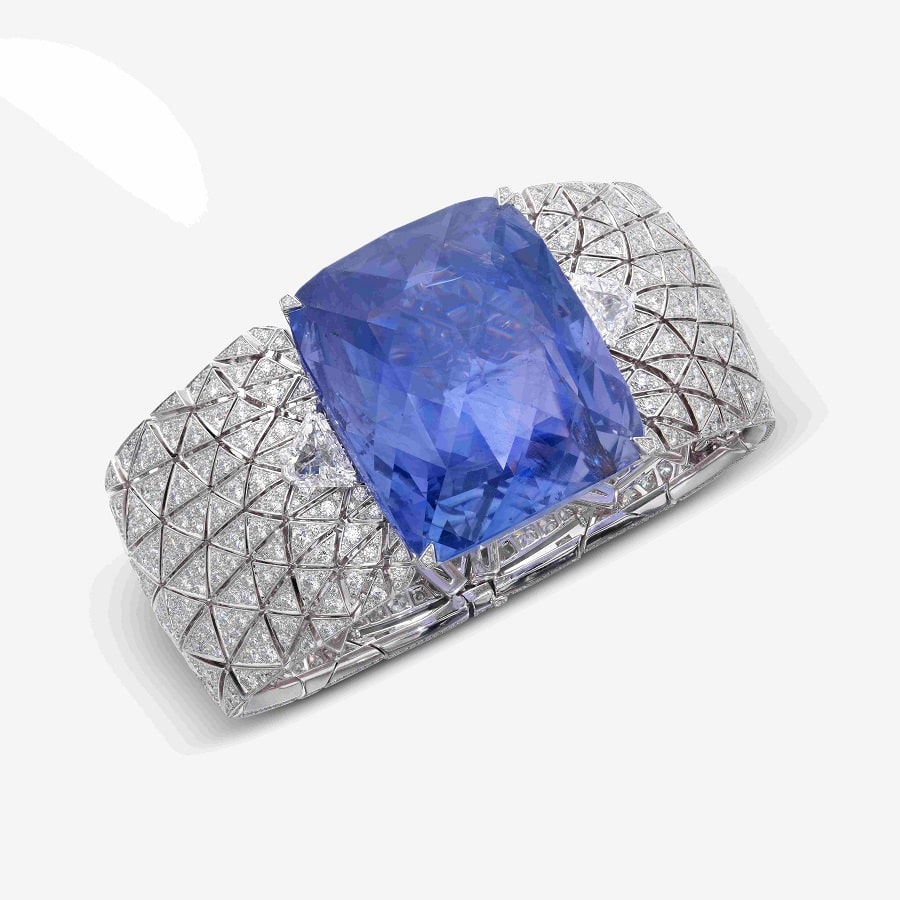
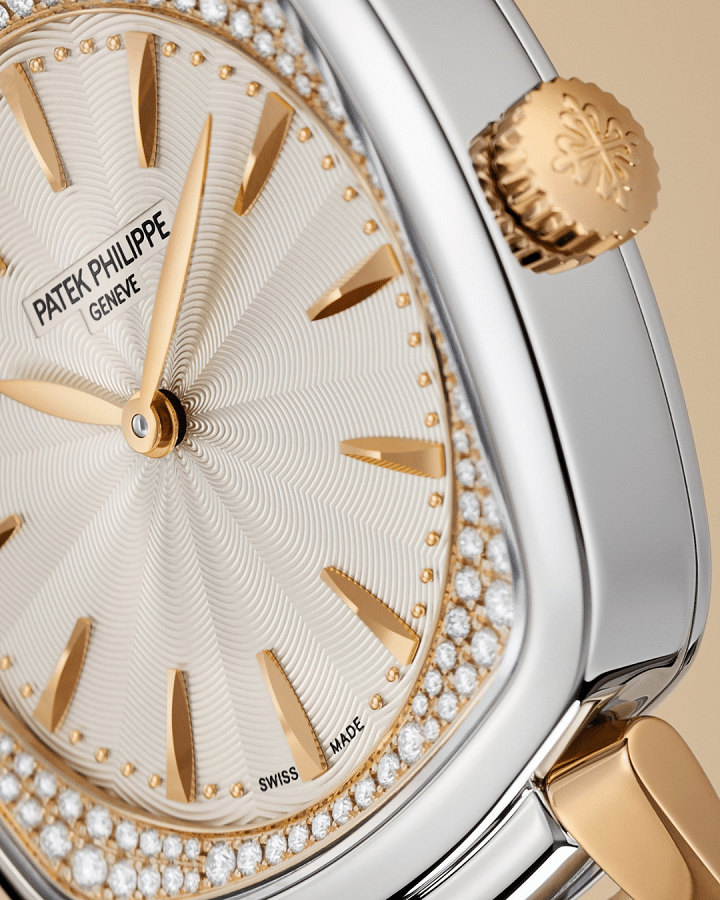
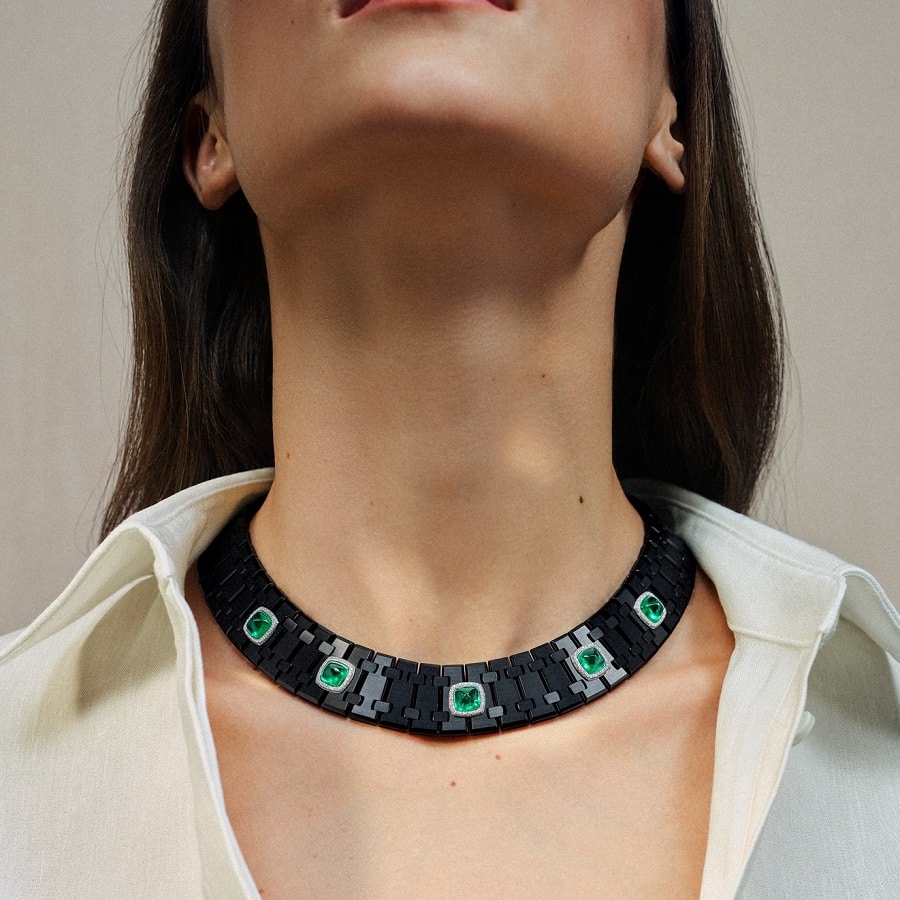
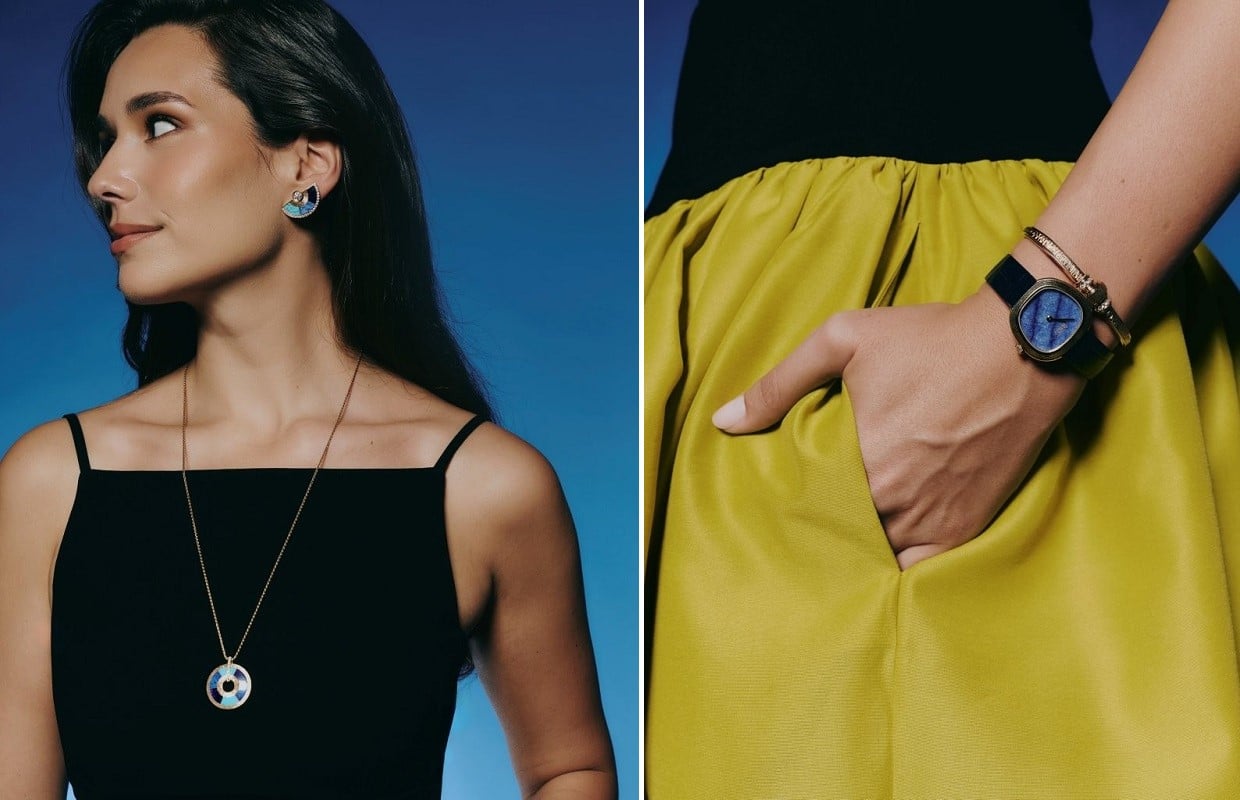
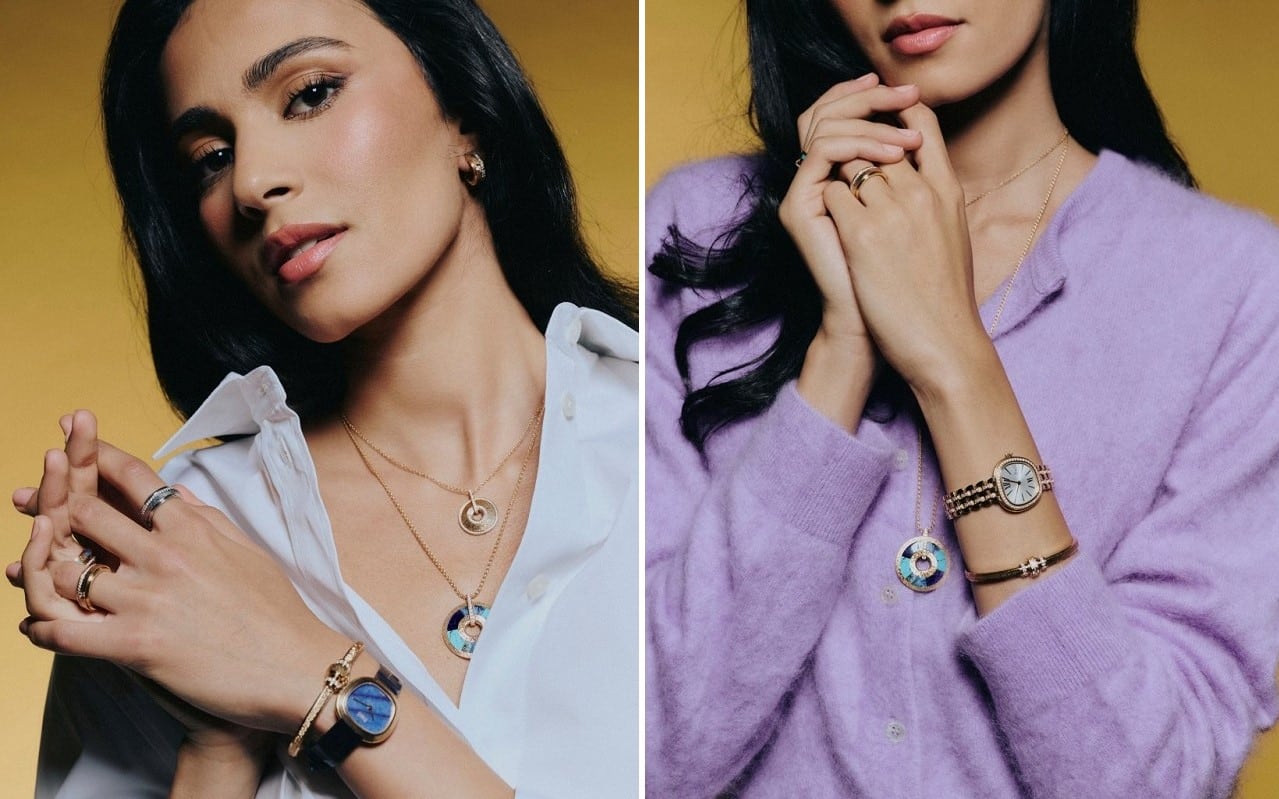
And then there are the jewels. The Sixtie watch takes its character from an unconventional, graphic silhouette, bringing a distinctly vintage influence to the wrist. Possession Decor Palace explores the possibilities of textured gold, catching light across its sculptural surfaces, while Possession Vibrant Palace introduces colourful ornamental stones into the mix.
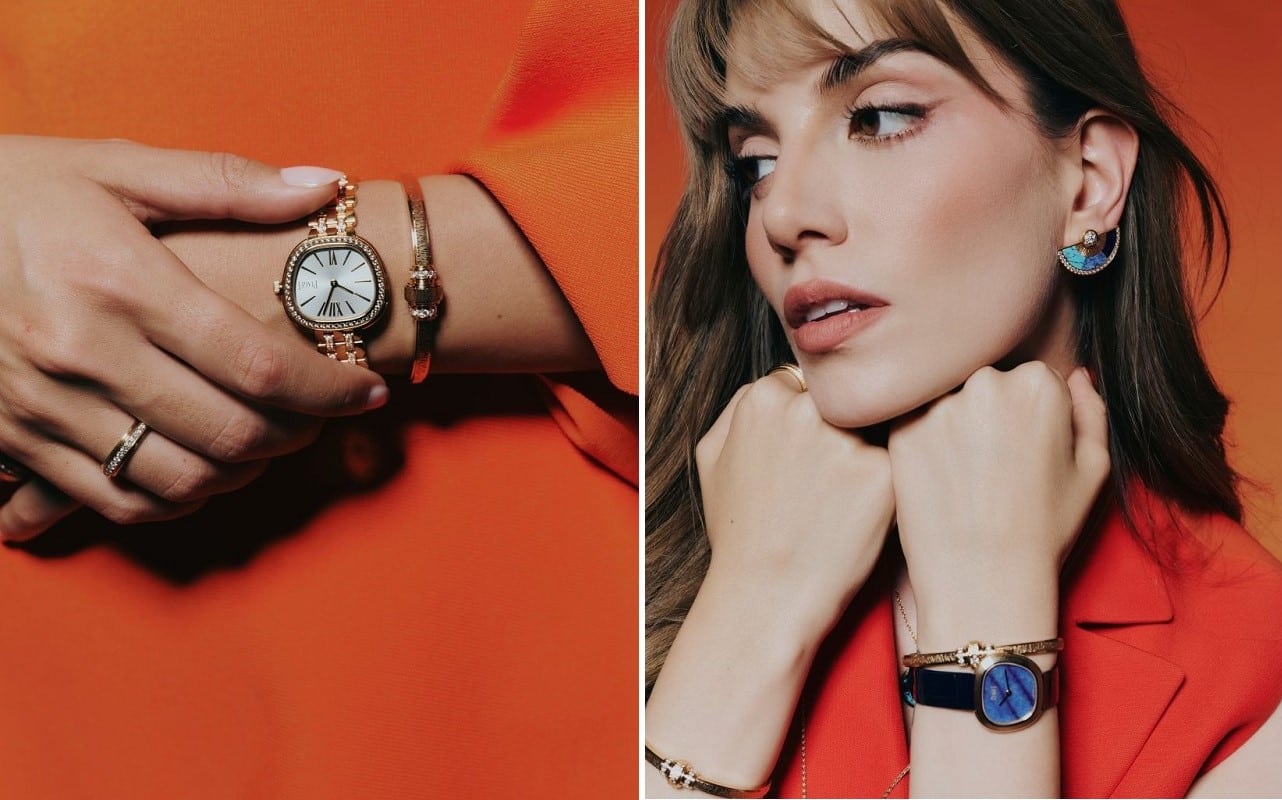
Images: Courtesy of Piaget
Together, the collections revisit four ideas central to Piaget: House of Gold, Art of Colour, Play of Shapes and Creative Movement. Rather than presenting a single way of wearing them, the campaign moves between the styles of its cast.
It is a well-judged cast. Their careers could hardly be more different, yet each has found a way to make an individual perspective part of her work. For Piaget, it is an opportunity to revisit the playful design language of the 1960s with a new generation of regional talent.