Displayed beside a life-sized Tyrannosaurus rex statue at Amsterdam’s Art Zoo
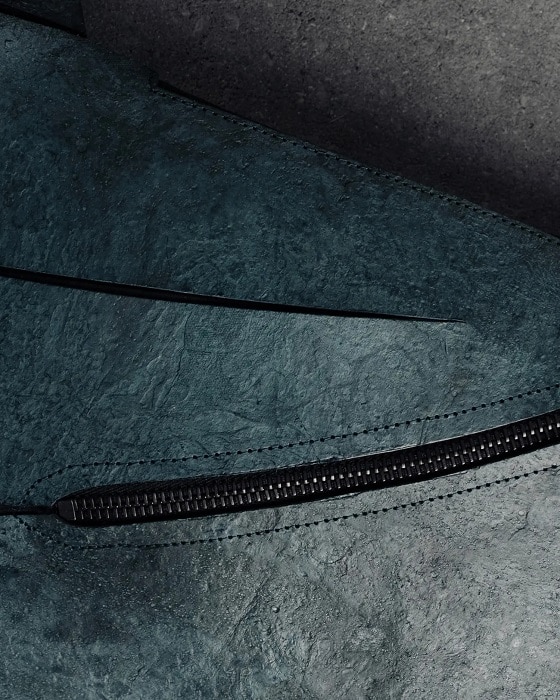
Museum in April 2026, the T-Rex Leather™ handbag is made from lab-grown collagen.
It took sixty-eight-million-year-old fossil fragments to produce this stunt, conceived by VML, the same agency behind 2023’s Mammoth Meatball. This time, VML partnered with biotech firms Lab-Grown Leather Ltd. and The Organoid Company. The bag itself was assembled by experimental fashion house Enfin Levé. It traveled from Amsterdam to a Paris auction house with estimates upward of $500,000.
Before the auction even opened, VML’s chief creative officer Bas Korsten had already set the bar: “What we’re saying is that it will sell for at least as much as ten Birkin bags.” In Paris, the bids stalled below $150,000, and went unsold. The gap between the estimate and the actual bidding is not why the handbag exists. The true stunt was stated plainly by Che Connon, the tissue engineer who co-founded Lab-Grown Leather Ltd.: the industry needed a sustainable, non-plastic alternative to leather, and building one from T-Rex collagen was, in his words, a way to put the company “on the map” and prove its cell-based platform could work. This mission is part of a larger conversation on the different ways the fashion industry is inventing sustainable alternatives to leather.
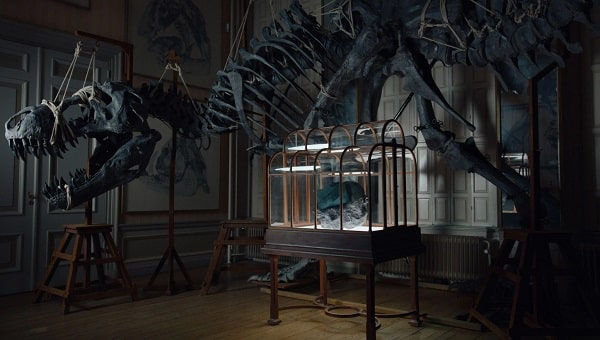
Image: Enfinleve Instagram
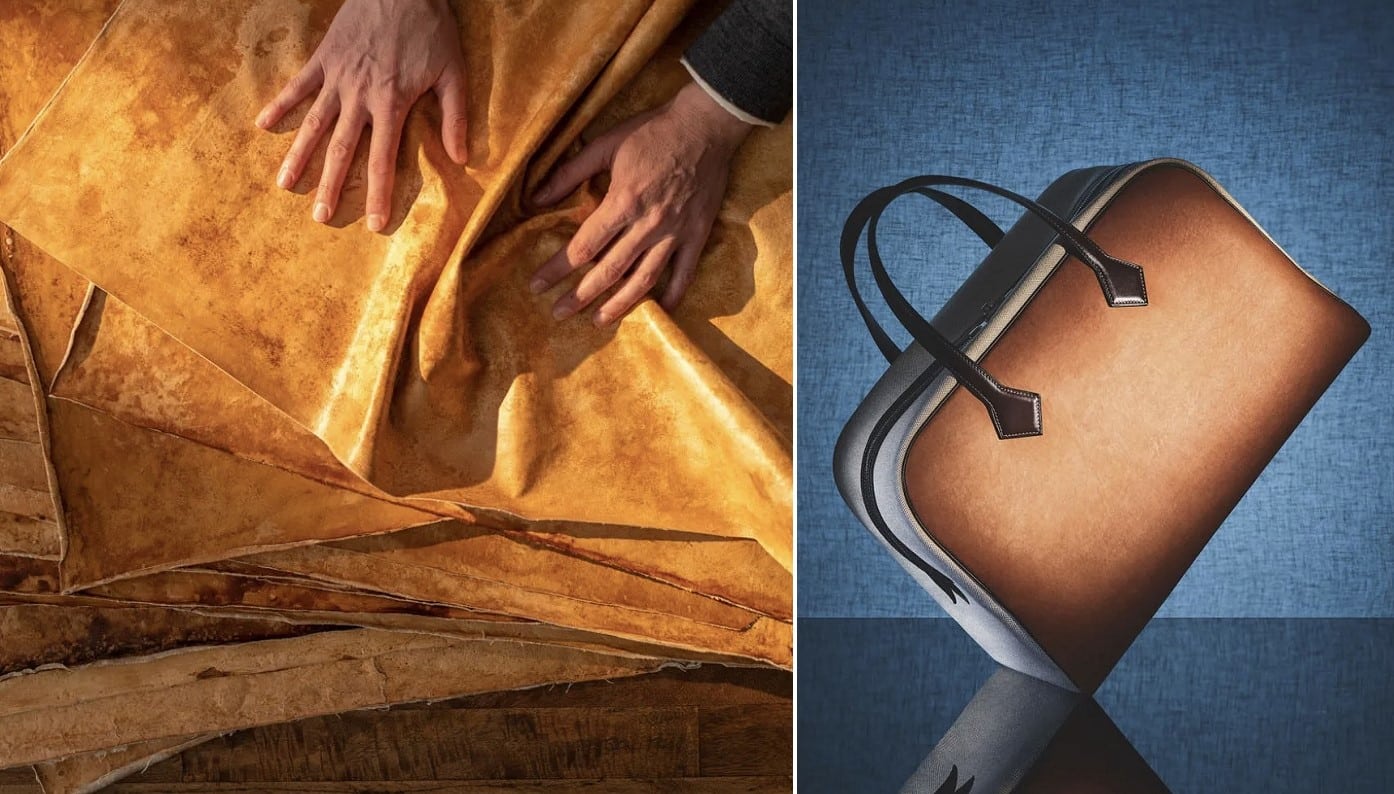
In 2021, Hermès partnered with California biotech company MycoWorks on Fine Mycelium technology to create Sylvania, an amber-hued material made using mycelium, the thread-like network fungi grow from. Sylvania debuted on the Hermès Victoria travel bag and was well received as proof that a fungal material could clear the strength, resistance, and colorfastness that luxury leather demands.
Images: MycoWorks.com
At Milan Design Week in April 2026, researchers from the Vrije Universiteit Brussel unveiled a boot made almost entirely from mycelium, including a load-bearing sole. Their partner on the project wasn’t a fashion brand but La Monnaie/De Munt, Belgium’s national opera house in Brussels, whose head shoemaker Marie De Ryck brought the artisanal shoemaking craft behind the theater’s own costume work to the project, part of what the opera calls its “Green Opera” sustainability strategy. The boot was the product of roughly two years of fungal-materials research paired with that traditional shoemaking craft, pushing mycelium past handbag panels into structural, weight-bearing footwear.
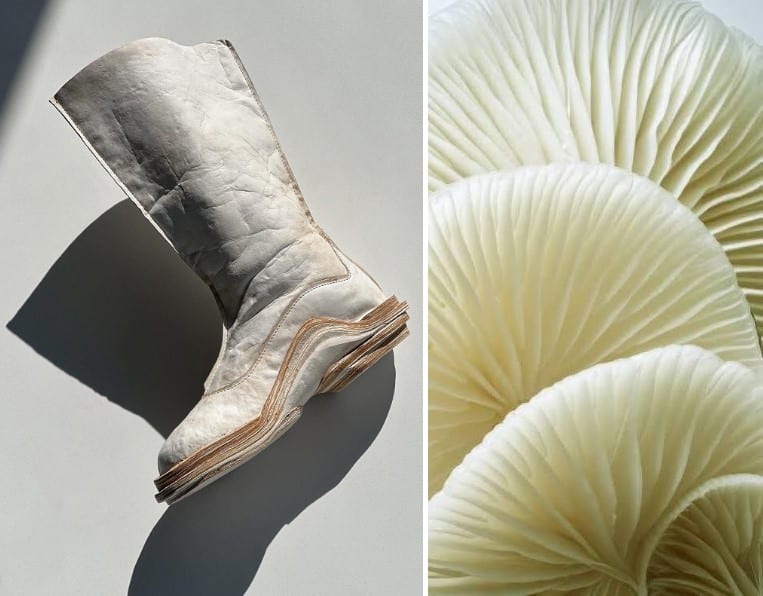
Image 1: La Monnaie Demunt Instagram, Image2: Pinterest
Mycelium isn’t the only biological source fashion has turned to for alternative leather. Modern Meadow works with plant protein instead of fungus, using its Bio-Alloy™ platform to produce Bio-Tex from non-GMO North American soy. In 2023, Tory Burch relaunched its Ella tote as the Ella Bio using the material. Jennifer Gootman, Tory Burch’s global head of sustainability and ESG strategy, said it “feels and looks like leather but is made from 64% USDA-certified bio-based content,” calling it “a great example of a growing movement towards ‘next-gen’ materials that take inspiration from nature but are engineered to have a lower environmental impact.”
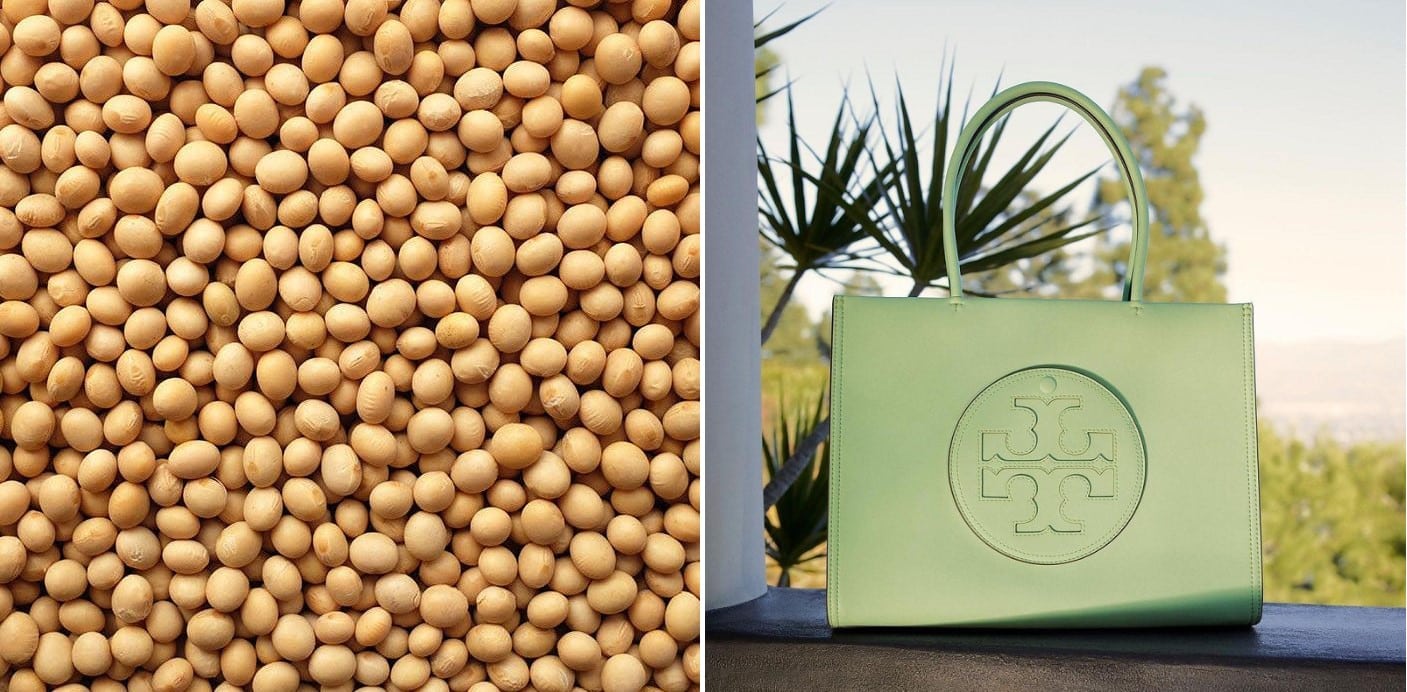
Image1: Tory Burch Instagram, Image2: Pinterest
Italy’s wine industry has its own waste-stream material. Vegea, founded in Milan in 2016, turns leftover grape skins, stalks, and seeds into a plant-based leather.
GrapeSkin® won the H&M Foundation’s Global Change Award in 2017, showed up on Marni’s runway in early 2020, and appeared in H&M’s Conscious Exclusive collection later that year. Since then, Bentley has used it for car interiors, Calvin Klein has released sneakers made from it, and it’s turned up in collaborations with Diadora and Good News.
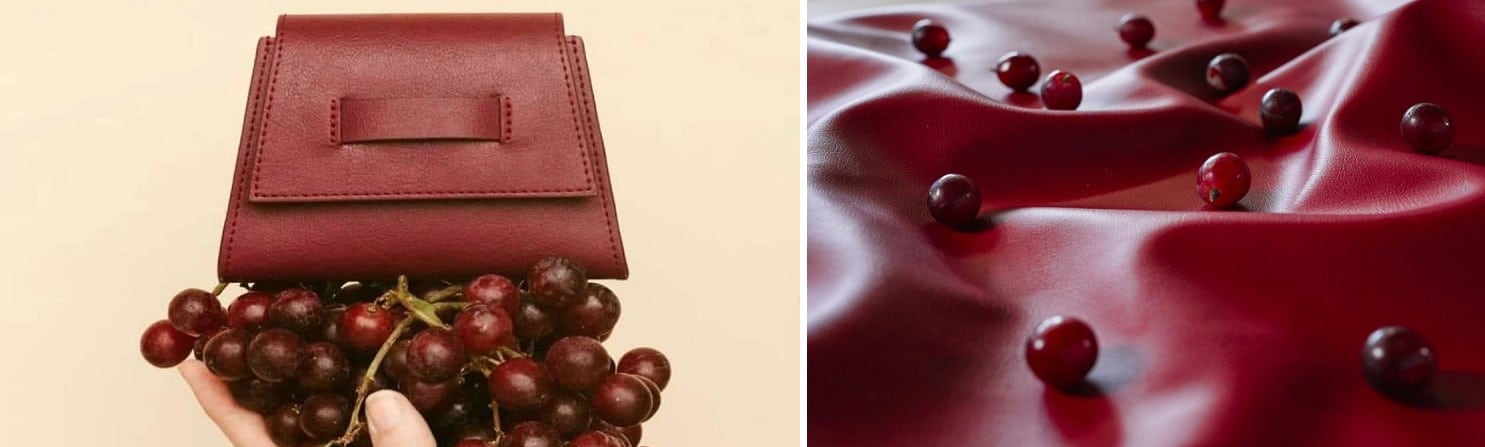
Images: VegeaCompany.com
The landscape of biotech isn’t confined to leather. AMSilk works from an entirely different biological starting point: spider silk. The German biotech company produces silk proteins through precision fermentation, converting them into filaments compatible with standard textile processes. Its bioengineered yarns debuted in Balenciaga‘s Spring 2026 ready-to-wear collection, then reappeared that August in an evening gown for creative director Pierpaolo Piccioli’s debut couture collection for the house.
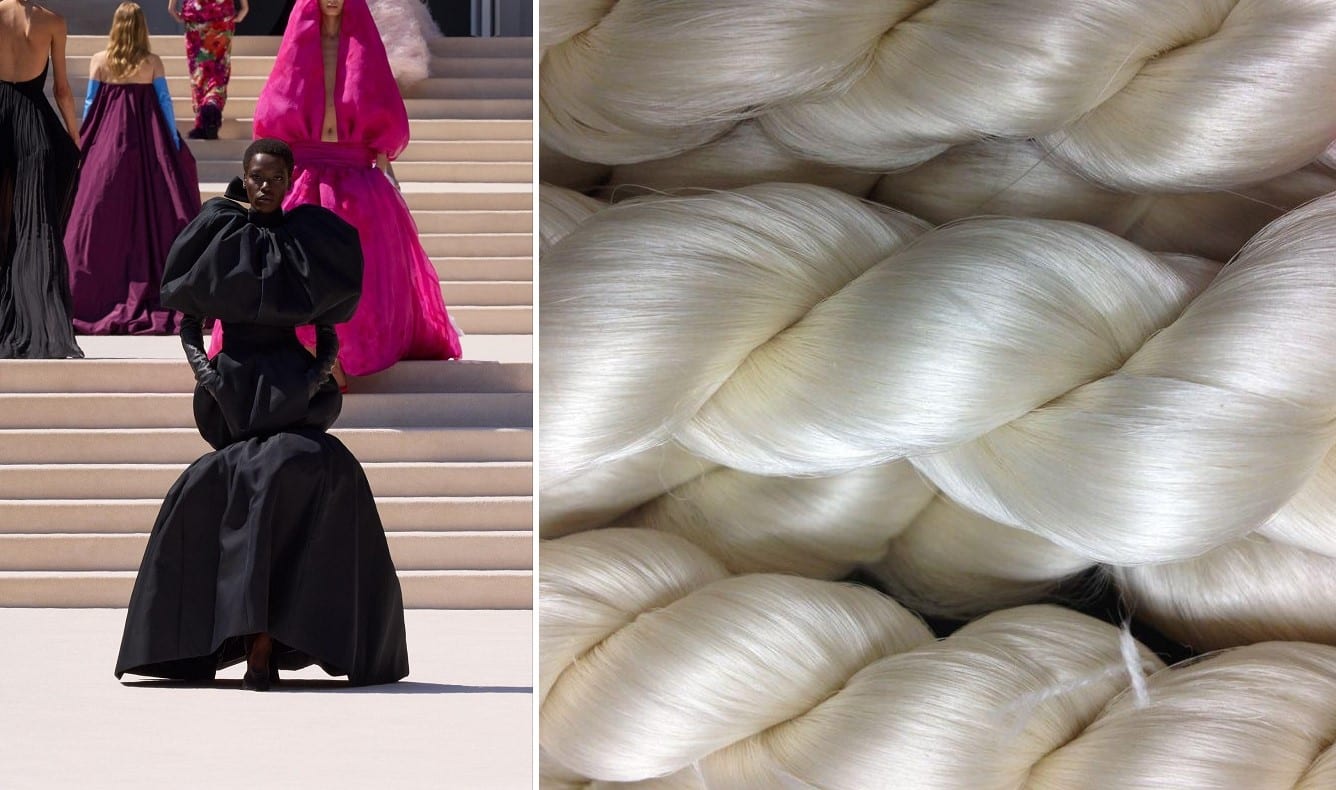
Image 1: Balenciaga.com, image2: Pinterest
Desserto skips biology-through-fermentation altogether, deriving its material from prickly pear cactus leaves, dried and processed without herbicides, pesticides, or irrigation.
Karl Lagerfeld partnered with the Mexican startup for two capsule collections with model Amber Valletta, in the spring of 2021 and again in April 2022, donating a portion of profits from the K/Kushion bag to The Ocean Cleanup.
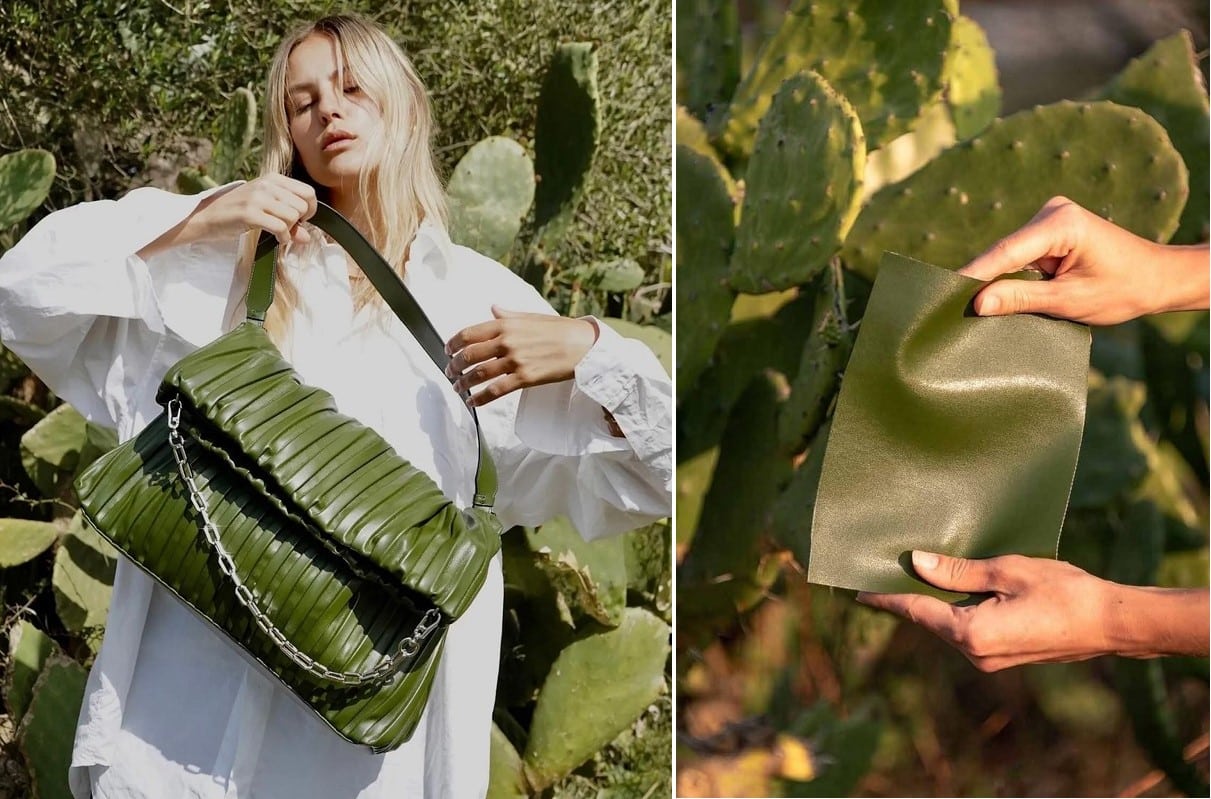
Image1: Karl Lagerfel Instagram, Image2: Pinterest
Not every alternative comes from a lab. Piñatex, developed by Spanish designer Carmen Hijosa from waste pineapple leaf fibers in the Philippines, was first shown with shoe brand Camper in 2014. It’s since been worked into products by Nike, Hugo Boss, and H&M, and appeared as a $2,300 gold boater hat on Chanel’s pre-fall 2019 runway, part of the house’s move away from exotic animal skins.
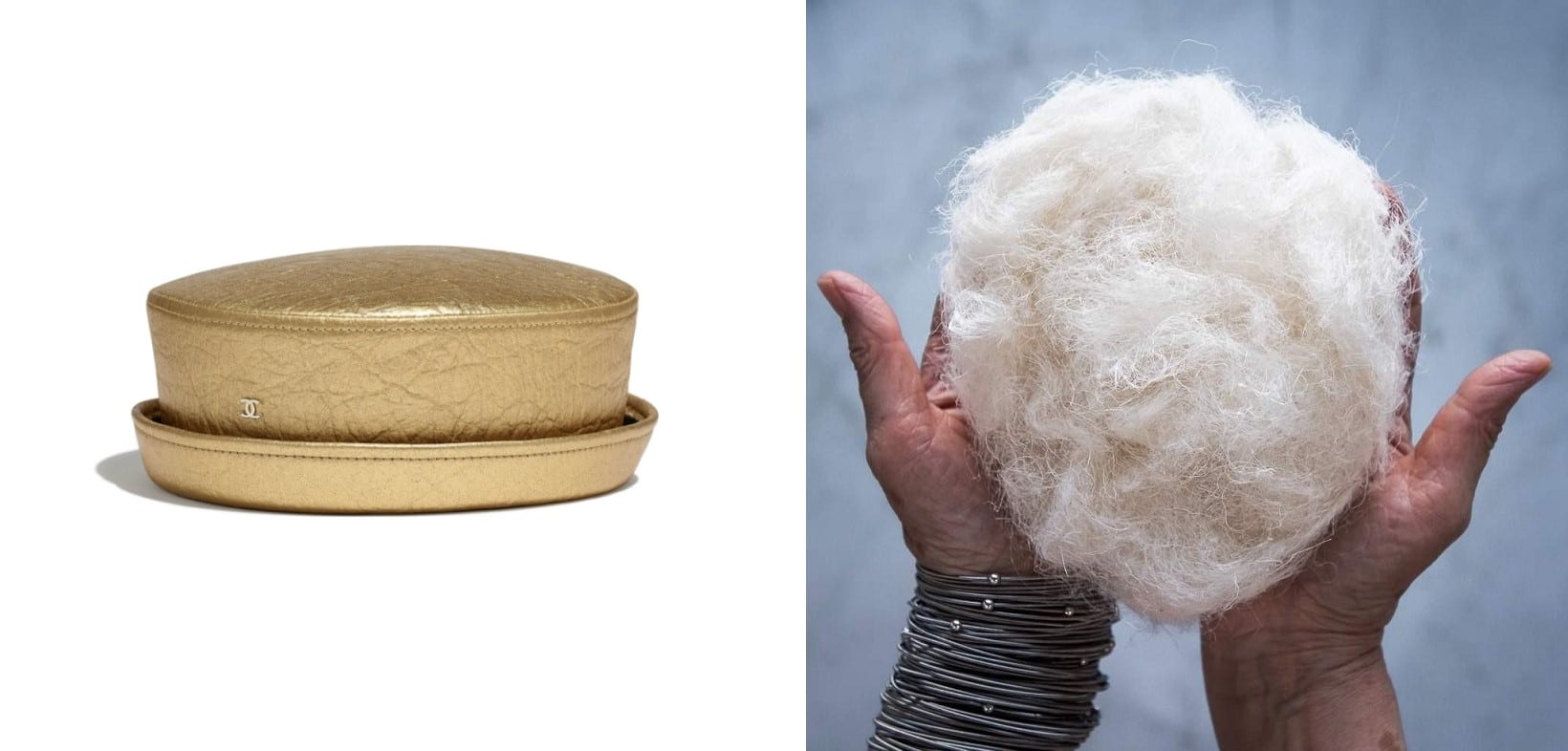
Image1: Chanel @WWD, Image2: Piñatex
The T-Rex bag made headlines. But fashion’s next sustainable material doesn’t need sixty-eight million years to dig up: mushrooms, soy, cactus, wine waste, pineapple leaves, and spider silk are already doing the work. It’s the same proof of concept the T-Rex stunt set out to find: a sustainable, non-plastic alternative to leather that actually works. Hermès, Tory Burch, and Balenciaga are already using these leather alternatives, no excavation required.