When buying a luxury bag or coat, we recognise the brand and feel the material, but most of the journey before the piece reaches the store remains out of sight. Where did its materials come from? How was it made? What happens if it needs repairing? Digital product passports aim to bring these details closer to the customer, through a QR code or a small chip read by a smartphone.
What appears on screen varies between brands: information about materials and origins, a certificate of authenticity, or care instructions and after-sales services. Having a digital passport does not necessarily mean a product’s entire history is available.
From Material to Screen
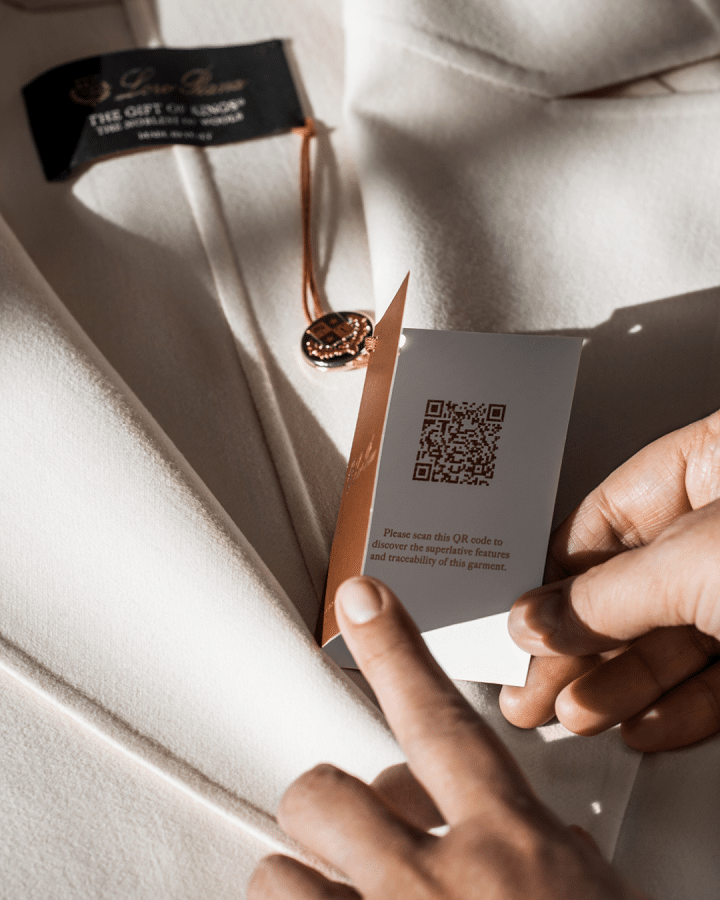
Loro Piana’s The Gift of Kings collection offers one example. Through a digital certification service developed with Aura Blockchain Consortium, customers can scan a QR code to learn about a garment’s authenticity, composition and journey from farm to store.

Image: Loro Piana
For a house known for the exceptional quality of its wool, these details offer another way to appreciate what goes into a piece. The Gift of Kings wool comes from selected Merino flocks in Australia and New Zealand, before being processed by Loro Piana’s artisans and partners in Italy. Understanding this journey adds another dimension to the garment, beyond its appearance and feel.
But knowing where a material comes from does not answer every question about its production or environmental impact. The value of a digital passport still depends on the information it provides and how that information has been verified.
Value After the Purchase
A passport’s usefulness may become clearer after a piece leaves the store. Coachtopia, Coach’s line focused on circular design, uses digital passports that contain material and design information and can record events such as repairs, trade-ins or recycling.
In September 2024, Coachtopia, EON and resale platform Poshmark announced a partnership to simplify resale in the United States through products’ digital identities. Owners can generate a pre-filled listing using information already connected to their piece, making the process of selling it easier.
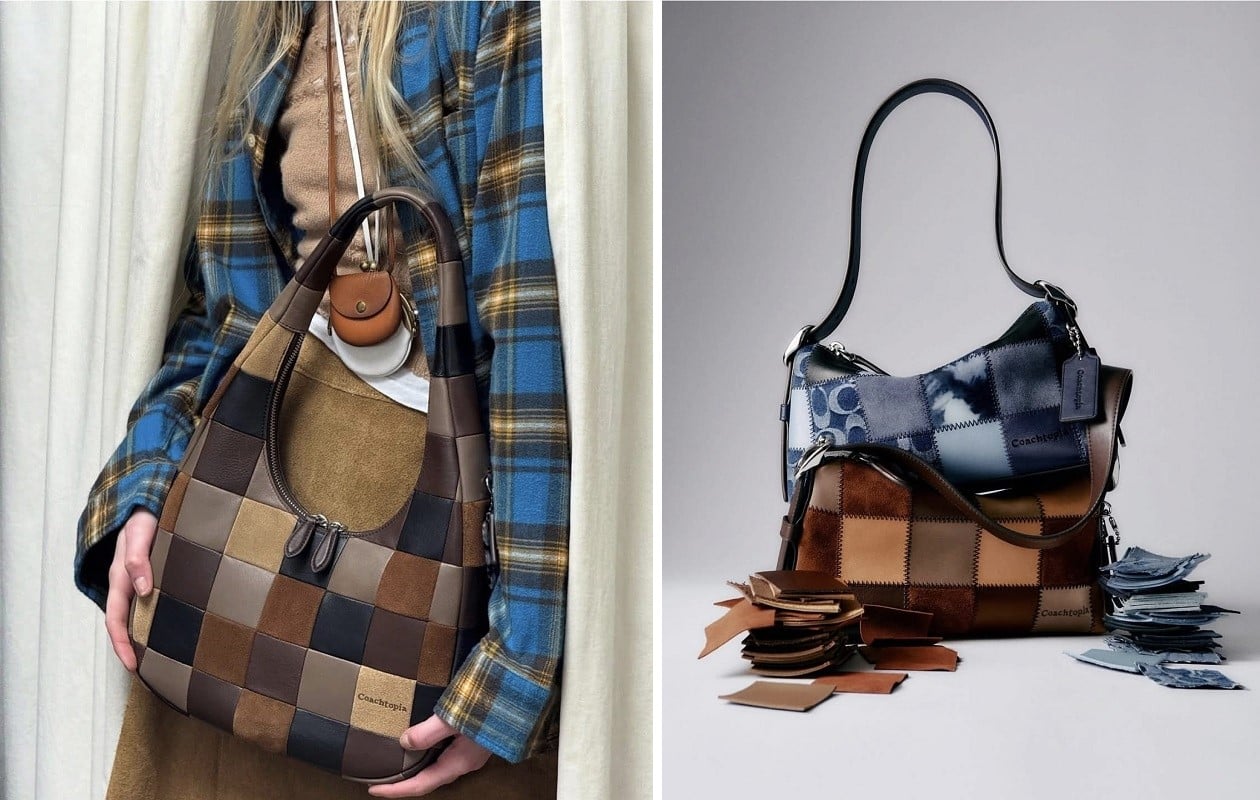
Images: Coachtopia Instagram
For the next buyer, however, the product’s current condition remains important. A digital record can identify a bag and its materials, but it cannot replace recent photographs or an accurate description of how the piece has been worn. The passport offers useful information, while the physical condition tells another part of the story.
What About Regulation?
Digital product passports are also part of a wider European effort to improve product transparency and support repair, reuse and recycling.
Under the EU’s Ecodesign for Sustainable Products Regulation, detailed rules for textiles are planned for adoption in the final quarter of 2027. The timeline may change, and this is not a deadline requiring every garment to carry a digital passport.
Does It Actually Build Trust?
These initiatives show what digital passports can offer, but they do not necessarily tell us whether customers trust brands more because of them. Someone might purchase a piece without ever scanning its code, only to return to it months later when arranging a repair or considering resale.
Perhaps the more important question is what happens after we scan. Is the information clear? Can it be verified? Does it help us look after what we own and keep it for longer?
A QR code will not automatically earn a brand our trust. But it may give us clearer reasons to trust it when the information is reliable and the services remain useful long after we leave the store.