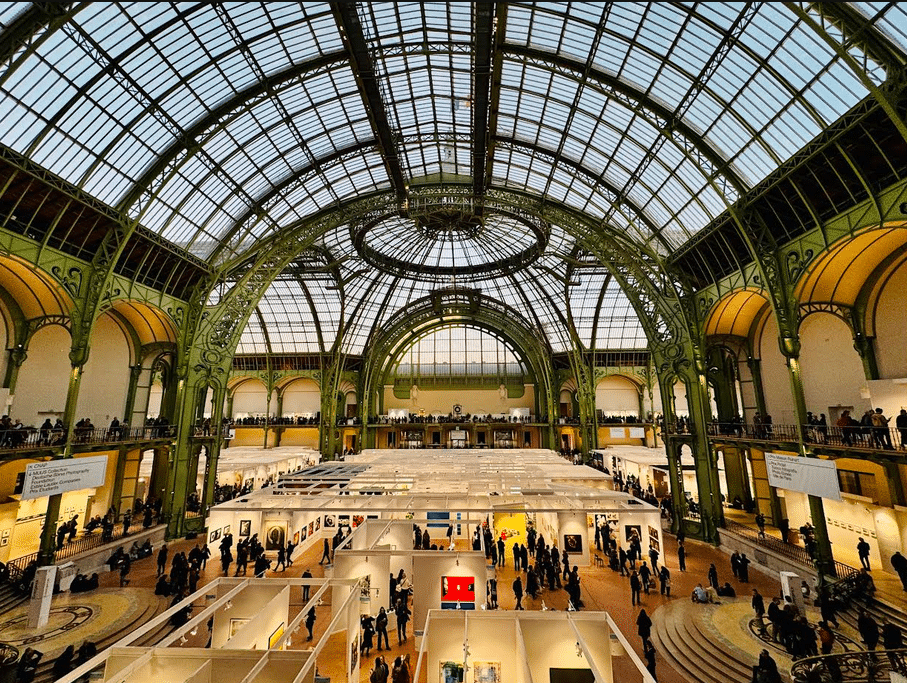
To mark the bicentenary of photography’s invention, the Pinault Collection presents Remember Me at the Bourse de Commerce in Paris.
Drawn from François Pinault’s holdings of over 8,000 photographic prints, the exhibition brings together some 700 works by more than 70 artists, from nineteenth-century pioneers such as Gustave Le Gray to Cindy Sherman and Wolfgang Tillmans.
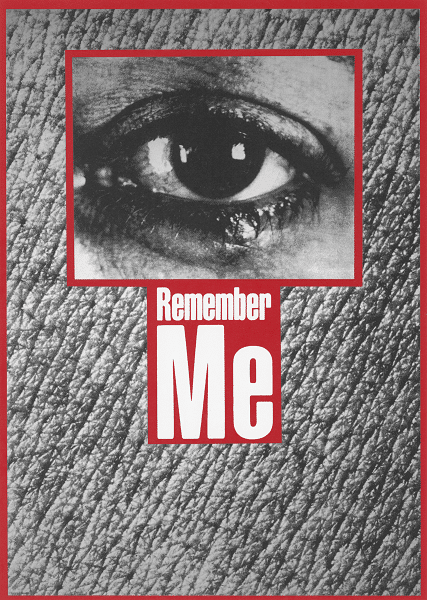
Barbara Kruger, Untitled (Remember me) (1988/2020), Courtesy of Bourse de Commerce – Pinault Collection
The title comes from Barbara Kruger’s Untitled (Remember me) (1988/2020). A close-up of an eye fills an LED screen, accompanied by industrial music. What begins with “Remember me” soon turns confrontational, as the words change to “Dismember me” and “Delete me”.
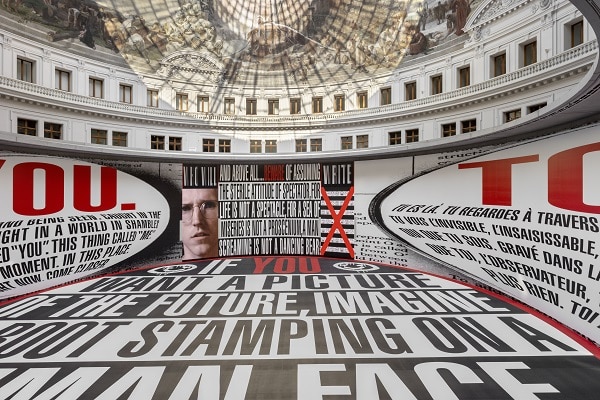
Barbara Kruger, The History of Tears, Courtesy of Bourse de Commerce – Pinault Collection
In the Rotunda, Kruger’s The History of Tears fills Tadao Ando’s architecture with words and moving images, including quotations from George Orwell and Aimé Césaire. Kruger describes tears as “a fountain of loss and fear. But also of power, pleasure, desire and disgust.”
After encountering her work on such a scale, it is difficult to look at the photographs that follow quite as before. Some are beautiful, others difficult to confront. Kruger’s questions about power and memory remain present throughout.
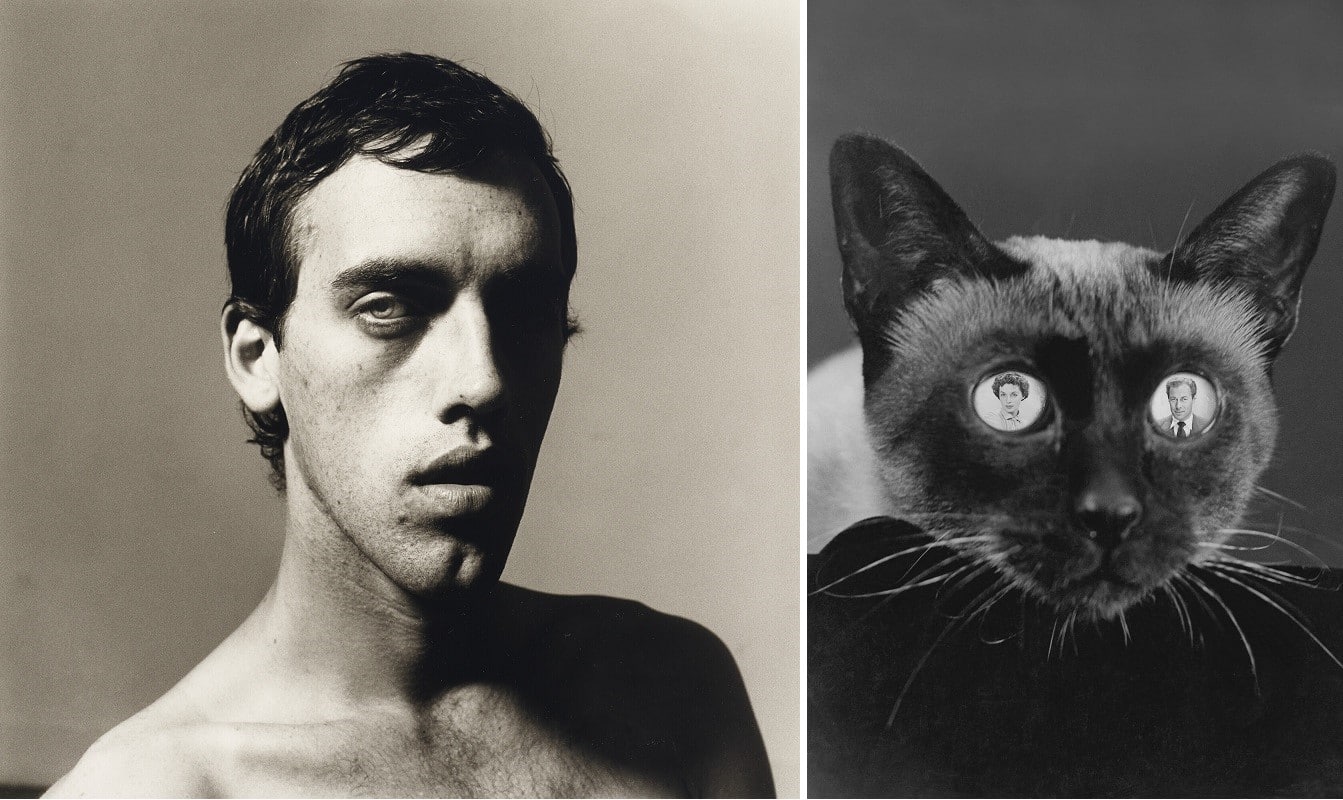
(Left) Peter Hujar, David Wojnarowicz, 1981, Courtesy of Bourse de Commerce – Pinault Collection
(Right) Erwin Blumenfeld, Rex Harrison and Lilli Palmer Superimposed on the Eyes of a Siamese Cat, 1950, Courtesy of Bourse de Commerce – Pinault Collection
For curator Matthieu Humery, photography preserves people and places long after they have disappeared. Yet photographs also need to be seen to remain in memory. His non-chronological arrangement draws on different periods of photography and Pinault’s personal interests as a collector.
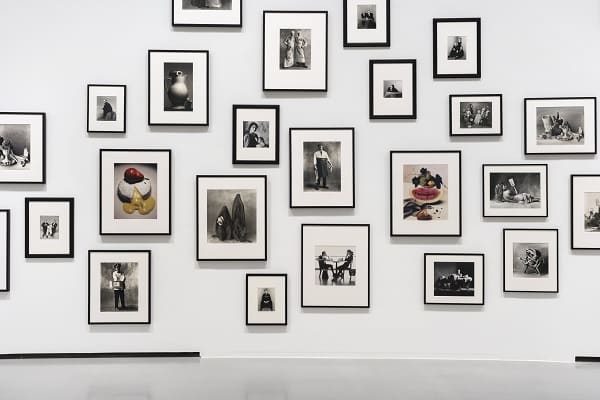
Le monde selon Penn, Courtesy of Bourse de Commerce – Pinault Collection
Nearly 450 photographs by Irving Penn form the exhibition’s largest presentation, Le monde selon Penn. Fashion portraits appear alongside studies of tradespeople and still lifes of cheese, half-eaten bread and watermelon. Penn approached these very different subjects with the same attention to form and detail.
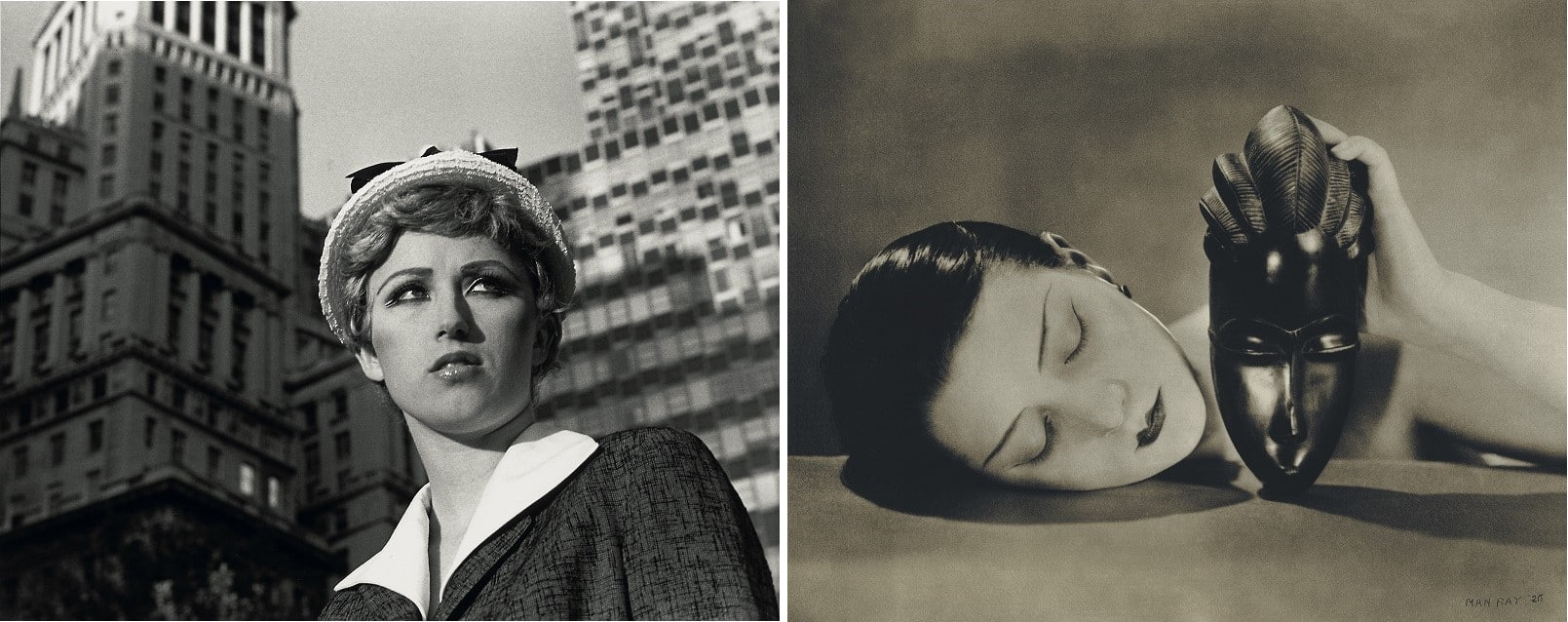
(Left) Cindy Sherman, Untitled Film Still #21, 1978 Courtesy of Bourse de Commerce – Pinault Collection
(Right) Man Ray, Noire et blanche, 1926. Courtesy of Bourse de Commerce – Pinault Collection
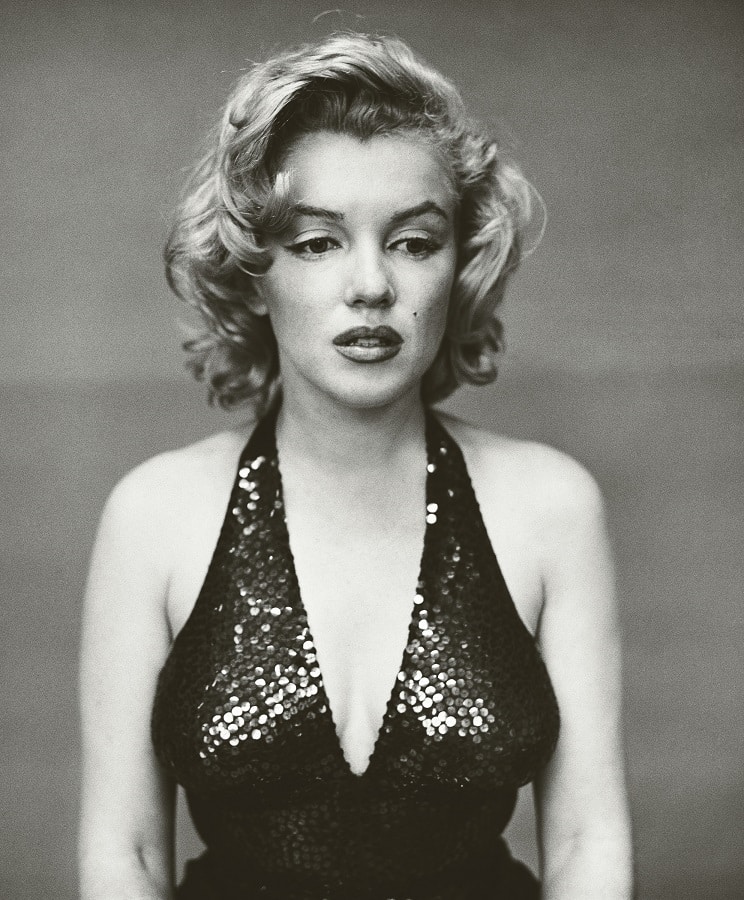
Elsewhere, familiar faces reveal less familiar aspects of portraiture. Richard Avedon’s 1957 photograph of Marilyn Monroe captures the actress with a withdrawn expression, far removed from her glamorous public image. Cindy Sherman’s staged identities complicate the distinction between the subject and the character being photographed. In Man Ray’s Noire et blanche (1926), the closed eyes of Kiki de Montparnasse appear alongside an African mask. The carefully arranged composition is striking, though its juxtaposition also invites scrutiny of the European fascination with African art during the colonial era.
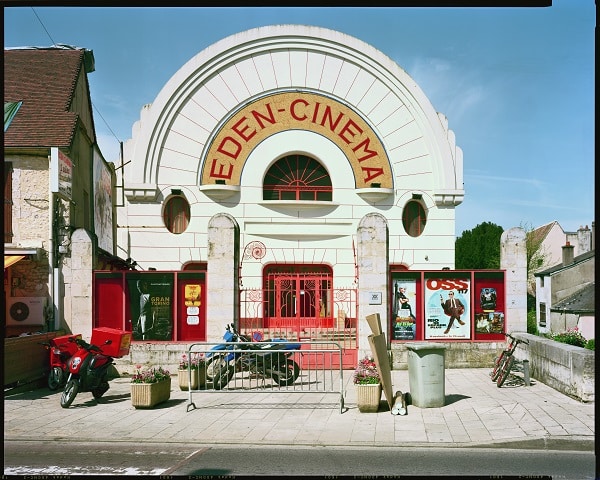
Raymond Depardon, Cosne-Cours-sur-Loire, Nièvre, 2009, Courtesy of Bourse de Commerce – Pinault Collection
Raymond Depardon’s La France offers a different perspective. His photographs of provincial shops, houses and streets record a country rarely celebrated in conventional imagery. There is humour in these observations, as well as a critical eye. What once appeared entirely ordinary may now seem unfamiliar.
The exhibition ends with Man Ray’s Ma dernière photographie (1929), a black rectangle painted on cardboard. Its title means “My Last Photograph”, although it is a painting. After hundreds of faces, landscapes and objects, there is nothing left to recognise.