From Marrakech to Paris, these seven houses offer a different kind of cultural journey: one shaped by rooms, gardens and the people who once moved through them.
Villa Oasis, Marrakech
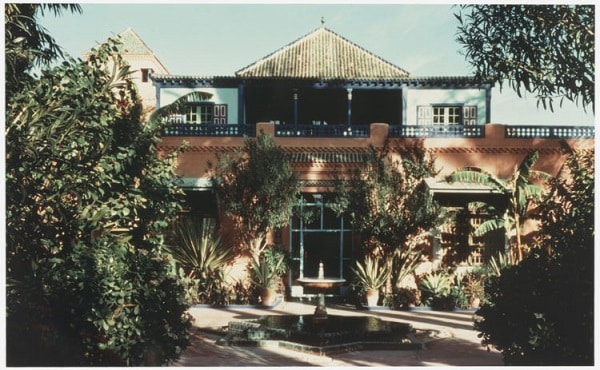
Image: Façade of the Villa Oasis, Marrakech.© Droits Réservés
Yves Saint Laurent and Pierre Bergé acquired the Jardin Majorelle and its adjoining villa in 1980, saving the garden from a proposed development. Villa Oasis became part of the private world they created in Marrakech, where architecture and planting offered a retreat from the demands of fashion.
The distinction for travellers is that the villa’s private garden is open to visitors, while the house itself is not part of an ordinary garden ticket. Even from outside, Villa Oasis changes the way one sees the better-known Jardin Majorelle: this was a place its owners returned to and lived alongside, as well as an extraordinary visual composition. Anyone hoping to photograph or enter the interiors should arrange access in advance.
Sursock Museum, Beirut
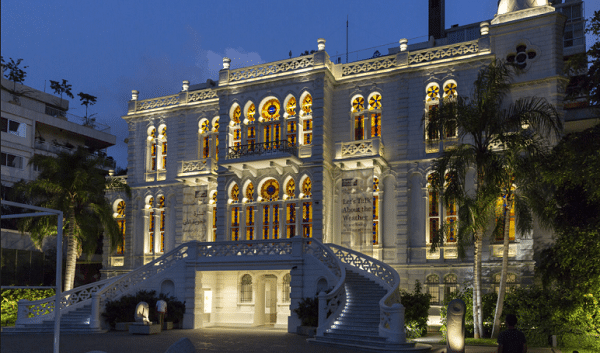
Image: Sursock Museum
Nicolas Sursock’s former mansion in Achrafieh has long since become a public art museum, but its history as a home remains legible. The Arab Salon was once its main reception room. Venetian and Ottoman elements share the space with carved wooden panels brought from Damascus, suggesting the tastes and encounters that shaped the collector’s world.
To visit is to see more than a collection installed in a handsome building. The house offers a glimpse of Beirut’s social life through the rooms in which Sursock received guests. Its present role gives that private history a public future.
Gayer-Anderson Museum, Cairo
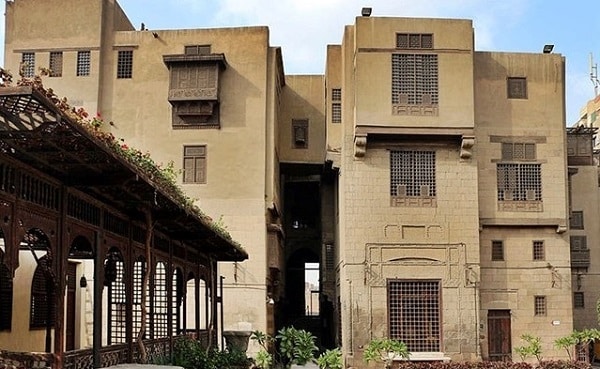
Image: Egypt Ministry of Tourism and Antiquities
Beside the Mosque of Ibn Tulun, the Gayer-Anderson Museum occupies two connected Ottoman houses built in different centuries. British collector Gayer Anderson lived there from the 1930s, furnishing the rooms with objects he gathered from Egypt and elsewhere in Asia. When he left in 1942, the houses and their contents passed into public care.
Anderson’s collection is only one layer of the visit. Earlier residents shaped these buildings long before his arrival; one house is still known as Bayt al-Kritliyya, the House of the Cretan Woman. Rather than presenting a single person’s perfect vision of a home, the museum lets several histories coexist within it.
Casa Luis Barragán, Mexico City
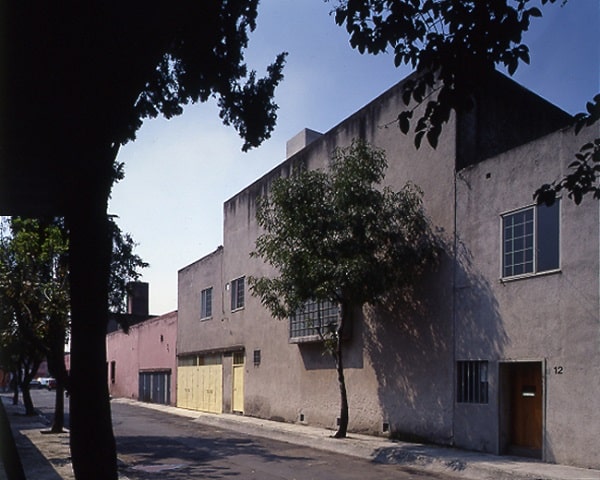
Image: CASA LUIS BARRAGÁN
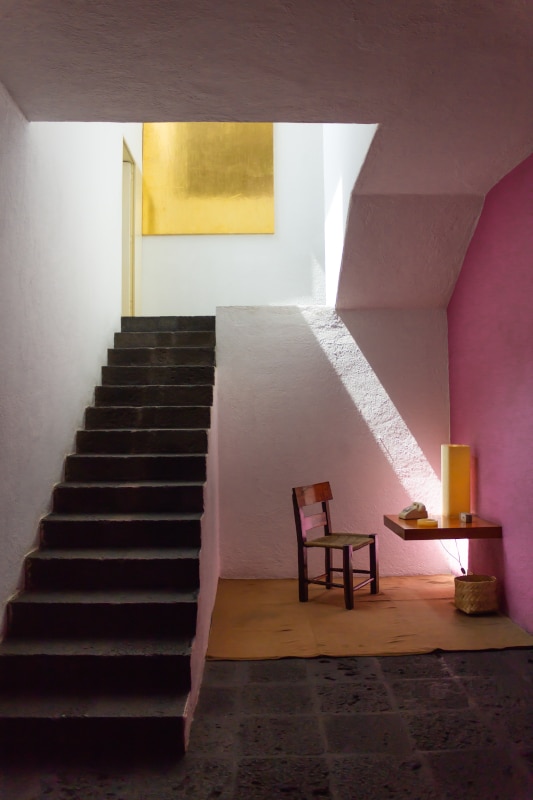
Luis Barragán’s home in Mexico City offers an unusually direct encounter with the architect’s thinking. Preserved as he inhabited it until his death in 1988, the house lets visitors experience its changing light, colour and proportions at the pace Barragán intended.
Its restraint can be deceptive. A wall, doorway or quiet corner becomes memorable because of what happens just beyond it. This is a place to experience in person rather than through even the most beautiful photographs. Tickets must be booked in advance.
Peggy Guggenheim Collection, Venice
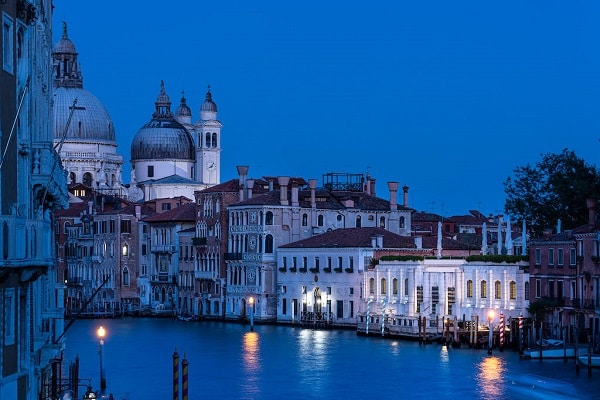
Image: Peggy Guggenheim Collection
In 1949, Peggy Guggenheim bought Palazzo Venier dei Leoni on the Grand Canal and made it her home for the next thirty years. She lived among her modern art collection and, from 1951, opened the palazzo to the public several afternoons a week during the warmer months.
That decision still defines a visit. The works have the stature of a major collection, yet the building recalls the woman who chose to live with them and invite others in. Venice supplies the dramatic setting; the domestic scale makes the art feel like part of a life rather than a sequence of masterpieces.
Leighton House, London
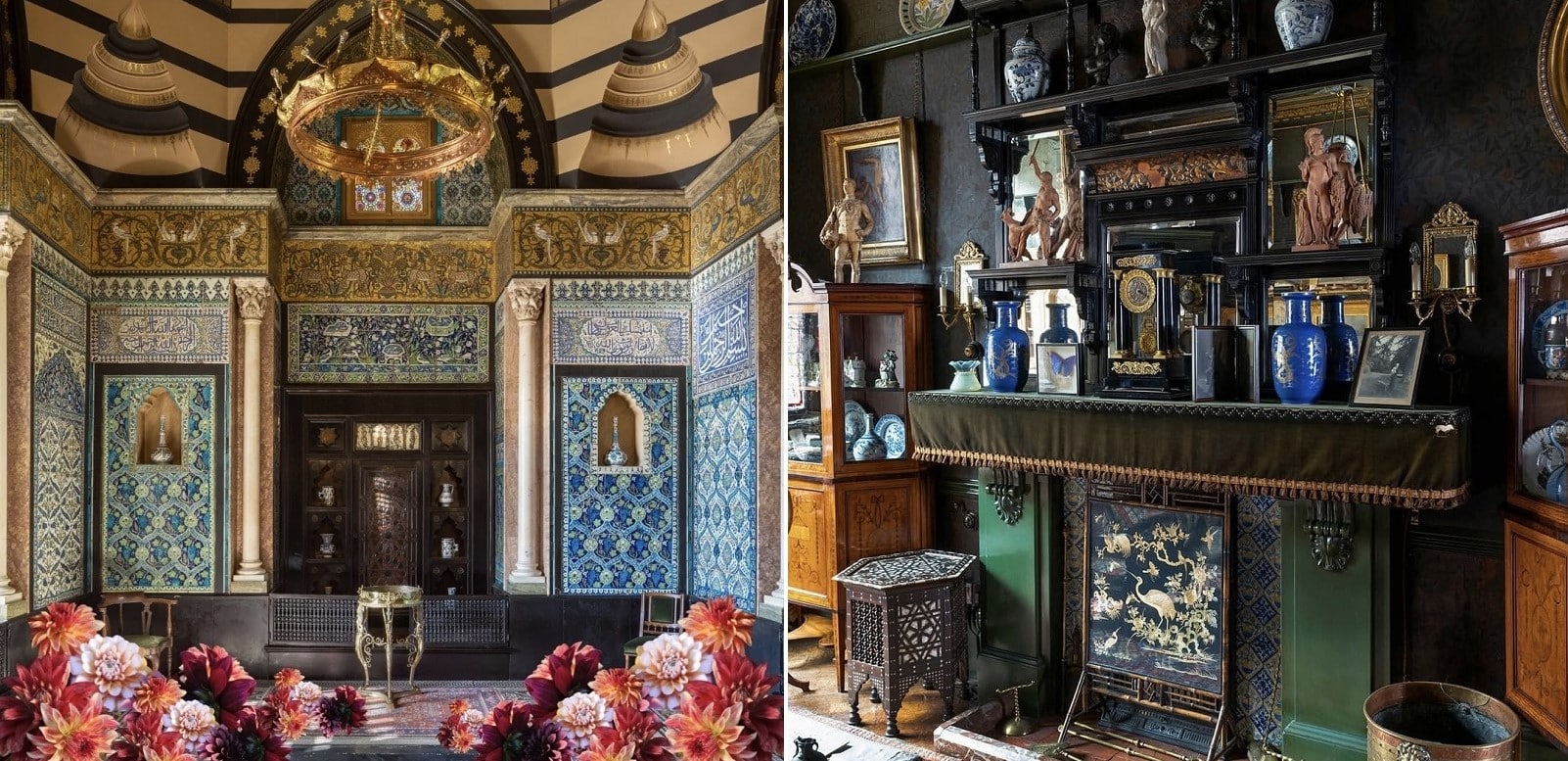
Images: leightonsambournemuseums Instagram
The former studio home of Victorian artist Frederic Leighton contains one of London’s most striking interiors: the Arab Hall. Created after Leighton’s travels through North Africa and the Middle East, it brings together Islamic, Mediterranean and Victorian craft traditions, with historic tiles from Damascus, Turkey and Iran.
It is also a room that invites questions about how objects travel and acquire new meanings in someone else’s home. A current programme at Leighton House examines the hall’s history and the origins of its tiles, adding a valuable perspective to its visual splendour. The result is a visit as much about collecting and interpretation as it is about beauty.
Musée Bourdelle, Paris
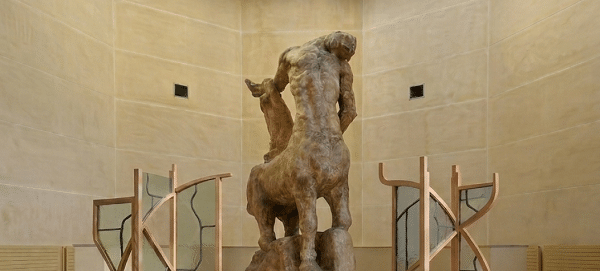
Image: Musee Bourdelle
In Montparnasse, the spaces associated with sculptor Antoine Bourdelle bring the act of making close to the visitor. His former workshop is the reason to linger: sculpture belongs here not simply as a finished object, but as something worked through in a room, with materials and tools close at hand.
The museum’s current presentation continues to use that setting to explore craft and design. It offers a fitting end to this journey through creative homes. After rooms arranged for guests and collections assembled for pleasure, Bourdelle’s studio returns us to the everyday labour behind art.
These places differ in what they preserve. Some remain close to the lives their owners led; others have changed considerably since opening to the public. What connects them is the chance to look beyond an artist’s signature or a collector’s celebrated acquisitions. In a home, taste becomes something lived with.