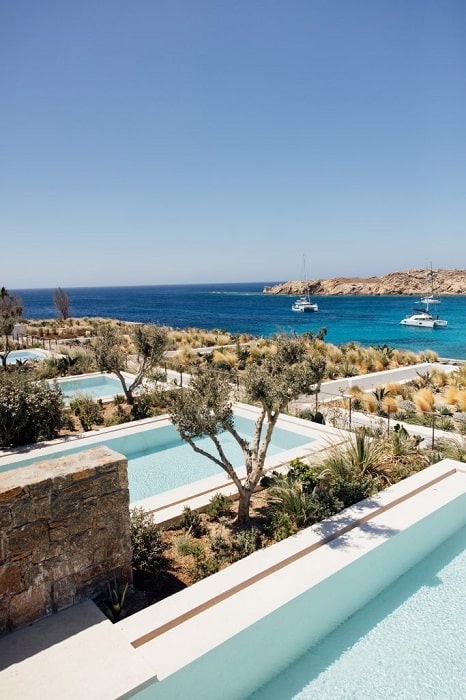
From the shores of Capri to the gardens of Marrakech and the banks of the Nile, some destinations have offered fashion’s most celebrated names far more than a summer escape. They have become sources of inspiration, leaving their mark on fashion collections and fragrances.
Across historic estates, Mediterranean islands and cities alive with art, travel memories have found their way into colours, silhouettes, prints and scents that have come to define some of the world’s most renowned fashion houses. But which places inspired these creations, and how did their distinctive character make its way from holiday retreats to the runway?
Places That Hold a Creative Legacy
Christian Dior: La Colle Noire Château, France
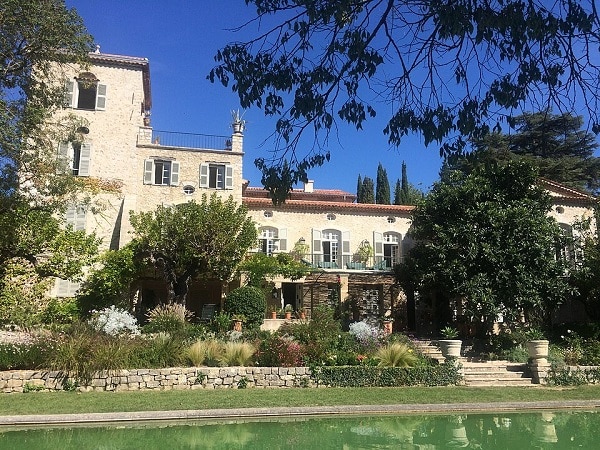
Image: wikipedia, Château de La Colle Noire, Montauroux, Francia
Beyond fashion, Christian Dior found in architecture and nature two passions as profound as his love of design. In his 1957 autobiography, he described architecture as his true hobby, referring to his couture creations as “ephemeral architecture, glorifying the proportions of the female body.” In October 1950, he purchased Château de La Colle Noire near Grasse in the South of France, transforming it into a countryside retreat whose restoration he personally oversaw. His attention extended beyond the château to the surrounding grounds, where he revived the land and cultivated fragrant flowers. Immersed in this landscape, Dior deepened his connection to perfumery, a passion associated with some of the house’s most celebrated fragrances, from Miss Dior to Diorissimo. Decades after his passing, the house reacquired the château in 2013 and restored it, preserving a legacy that brings together his love of architecture, fashion and fragrance.
Gabrielle Chanel: La Pausa, France
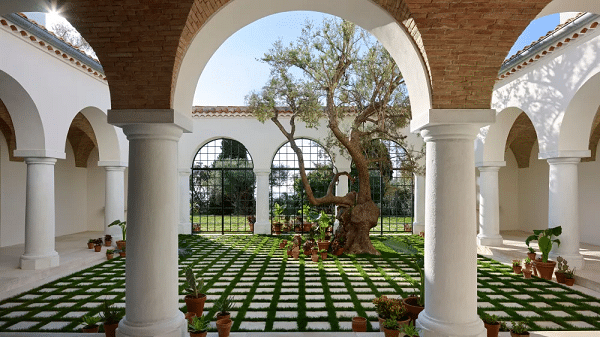
Image: WWD, Villa La Pausa, Roquebrune-Cap-Martin, Francia
Perched in the hills of Roquebrune-Cap-Martin, La Pausa was built in 1928 as the only residence Gabrielle Chanel designed entirely herself. A symbol of her independence, it offered a welcome escape from the bustle of Parisian life. Here, Chanel enjoyed some of her happiest moments, alternating between relaxation and entertaining the era’s leading creative figures. Among them was Salvador Dalí, who spent four months at the villa in 1938, producing several of his celebrated works. More than a summer residence, La Pausa embodied Chanel’s philosophy of elegance and freedom. Today, the villa remains a private residence, accessible by invitation only.
Yves Saint Laurent: Villa Oasis, Morocco
Images: PINTEREST, Villa Oasis, Marrakech, Marruecos
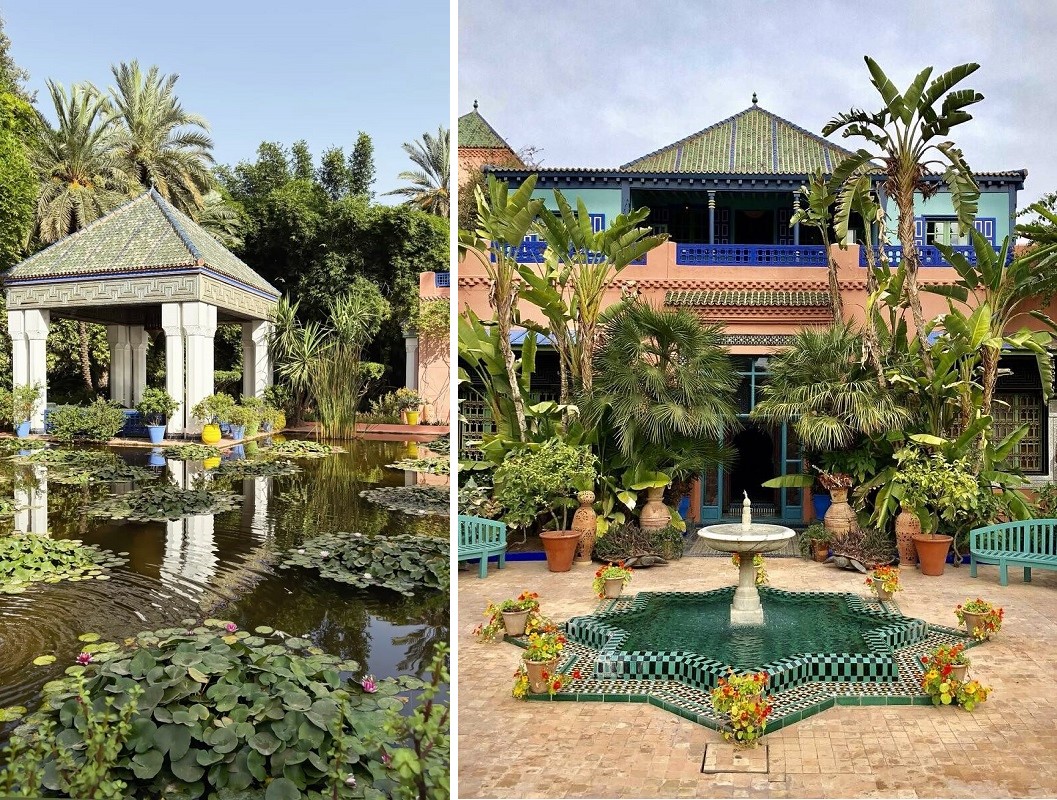
From his first visit to Marrakech in 1966, Yves Saint Laurent fell under the city’s spell. Its influence soon found its way into his collections, from the distinctive blue of Jardin Majorelle to silhouettes inspired by traditional Moroccan dress and artisanal embroidery. As his visits became more frequent, Villa Oasis evolved into a personal sanctuary where he spent extended periods of the year, drawing inspiration from his surroundings. That legacy continues to resonate within the house today, with Anthony Vaccarello choosing the villa as the setting for its Winter 2025 campaign. In 2017, the Musée Yves Saint Laurent Marrakech opened beside Jardin Majorelle in tribute to the designer’s extraordinary connection to the city, while Villa Oasis remained a private residence dedicated to preserving his legacy.
Emilio Pucci: Capri, Italy
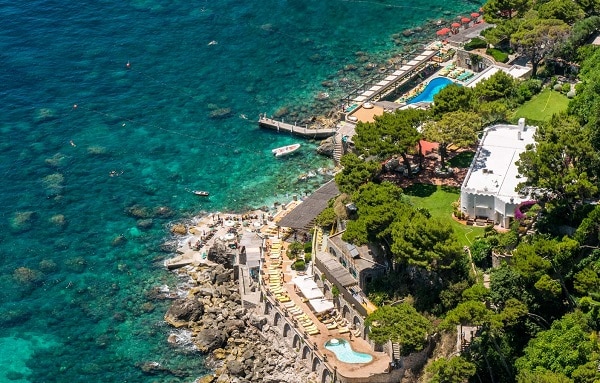
Image: La Canzone del Mare, Marina Piccola, Capri, Italia WEBSITE
La Canzone del Mare, Marina Piccola, Capri, Italia WEBSITE
The Italian island of Capri played a defining role in shaping Emilio Pucci’s vibrant design language. Between 1949 and 1950, he opened his first boutique at the iconic La Canzone del Mare beach club, initially specializing in swimwear. In 1954, he introduced the Piazzetta di Capri print, inspired by the island’s famous square. Over time, Capri’s colours and distinctive character became inseparable from the world of Pucci.
Pierre Cardin: Palais Bulles, France
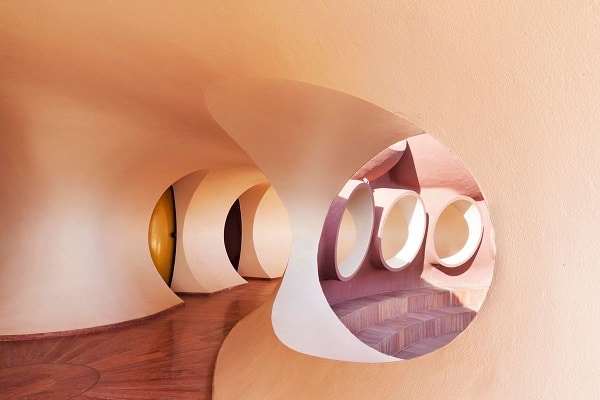
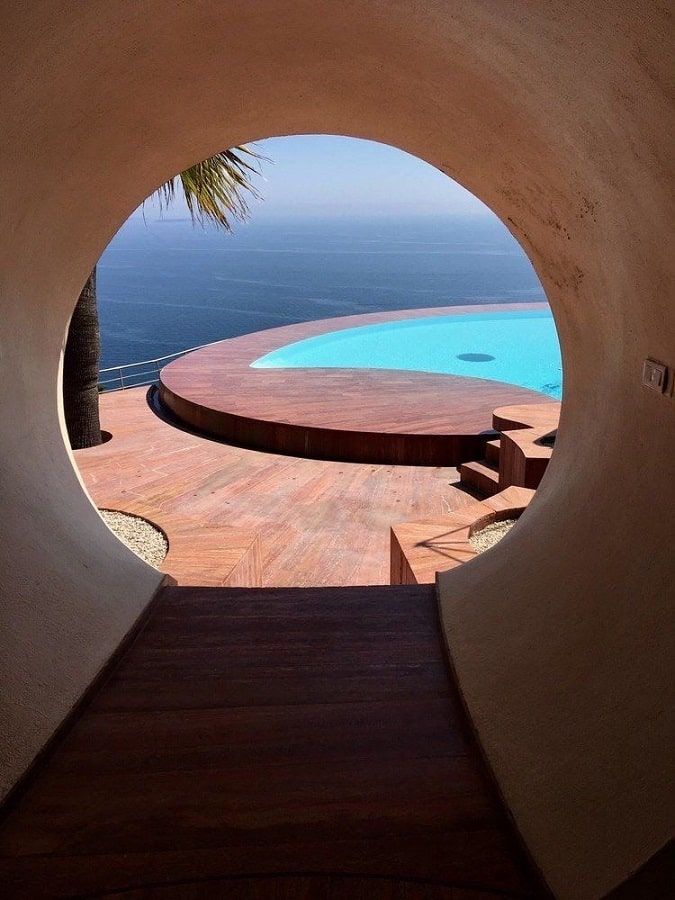
Image: PINTEREST: Palais Bulles, Théoule-sur-Mer, Francia
On the French Riviera, Palais Bulles, with its striking circular forms, resembles a futuristic sculpture more than a traditional residence. Built between 1975 and 1989, the property was acquired by Pierre Cardin in 1992, who was captivated by its avant-garde architecture and its affinity with his own creative vision, recalling the bubble dress he had designed in the 1950s. Cardin made the residence his own, transforming one of its spaces into an amphitheater for artistic performances and using the property to present his collections. It became a meeting point for fashion, art and architecture. The estate remained his private retreat until his death in 2020 and continues to host exclusive events and photoshoots.
Giorgio Armani: Pantelleria, Italy
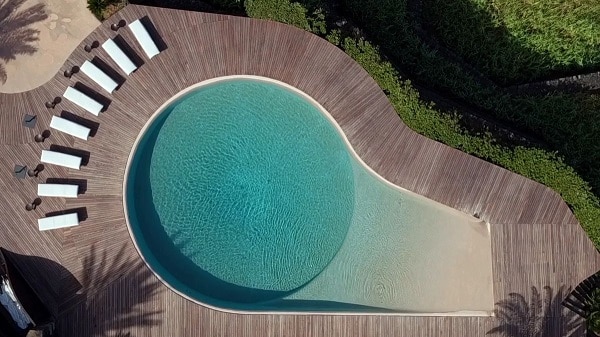
Image: PINTEREST, Residencia privada de Giorgio Armani, Pantelleria, Italia
Between Sicily and Tunisia lies the volcanic island of Pantelleria, Giorgio Armani’s chosen summer retreat since 1981. For more than four decades, the designer found inspiration and tranquility in its rugged landscape, dark volcanic rocks and sea breeze. There, he owned a compound of seven traditional stone houses. The island’s atmosphere inspired the iconic Acqua di Giò fragrance, launched in 1996, as well as Cyprès de Pantelleria, which evokes its Mediterranean character. Armani’s connection to the island extended beyond his personal retreat and creative inspiration to supporting its local community.
Destinations That Continue to Inspire
Christian Louboutin: Luxor and Melides, Egypt and Portugal
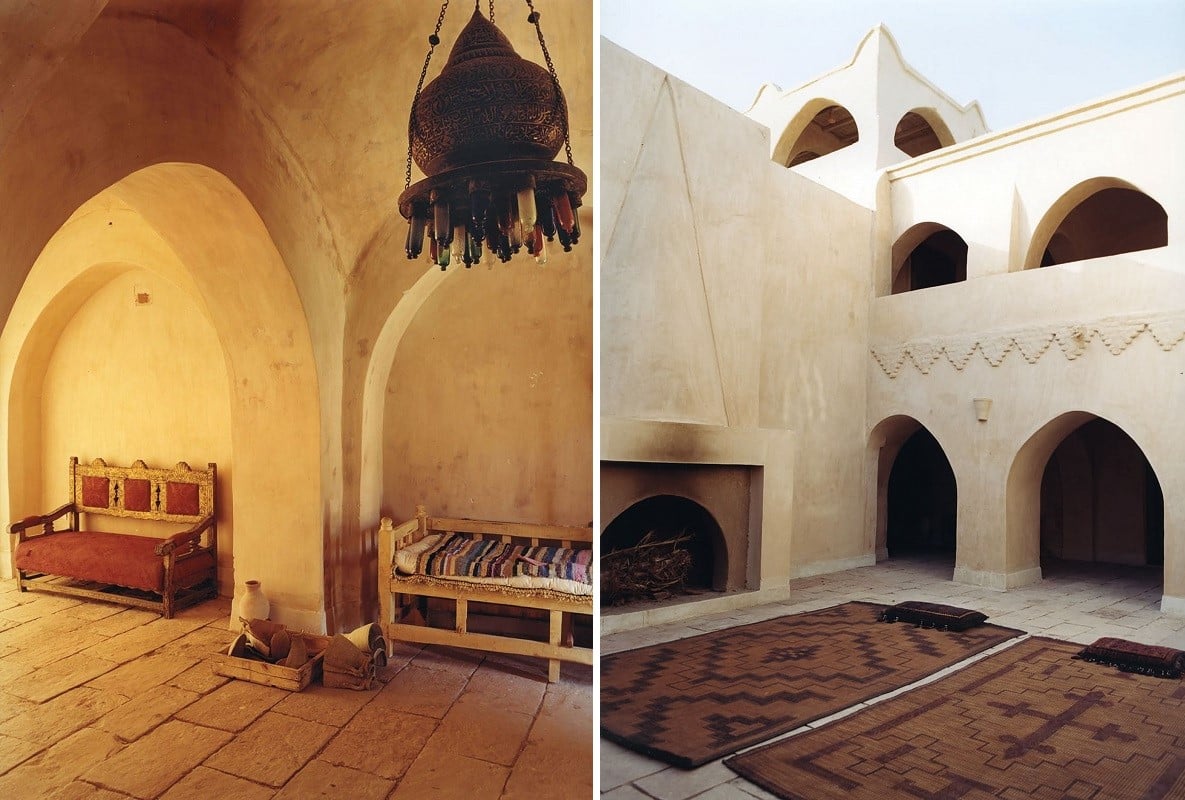
Images: PINTEREST, Christian Louboutin Egypt house Ivan Terestchenko Luxor Aswan
Egypt has held a special place in Christian Louboutin’s world since his first visit at the age of fifteen, particularly Luxor. The Nile and local architecture remain enduring sources of inspiration, with his private boat on the river even influencing the design concept of one of his boutiques. He also owns a home near Aswan, where he regularly retreats to unwind and work on his collections.
In Portugal, his relationship with Melides dates back to the 1980s. Captivated by the area, he purchased a local fisherman’s house and transformed it into a private sanctuary complete with a creative atelier. He returns twice a year to work and relax, later expanding his presence in the region with Vermelho Melides, his first boutique hotel, which bears his unmistakable creative signature.
Simon Porte Jacquemus: Provence and Capri, France and Italy
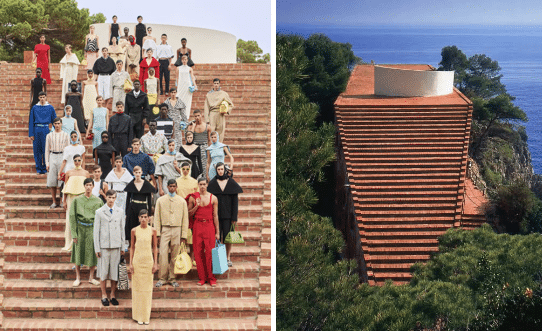
Image1:JACQUEMUS WEBSITE , Image2: WWD
Simon Porte Jacquemus grew up in Mallemort, Provence, where the sun-drenched landscapes, natural beauty and Mediterranean way of life helped shape his brand’s visual identity. Yet Capri holds a different place in his imagination. His fascination with the island began with Jean-Luc Godard’s film Le Mépris. After years of dreaming, he chose the iconic Casa Malaparte as the setting for his brand’s 15th-anniversary show in 2024. The villa’s architecture and the island’s colours were reflected in the resulting collection.
Zimmermann: Sydney, Australia
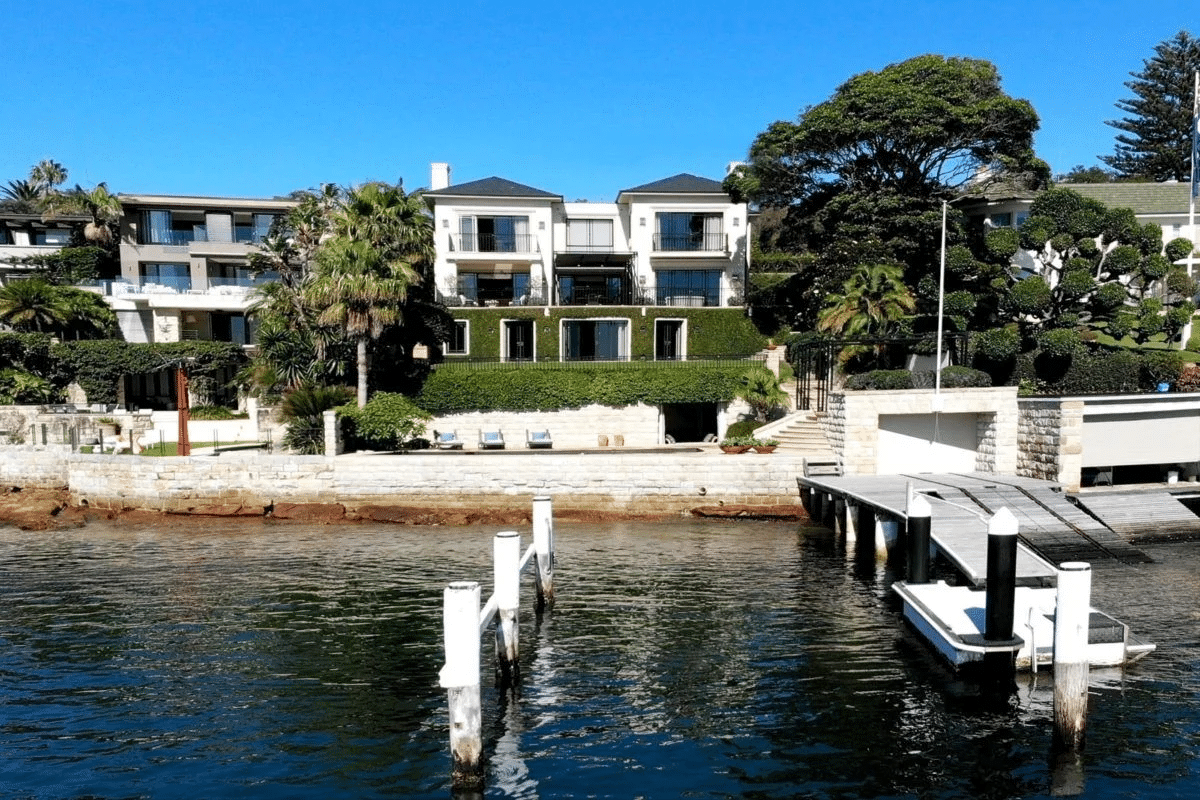
Image: BOSS HUNTING, Nicky Zimmermann Sydney home Boss Hunting
For sisters Nicky and Simone Zimmermann, the Australian label’s identity is inseparable from Sydney’s summer lifestyle and memories of beachside holidays. From its coastline to its artistic and cultural scene, the city continues to shape the house’s collections.
The Spring 2017 collection revisited Sydney’s alternative club scene of the 1980s, while Spring 2025 drew inspiration from Nicky’s childhood memories of 1970s surf films screened in local venues. For Spring 2026, the brand paid tribute to the bohemian artistic community that flourished along Sydney Harbour during the 1970s. More than simply the birthplace of the label, Sydney remains a constant source of inspiration, where personal memories are reimagined through contemporary design.