In summer, the bandana found its way into our bags and around our waists after a beach dip, printed in every possible iteration. Over the seasons, we’re seeing it go beyond the square scarf into embroidery and jacquard. It has carried over into autumn, and as far as the ski lift: Goldbergh’s exclusive capsule for Mytheresa runs a brown bandana paisley down a pair of slim ski trousers.
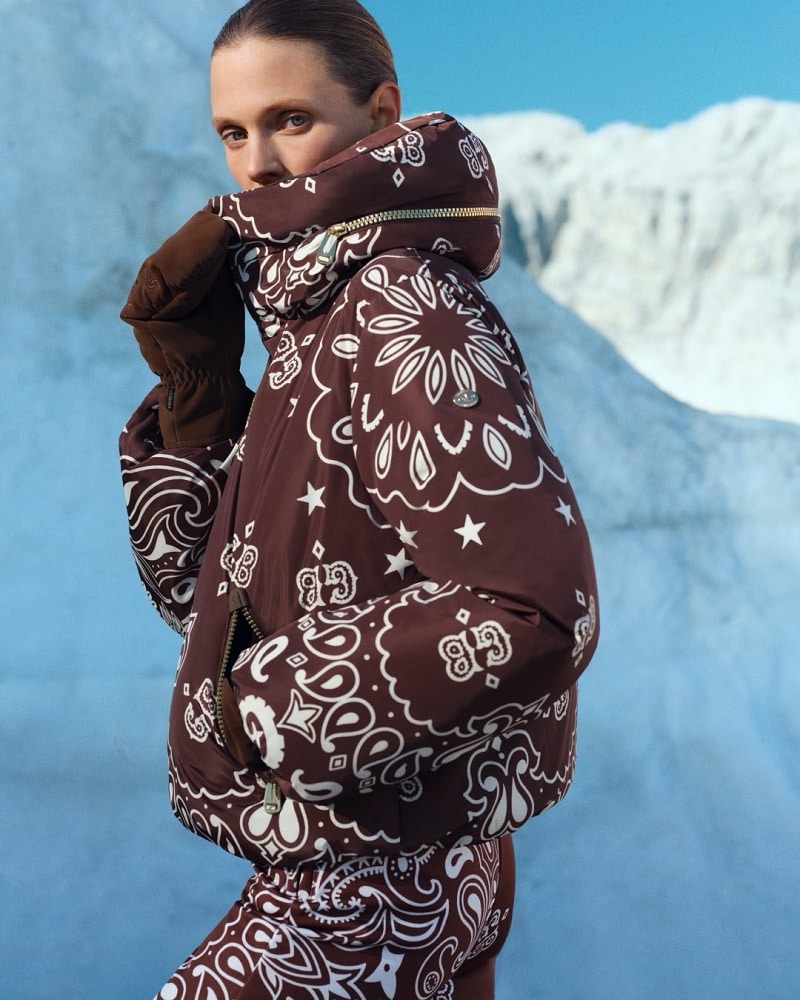
Image: Courtesy of Mytheresa via Instagram
So are we going Wild West again? The print is doing what denim did a few seasons ago, drifting out of its season and into the rest of the wardrobe. There’s a fatigue with micro-trends, the ones that last five minutes and leave you feeling like you have to rethink everything you own all over again. Knitted into cashmere or printed on denim, the bandana has stopped behaving like a summer trend. It just carries on into the next season.
Kujten has made the cashmere bandana a signature, repeating the familiar print in colourways that run from black and white to lavender. Carole Benaroya and Stéphanie Eriksson made their first one in 2020, working from archive prints, and the Hachi is still the house best-seller. It has worked its way onto the grey Cody cardigan too, embroidered into six-ply cashmere.
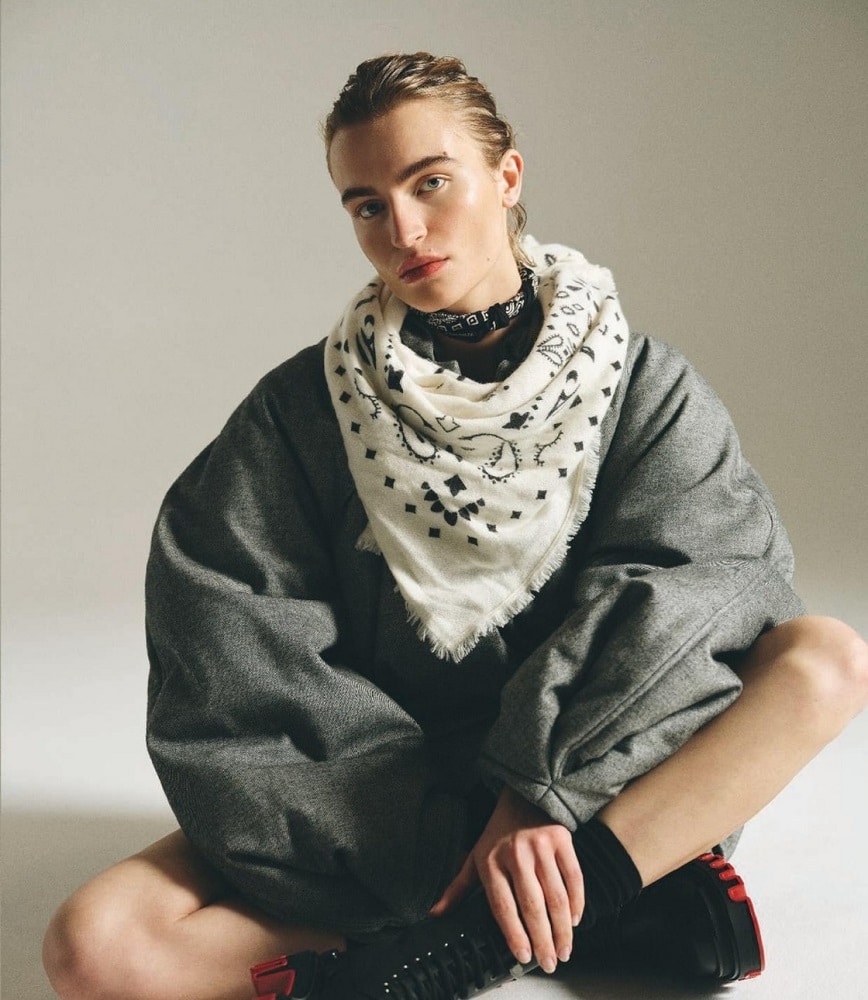
Image: Courtesy of Kujten via Instagram
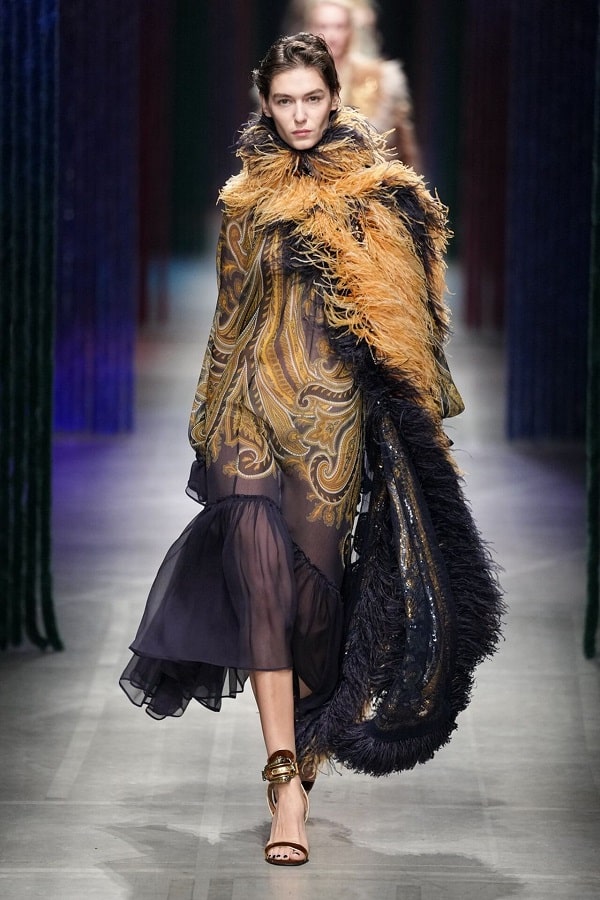
Strictly speaking, paisley and the bandana aren’t the same thing. Paisley is the curl, and the bandana is the cotton square it usually ends up on, with a border and a scatter of dots. The two rarely turn up apart, and this autumn paisley was back on the runways at Dries Van Noten and Etro.
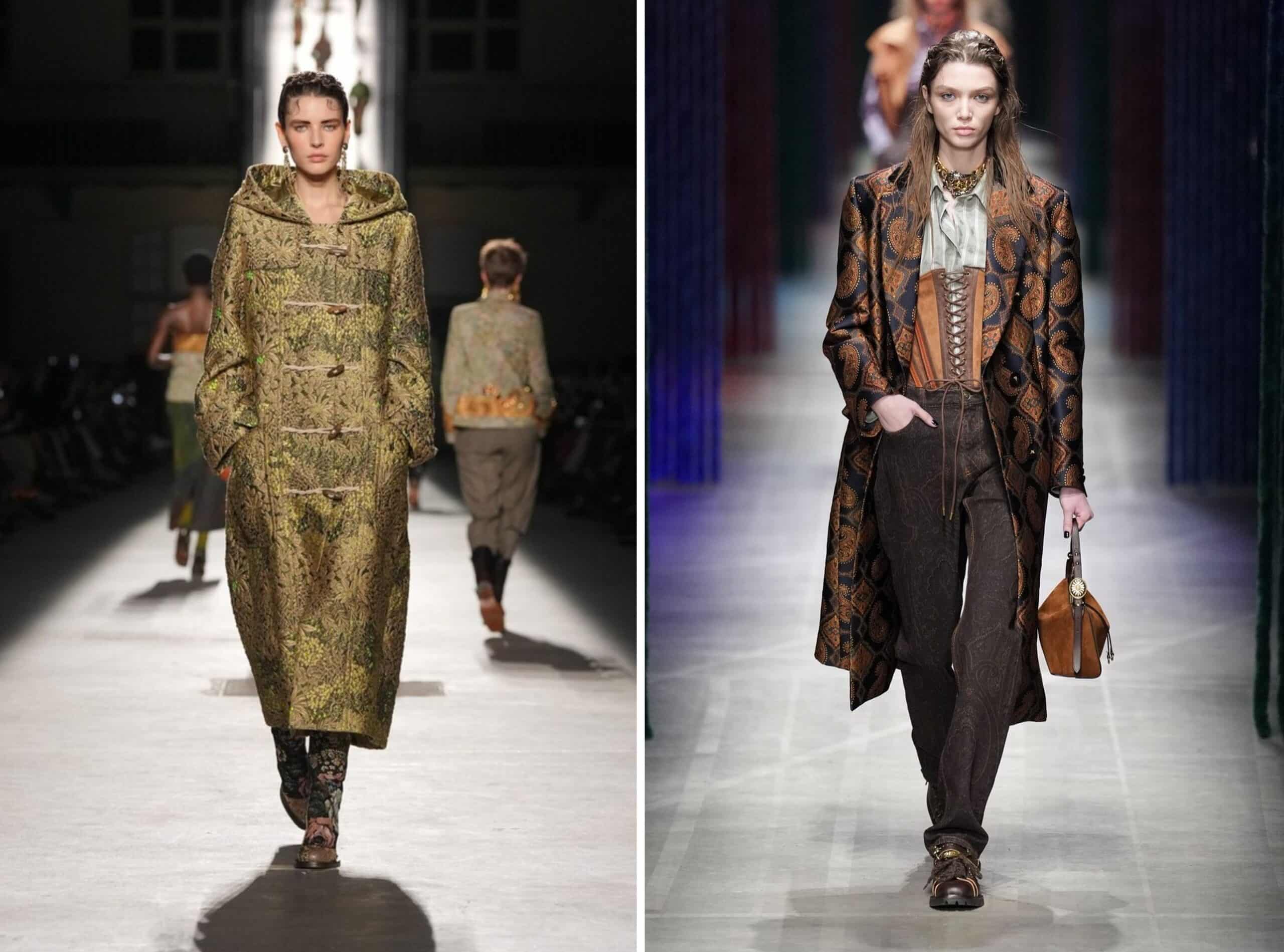
Image1: Courtesy of Dries Van Noten, Image2: Courtesy of Etro
Long before the cowboy, and long before this revival, the curl on the bandana came from Persia, where it is called the boteh. In Qajar Iran, women wore it at court, woven into fitted silk jackets with long sleeves that ended in a point. Calico printers from Isfahan stamped boteh onto cotton with carved pearwood blocks, one for each colour. Across the Ottoman world, the yazma was a light square of printed cotton, often edged with needle lace, and versions of it were tied over the hair across the Levant. Its older name, yazma yemeni, may point to block-printed cloth that first came from Yemen.
Fashion has borrowed the bandana before. Between 1991 and 1994, Chanel printed the familiar markings around double Cs on a black canvas Jumbo flap, trimmed with raffia. For spring 2016 at Sacai, Chitose Abe turned bandanas and souvenir scarves into prints on layered dresses, and at Dior Cruise 2021 in Lecce, Maria Grazia Chiuri sent models out in kerchiefs of local lace, in cream and black, for a collection drawn from Puglia.
What’s different this winter is how heavy the cloth has got. A bandana is meant to be something you can stuff in a pocket. Now the print has moved onto denim: Etro runs paisley down the leg of a flared jean, and R13 sets panels of faded bandana print into the side seams of a wide jean.
On an Alanui cardigan, the bandana is knitted into double jacquard cashmere and belted at the waist. Everything from the silhouette to the finish of the knit gives the motif a different reading, and on a piece like this, it has that reworked feel that makes it look effortless.