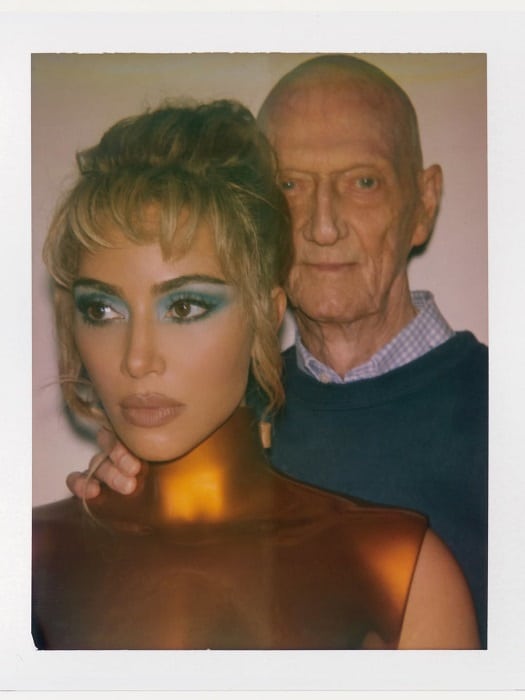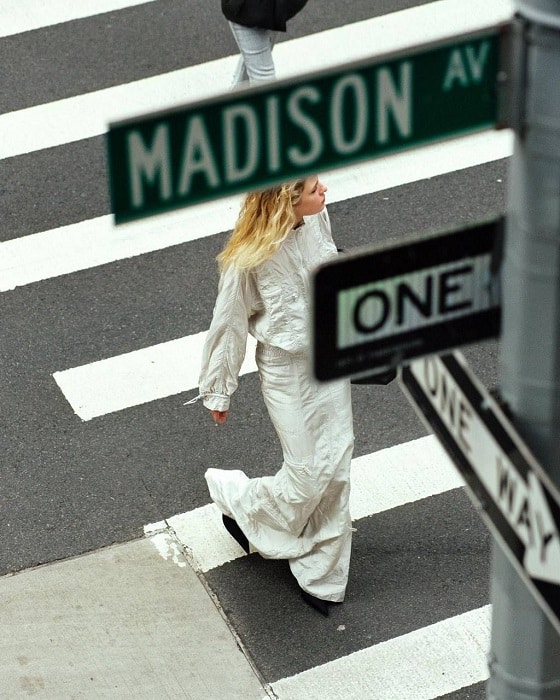
There’s a version of New York Fashion Week that exists entirely in the rush: crossing the city from a Brooklyn warehouse to a SoHo presentation, then racing uptown for a Madison Avenue show.
Amir Taghi knows that rush firsthand. A decade ago, while still a student, the Houston-raised designer snuck into Ralph Lauren’s Fall 2016 show. This September, he returns to NYFW as a 2026 CFDA/Vogue Fashion Fund finalist, with a label increasingly recognized for tailoring informed by his Persian heritage.
But slow down amid the rush, and another side of Fashion Week comes into view. Across New York, museums, galleries, stores, restaurants and nightlife reveal a broader cultural landscape surrounding the designers on the runway.
With NYFW SS27 set to open on September 10, 2026, Taghi joins names including Norma Kamali, the New York designer with Lebanese heritage best known for her work with the Sleeping Bag Coat and Parachute Collection, and threeASFOUR, the avant-garde collective whose founders bring Lebanese and Soviet backgrounds to their experiments with hand-draping, laser-cutting and 3D printing.
Beyond the runway, their influences intersect with a wider MENA cultural presence taking shape across the city.
Art, Architecture & Cultural Spaces
Within the Metropolitan Museum of Art’s expansive collection, the Galleries for the Art of the Arab Lands, Turkey, Iran, Central Asia, and Later South Asia offer a visual vocabulary that echoes throughout both Taghi’s and threeASFOUR’s work.
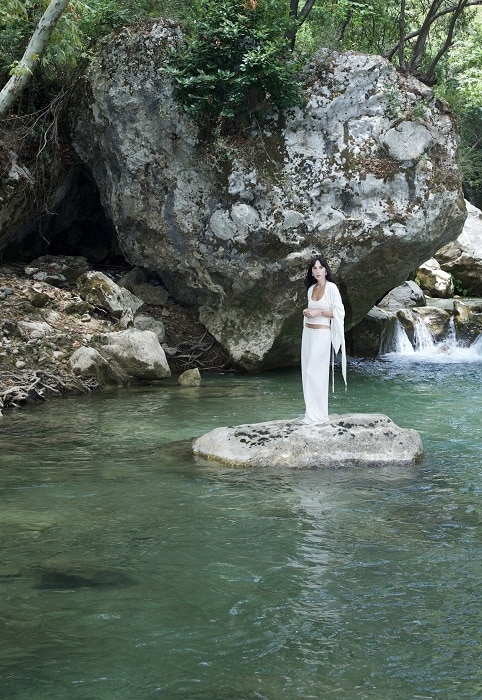
Geometric patterns, repetition and Islamic architectural forms have long informed threeASFOUR’s designs. Its MER KA BA collection transformed those ideas through 3D-printed textiles and laser-cut construction, turning geometry into something that could move around the body.
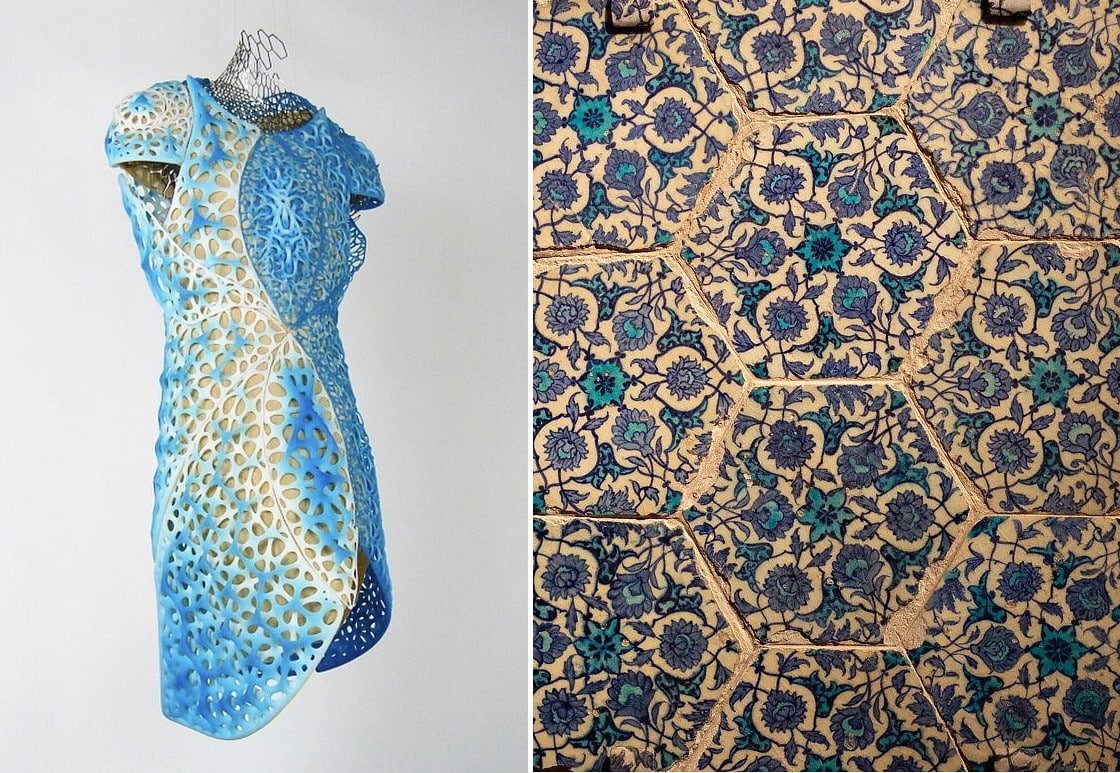
Image 1: ThreeAsfour Instagram, Image2: MetMuseum.org
For Taghi, the connection is more intimate. Persian rugs and textiles have informed everything from his palette—burgundy, rust, teal and marigold—to the Qashqa’i-inspired patterns of his Spring 2023 collection. Within the Met’s collection, those references can be traced through centuries of Iranian textiles, ceramics and architectural ornament.
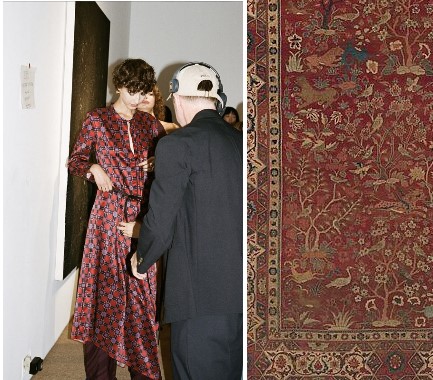
Image1: Amir Taghi Instagram, Image2: MetMuseum.org
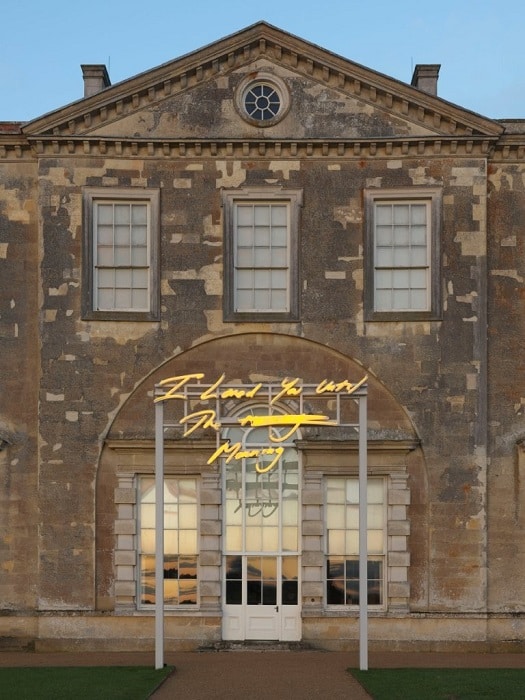
Downtown, the Perelman Performing Arts Center offers an unexpected architectural parallel to Norma Kamali’s approach to material and form. Architect Joshua Ramus’s marble-clad cube appears solid during the day and glows from within after dark. The transformation recalls Kamali’s career-long ability to rethink familiar materials: parachute fabric becomes a dress; sleeping-bag construction becomes a coat.
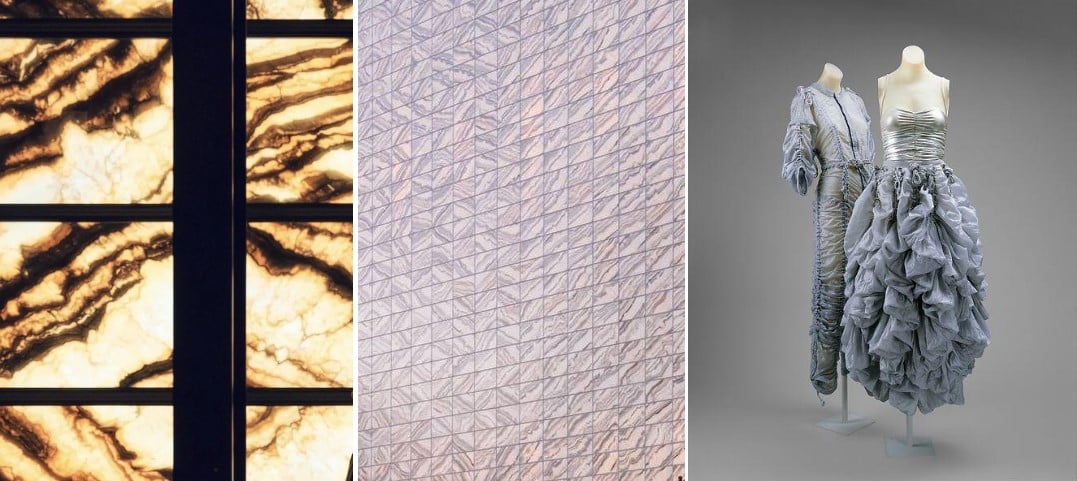
Image1 & 2: Pinterest, Image3: MetMuseum.org
That interest in rethinking familiar forms extends to Printemps New York at One Wall Street. The French retailer’s first U.S. location blurs the boundaries between fashion, architecture, art, beauty and hospitality. With Printemps also operating in Doha, its New York arrival reflects how luxury retail is increasingly being shaped around experience across global markets.
On the Upper East Side, Leila Heller Gallery represents another intersection between New York and the region’s creative landscape. Its history includes championing Iranian artists such as Monir Shahroudy Farmanfarmaian, whose mirrored geometric works demonstrate how traditional forms can be transformed into something distinctly contemporary.
Fashion, Design & Objects
The relationship between New York and MENA design is also visible along Madison Avenue, where Elie Saab’s two-floor boutique brings a Beirut-founded fashion house into one of the city’s most established luxury corridors.
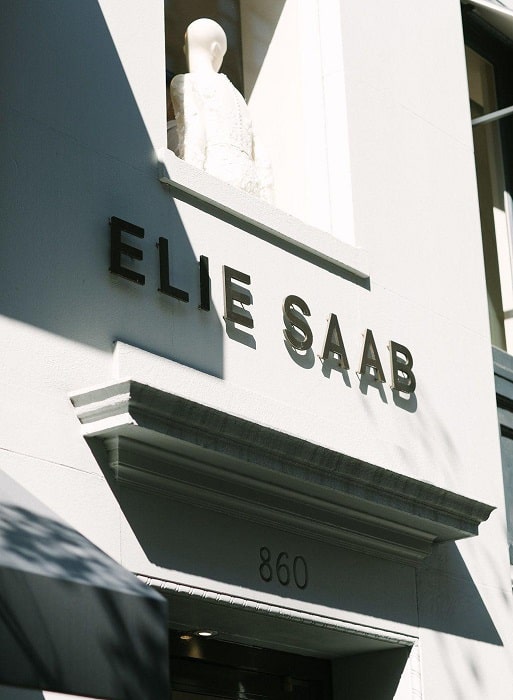
Image: ElieSaab.com
Saab opened his first atelier in Beirut in 1982 at just 18 and built an international reputation around couture and bridalwear. He isn’t on this season’s NYFW calendar, but the presence of a Lebanese house on Madison Avenue speaks to MENA fashion’s place within New York’s luxury landscape beyond Fashion Week itself.
Taghi’s path into that landscape started differently. He designed his first collection as a teenager in Houston before studying at Central Saint Martins and Parsons and going on to work at houses including Oscar de la Renta and Proenza Schouler. Today, his label moves between its New York base and trunk shows around the country, merging the intimacy of made-to-order fashion with a growing national presence.
Kamali’s history is deeply embedded in New York retail. She opened her first shop in 1967 and later built a Madison Avenue presence around designs that challenged assumptions about what materials belonged in luxury fashion. Her work has since entered museum collections, including the Met, MoMA and Brooklyn Museum, turning once-unconventional garments into pieces of American design history.
In SoHo, DOORS NYC carries that experimental spirit into a newer generation. The concept store brings independent designers together under one roof, treating curation itself as part of the creative process. It’s an approach that parallels threeASFOUR, which emerged from the ASFOUR collective in the late 1990s and continues to blur the boundaries between fashion, technology, sculpture and collaborative practice.
Food, Coffee & Nightlife
New York’s MENA cultural landscape is just as present at the table, over coffee and on the dance floor.
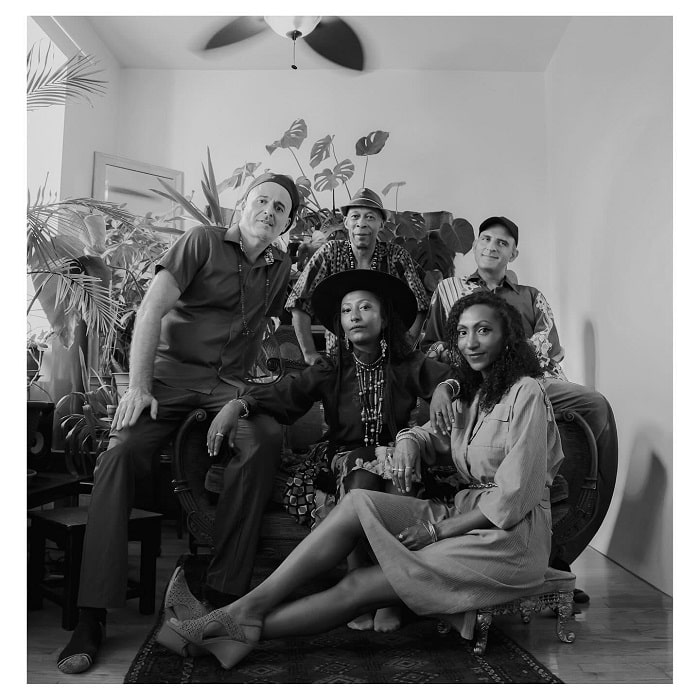
At Sofreh in Prospect Heights, chef Nasim Alikhani translates Persian culinary traditions through a distinctly New York restaurant, adding another dimension to the Persian cultural presence found throughout the city. Alikhani opened Sofreh in 2018 after decades of cooking, later becoming one of the Iranian culinary voices represented at the 2021 Met Gala.
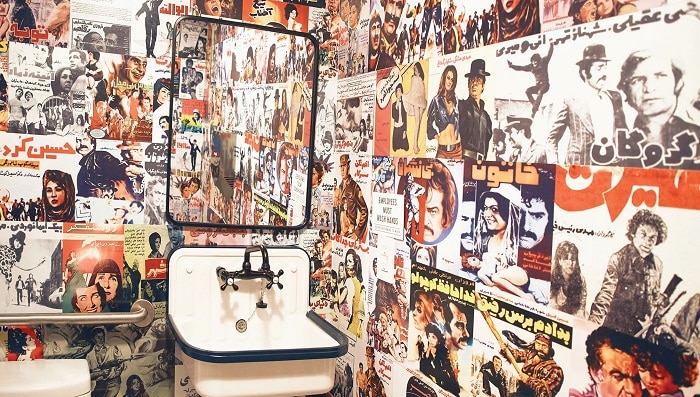
Image: Sofreh.com
In NoMad, ilili represents another part of the region through contemporary Lebanese cooking and a wine program with a significant focus on Lebanese producers.
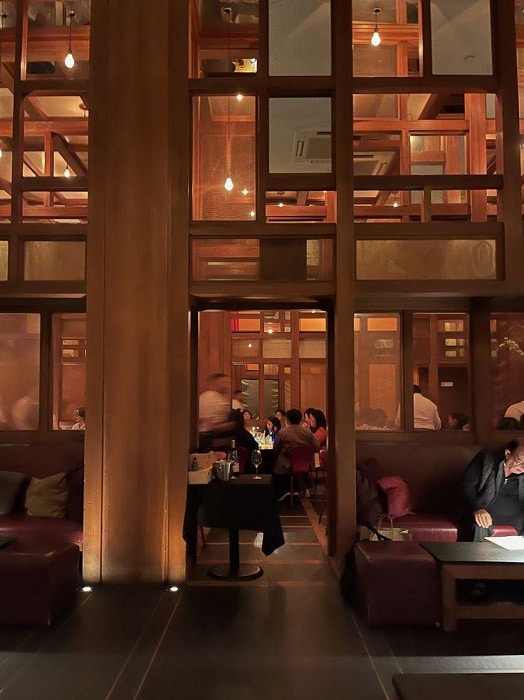
Image: Pinterest
Coffee offers a quieter window into the region at Qahwah House, which traces its roots directly to Yemen. Founder Ibrahim Alhasbani comes from a family with generations of coffee-growing history, sourcing beans from Yemen’s mountainous Haraz region. What began in Dearborn, Michigan, has since become part of New York’s growing Yemeni coffee culture.
The connections continue onto the dance floor. In mid-September 2026, Laylit celebrates its eighth anniversary at Elsewhere in Bushwick, bringing Arab and SWANA sounds and artists together during NYFW weekend. The party has built its identity around a diaspora that isn’t represented by a single country, genre or language.
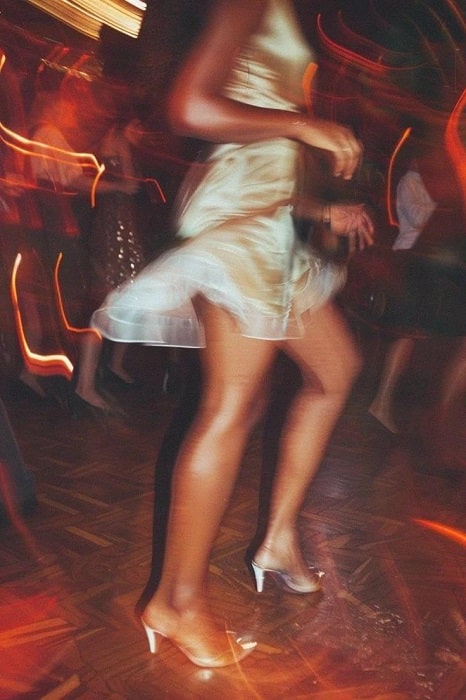
Image: Pinterest
On September 13 and 14, Saint Levant brings his Afandi World Tour to Brooklyn Paramount. The multilingual Palestinian-Algerian artist moves between Arabic, French and English, sometimes within a single track, reflecting another version of the cultural fluidity visible across the city.
NYFW may bring MENA designers to the runway, but the cultural landscape they are part of isn’t confined to it. Across New York, the city’s MENA diaspora is carrying traditions forward and reshaping them through art, food, music and design.