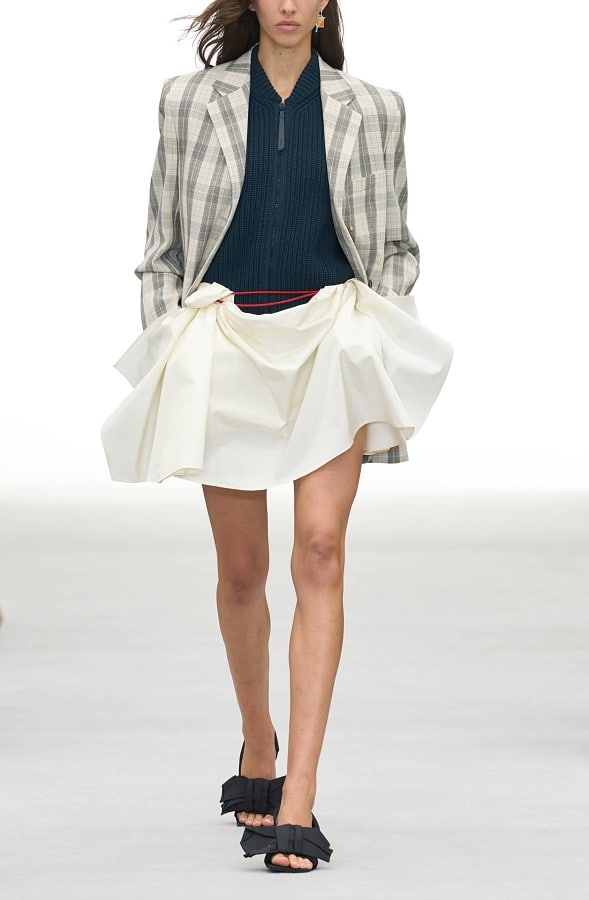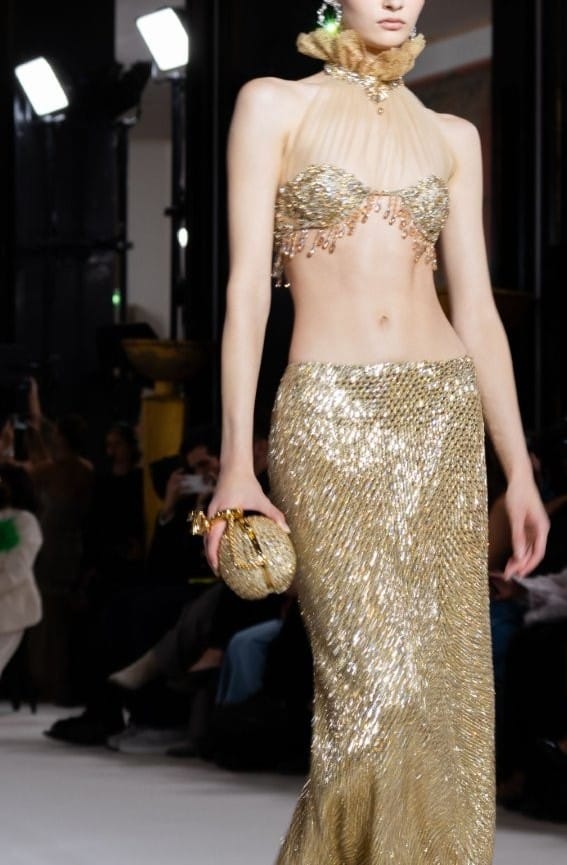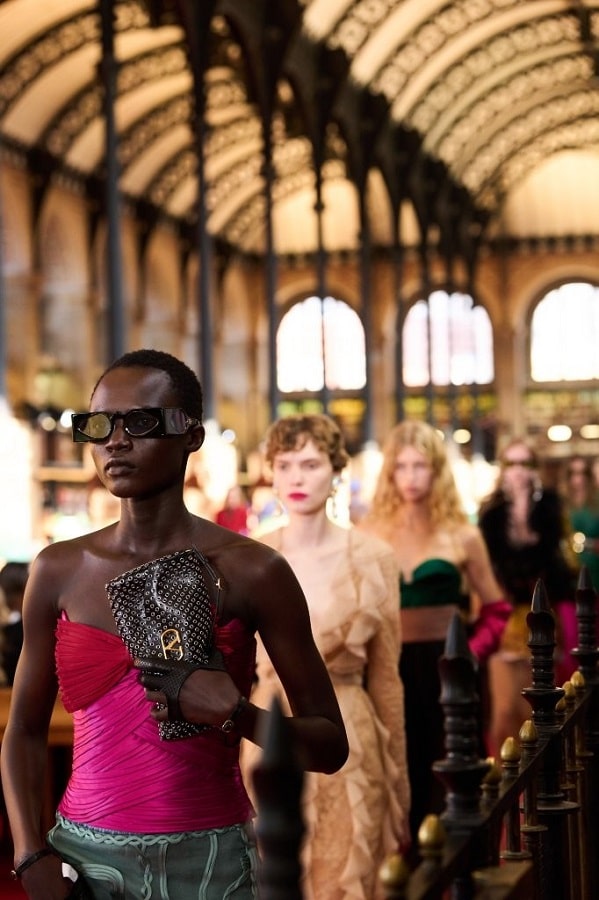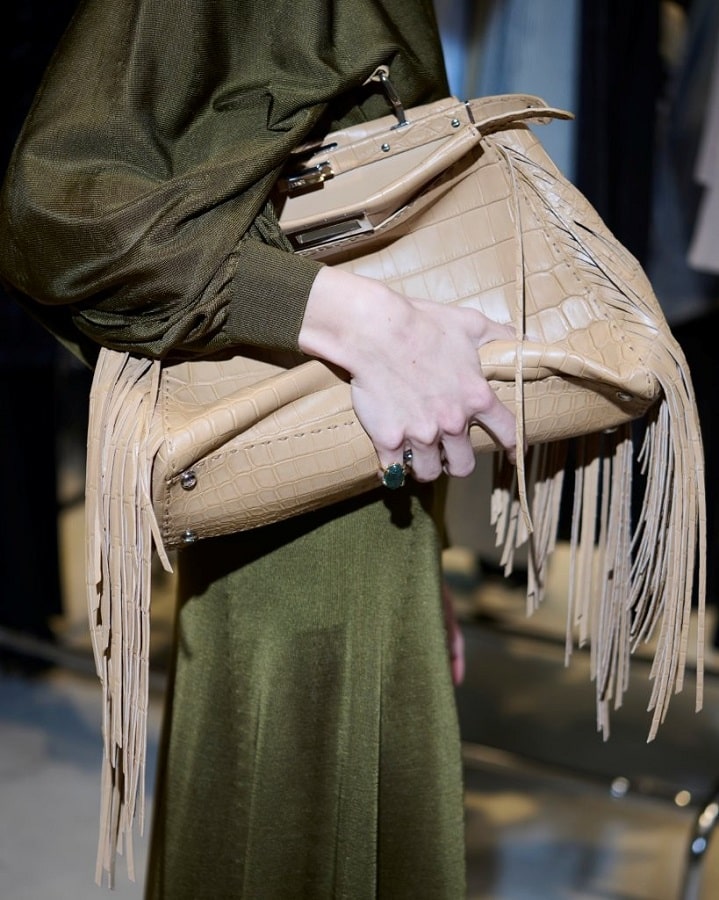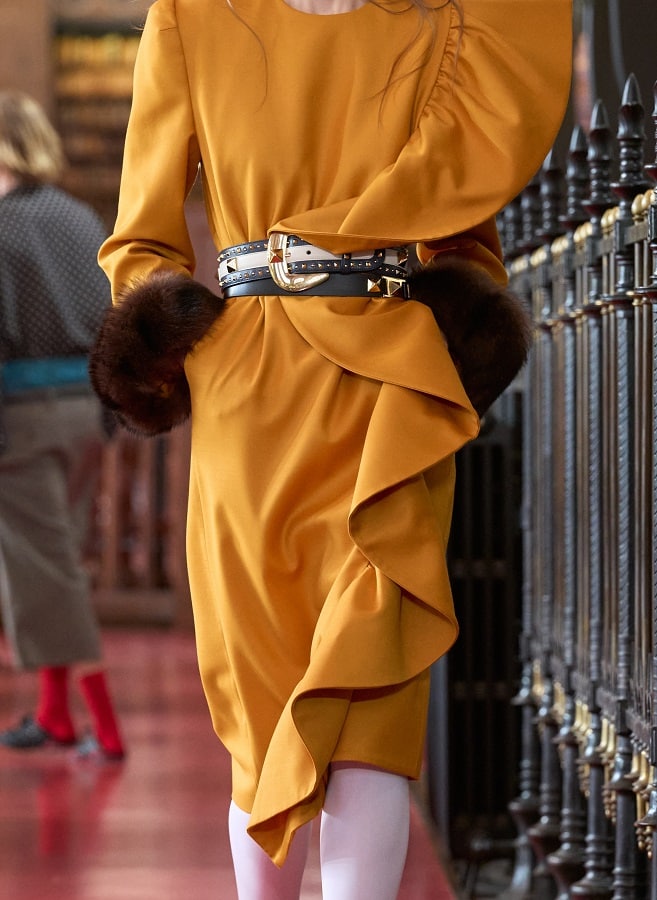
For a while, it seemed as though the belt had lost its purpose and the fashion industry had simply moved on from it. The belt enjoyed major popularity in the 1990s and the years that followed, when it performed its most basic functions: holding up trousers, defining the waist and adding a polished finishing touch to an outfit without restricting movement. But across the Spring/Summer 2027 collections, it became clear that designers were bringing the belt back into focus and were no longer interested in its functional role alone.
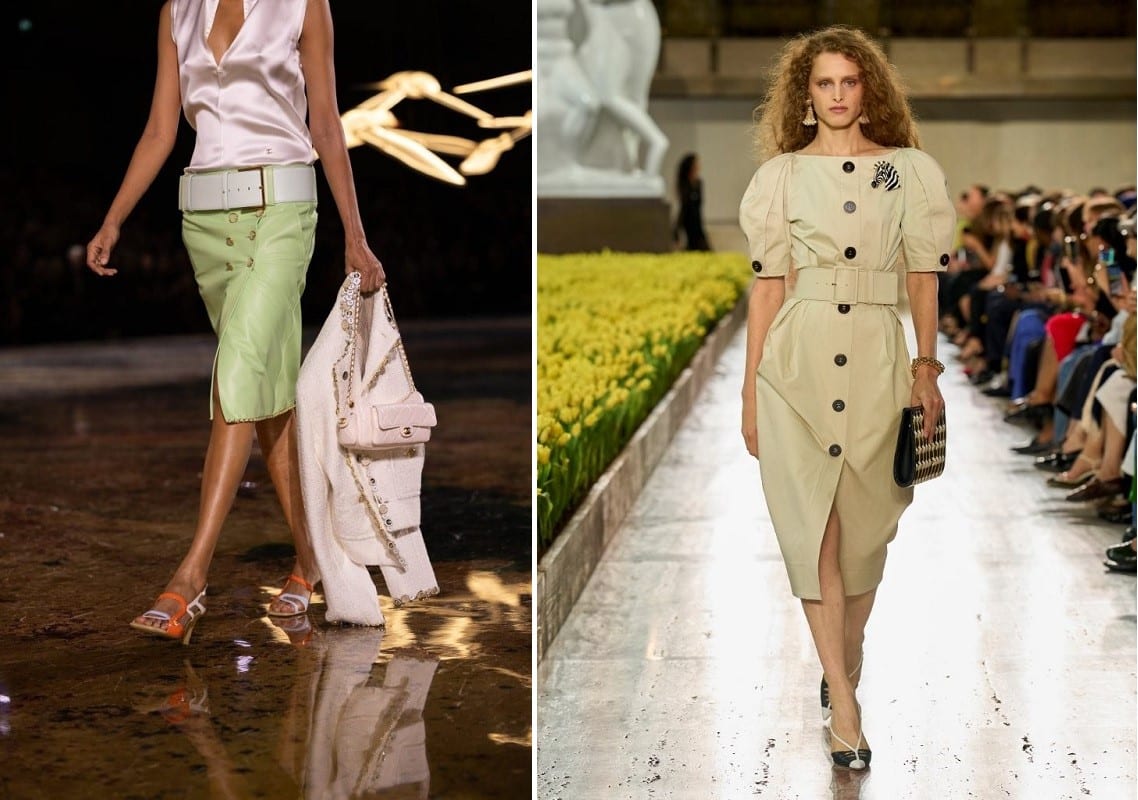
Image1: Courtesy od Chanel, Image2: Courtesy of Carolina Herrera
The irony is that the belt is returning at a time when fashion is no longer looking for more designs, but for new ways to wear the pieces we already own.
Across the runways, particularly in Paris, oversized buckles, wide leather belts, layered belts and styles that looked almost like sparkling accessories emerged as part of a trend that can sound slightly strange when described in theory, then make perfect sense when styled with the right clothes.
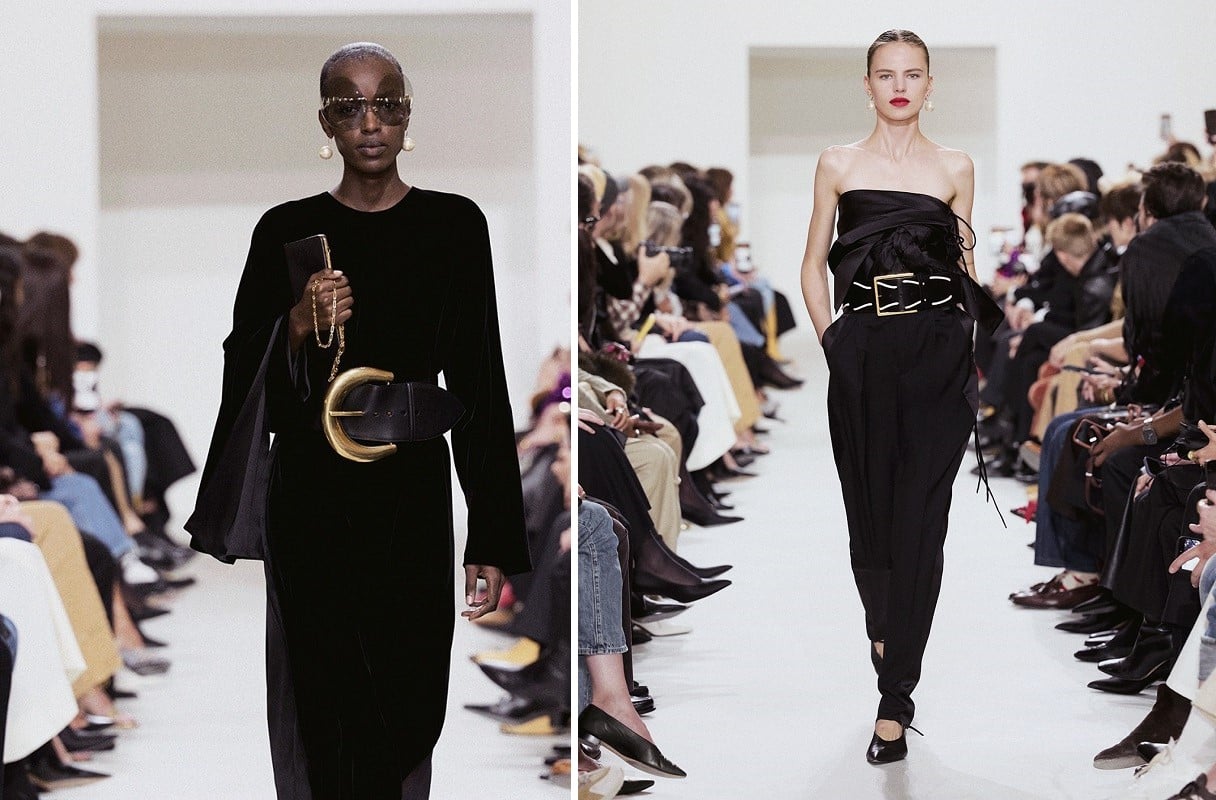
Images: Courtesy of CELINE
CELINE was one of the clearest examples. Michael Rider brought the oversized buckle back into focus, wrapping wide belts around the waist in a way that recalled the mid-2000s. His looks felt familiar, yet they did not come across as simple nostalgia. Fashion today tends to draw on recognisable symbols from the past, strip away some of their more exaggerated details and bring them back with a more appealing attitude.
And this is precisely where the power of the belt lies. It is one of the few pieces capable of completely changing the proportions of an outfit without changing the clothes themselves, as if adding a single accessory can redraw the entire picture.
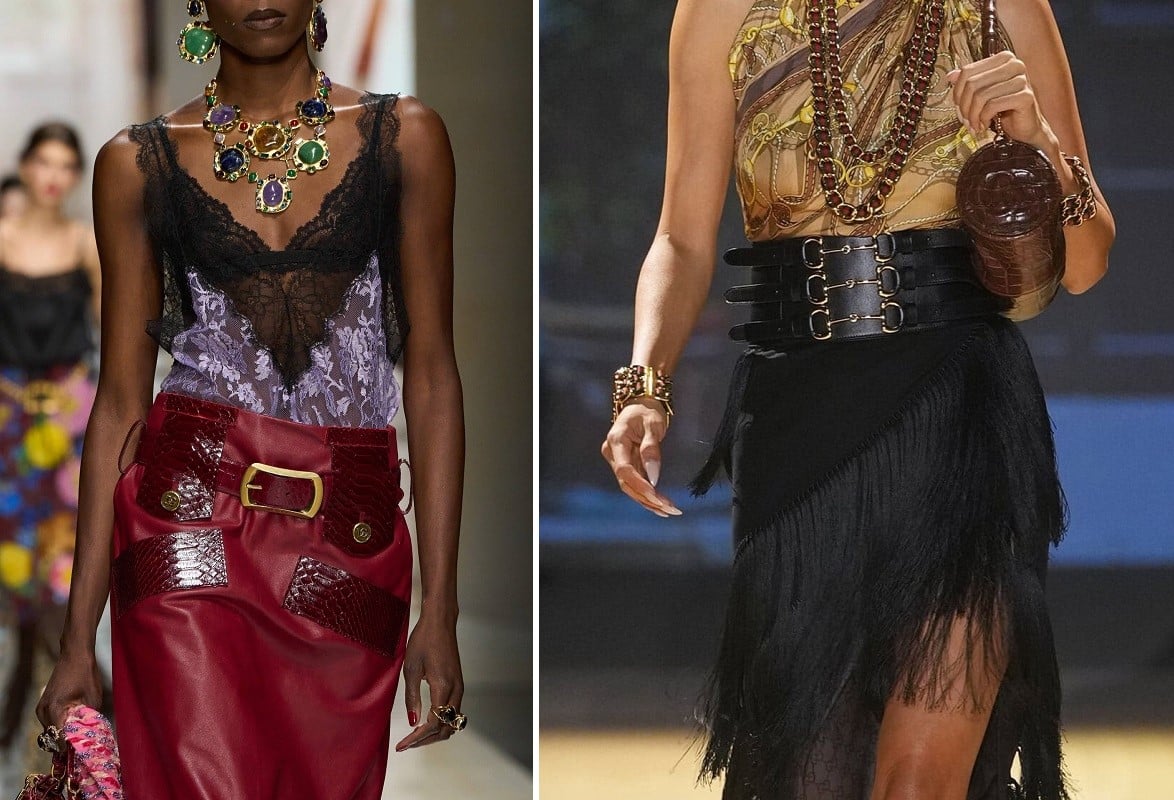
Image1: Dolce & Gabbana, Image2: Gucci, TheImpression.com
This approach was widely visible throughout the Spring/Summer 2027 fashion weeks. At Gucci, the belt appeared as an integral part of the look, with a wide black design defining the waist and multiple metallic details adding further visual impact. Dolce & Gabbana took a similar approach, wearing belts at the waist in some looks and lower on the hips in others, highlighting the different sides of the woman. Valentino, meanwhile, relied more heavily on wide black or brown belts to break up the intensity of its luminous colours. The idea was clear: there is always room for a little rebellion when the result is an unexpected look that feels far from boring.
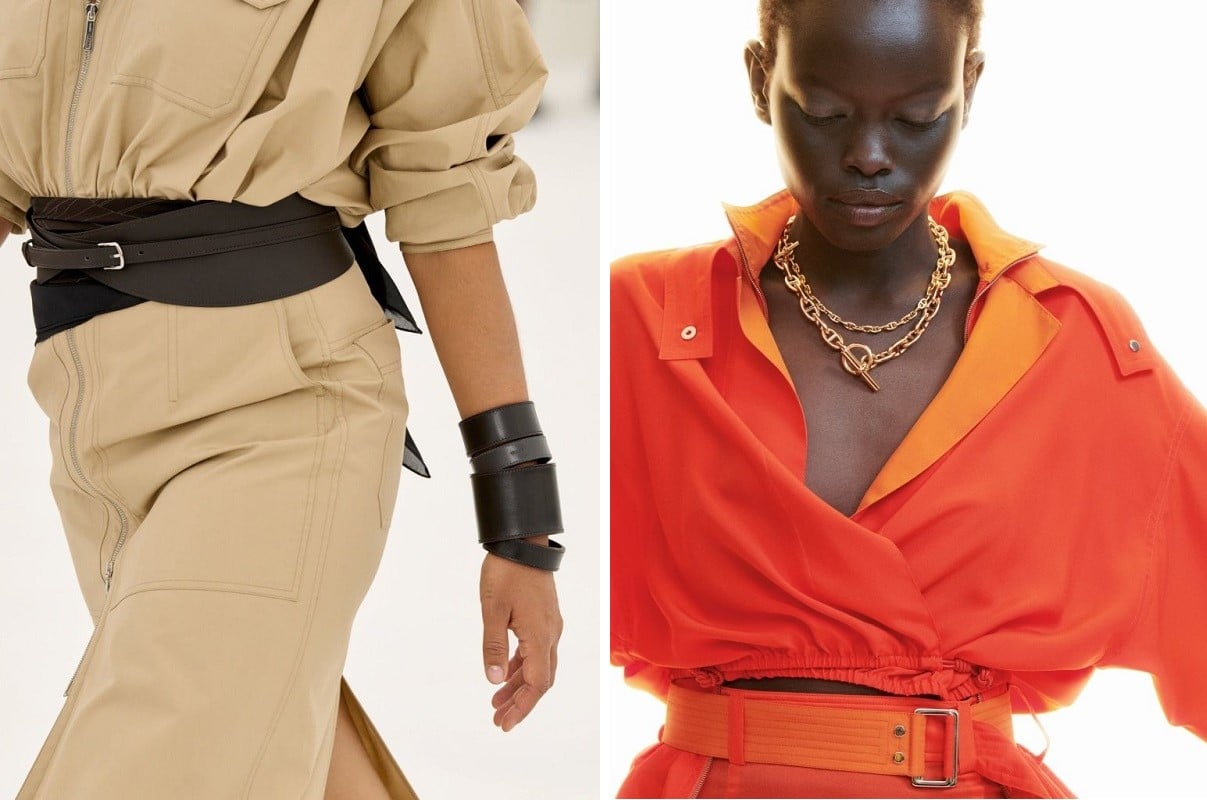
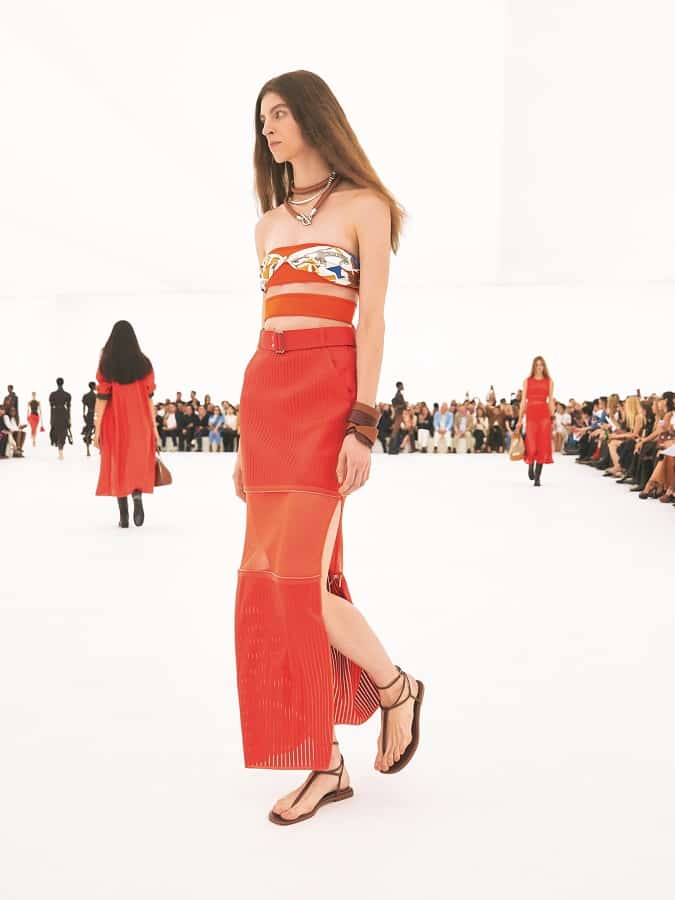
Images: Courtesy of Hermès
Hermès took a more controlled approach, with creative director Nadège Vanhee-Cybulski using belts to shape practical, equestrian-inspired looks, proving that a wide belt does not necessarily have to be loud to attract attention. For the house, belts are among the elements that add volume and richness to its collections.
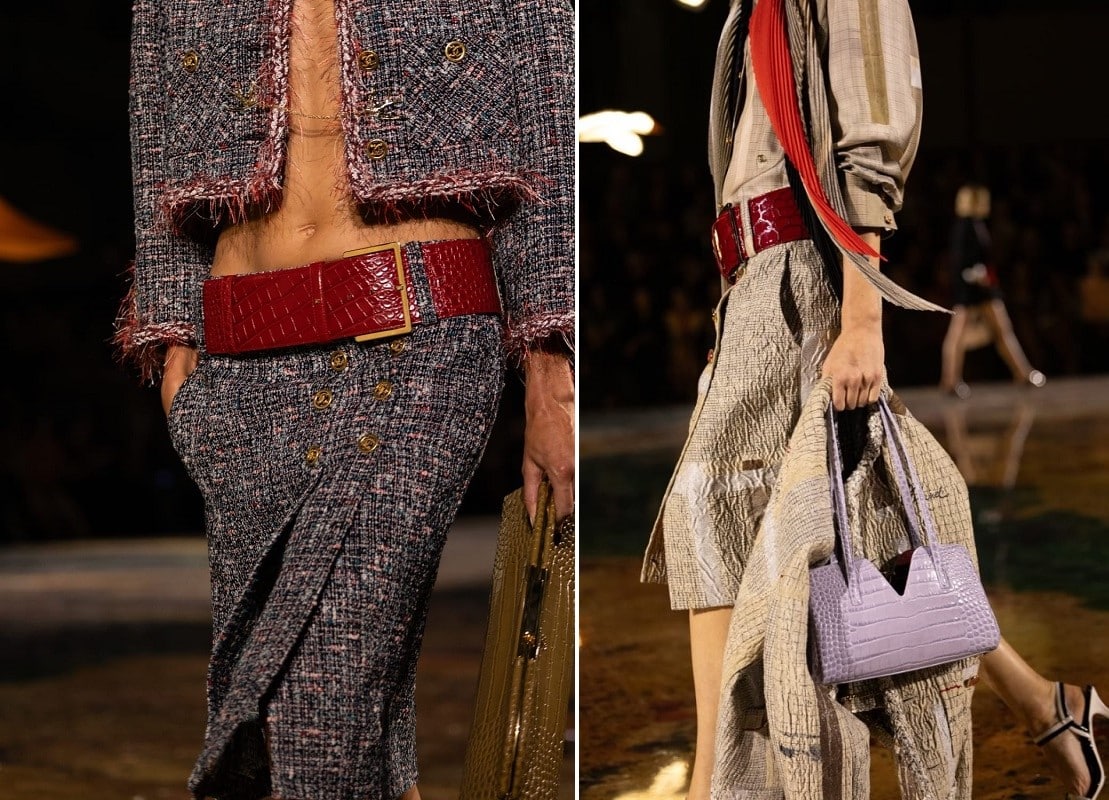
Images: Courtesy of Chanel
Chanel, in turn, took the idea of the belt into its own universe. Rather than bringing back its delicate gold belts, the house opted for leather styles worn around the hips, taking some of the classicism out of its tweed looks and turning them into bolder designs with a distinctly youthful spirit.
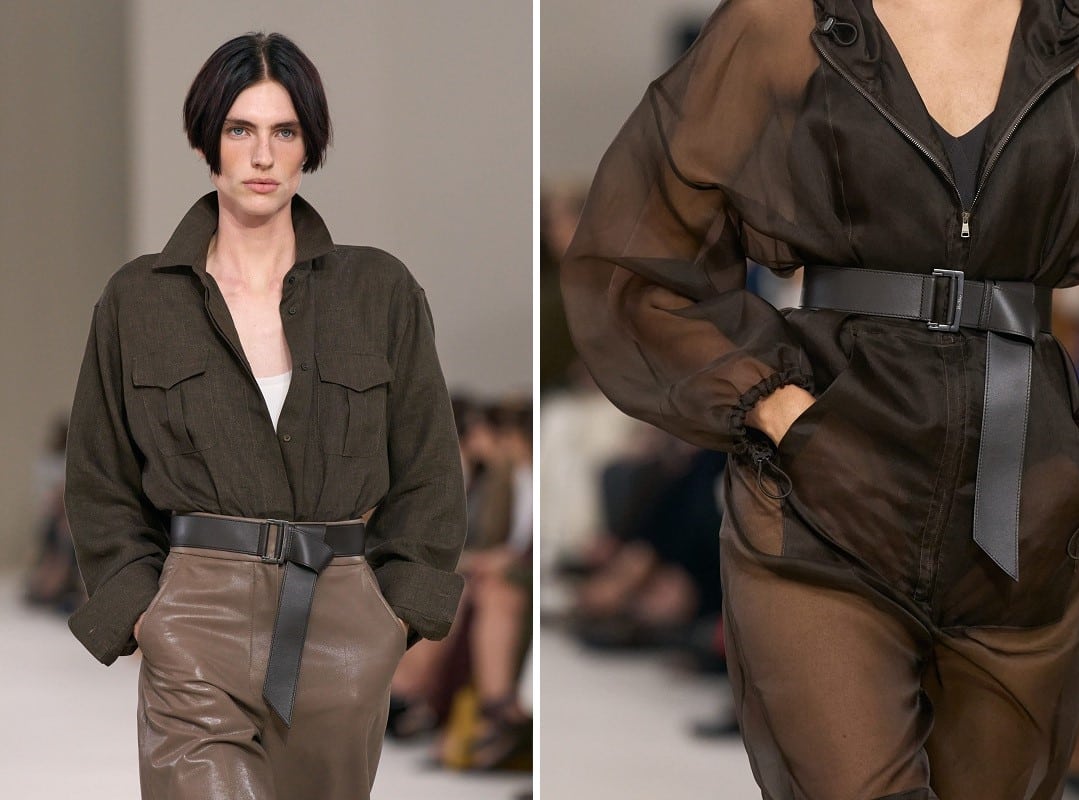
Images: Courtesy of Max Mara
Then there was Max Mara, which used the belt as an architectural element, adding it to safari-inspired looks that immediately felt more contemporary. Rather than blending into the clothes, the belt gave them a distinctive character and a polished edge. In other words, the belt is no longer a secondary accessory in an outfit. It has the power to change its entire attitude.
And this is precisely what makes its return more significant than a seasonal trend. At a time when fashion is talking so much about consuming less, changing the way we wear our clothes becomes more interesting than buying new ones simply to keep up with another trend.
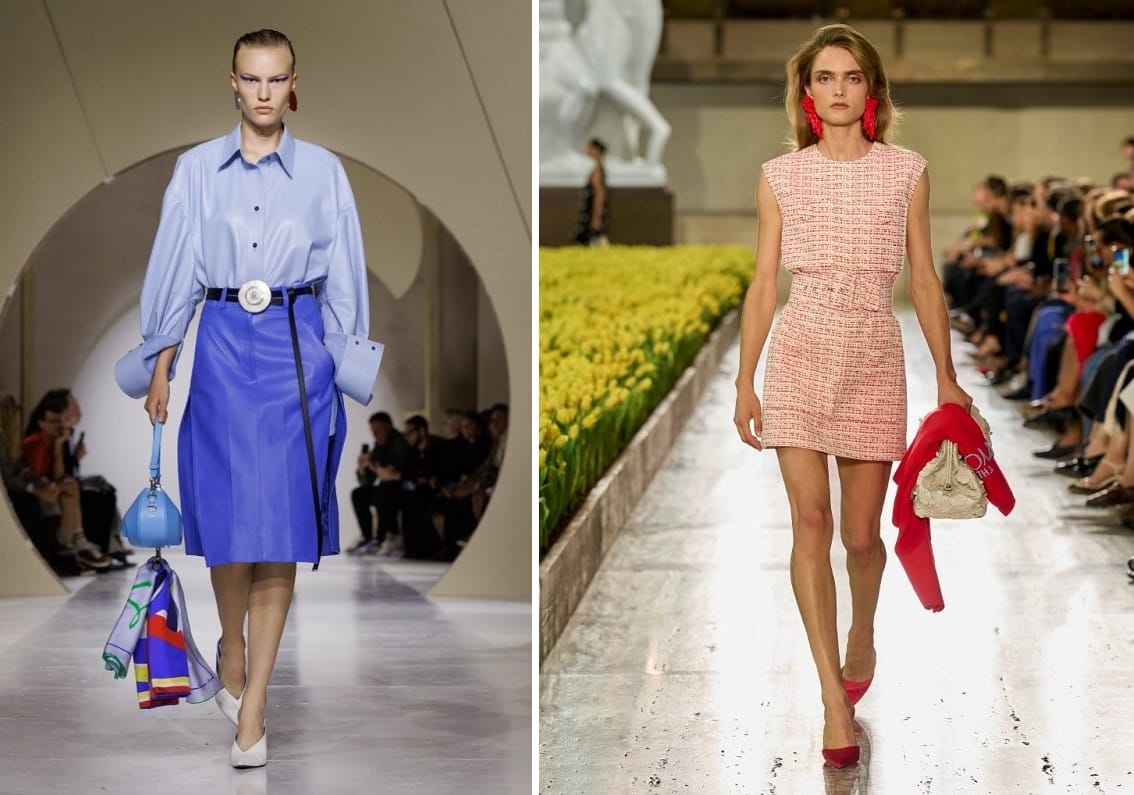
Image1: Courtesy of Givenchy, Image2: Courtesy of Carolina Herrera
Elsewhere, Givenchy introduced belts with round metal buckles that somewhat recalled the looks of American Western cowboys, while Carolina Herrera used wide, colourful belts to make classic outfits feel more feminine and delicate by defining and highlighting the waist.
Ultimately, the belt seemed to become one of the tools fashion houses turned to in order to bring a sense of freshness and boldness to their looks. But why now, specifically?
Perhaps because the fashion world has spent the past few years obsessed with oversized clothing. Comfortable, relaxed silhouettes have dominated wardrobes, often at the expense of pieces that define or emphasise the waist.
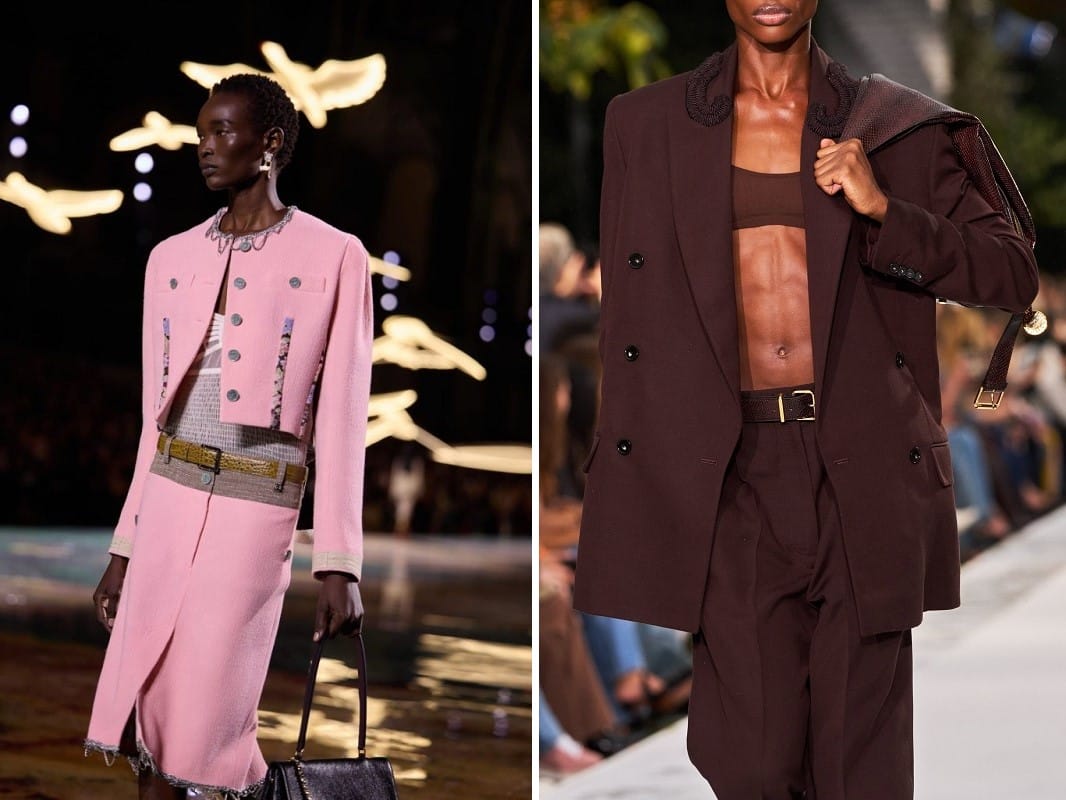
Image1: Courtesy of Chanel, Image2: Stella McCartney, TheImpression.com
In our view, this return is not really about nostalgia. It may have more to do with a clear desire to reclaim the shape of the body that has been largely absent from fashion for some time. After years of allowing clothes to speak the language of volume and comfort, the belt returns to suggest that defining the waist can itself be a statement.
It feels like a small rebellion against cloths that erase the contours of the female body. The belt gives the waist a defined shape and reminds us that perhaps it is time for clothes to reclaim some of their traditional categories: clothing designed for women and clothing designed for men, at a time when the idea of difference between women and men is often expected to disappear in order for fashion to appear more modern.