Countries have always found their way into the work of artists and creative minds. But what makes a place feel so familiar that we feel we belong to it, as though it were part of us? Sometimes, we remember these places through the colours that have stayed with us since childhood. At other times, it is their landscapes, unlike those of anywhere else, or the smallest details of everyday life that have touched something deep within us. These memories often become more powerful and meaningful when we are far from home. Such memories and sources of inspiration frequently find their way into the work of Lebanese artists, taking different forms across generations. These enduring connections to home lie at the heart of the new exhibition season at Bassam Freiha Art Foundation in Abu Dhabi, where Lebanon takes centre stage, not simply as a place to live, but as a feeling that stays with us.
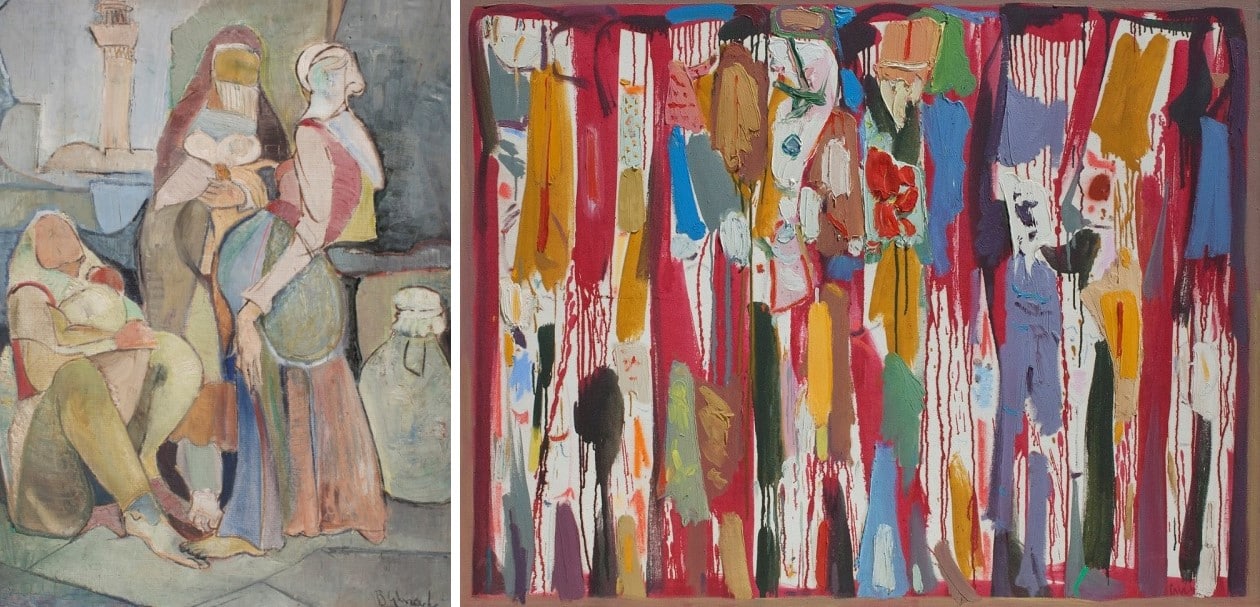
Images: Paul Guiragossian, Femmes en Conversation, Pourpre
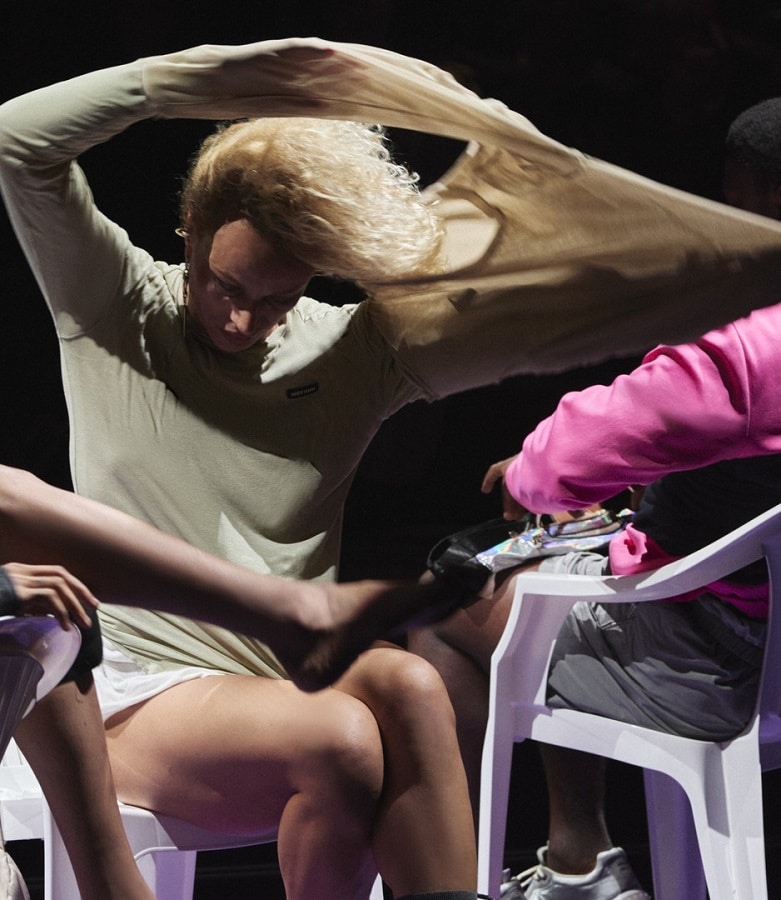
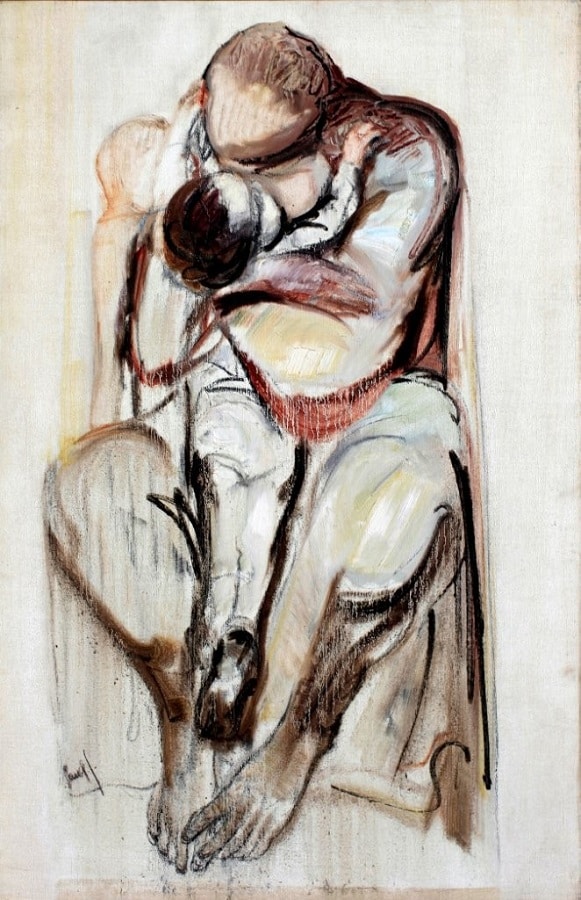
At the heart of the programme is Paul Guiragossian: 100 Years of Art, an exhibition marking the artist’s centenary and offering a more personal perspective on one of the most important figures in modern Lebanese art. Born into an Armenian family affected by displacement, Guiragossian moved from Jaffa to Lebanon in 1948. Through his paintings, he explored the human figure, family life and the bonds that bring people together. The exhibition goes beyond the artist’s public reputation to reveal the person behind the work, bringing together paintings and personal family objects rarely seen outside Lebanon. It also traces the influence of three generations of women in his life: his mother, Rahel, his wife, Juliette, and his daughter, Manuella.
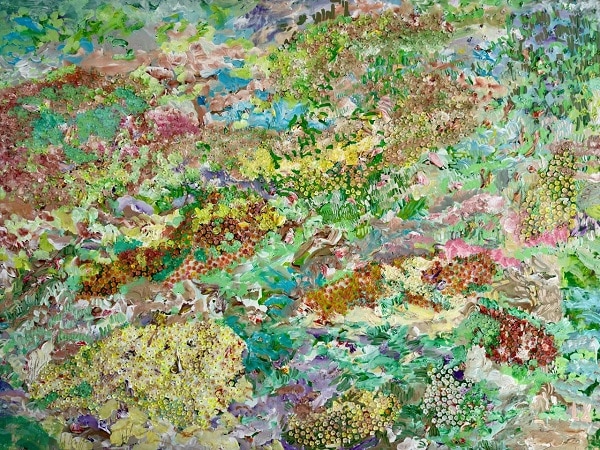
Image: Lana Khayat
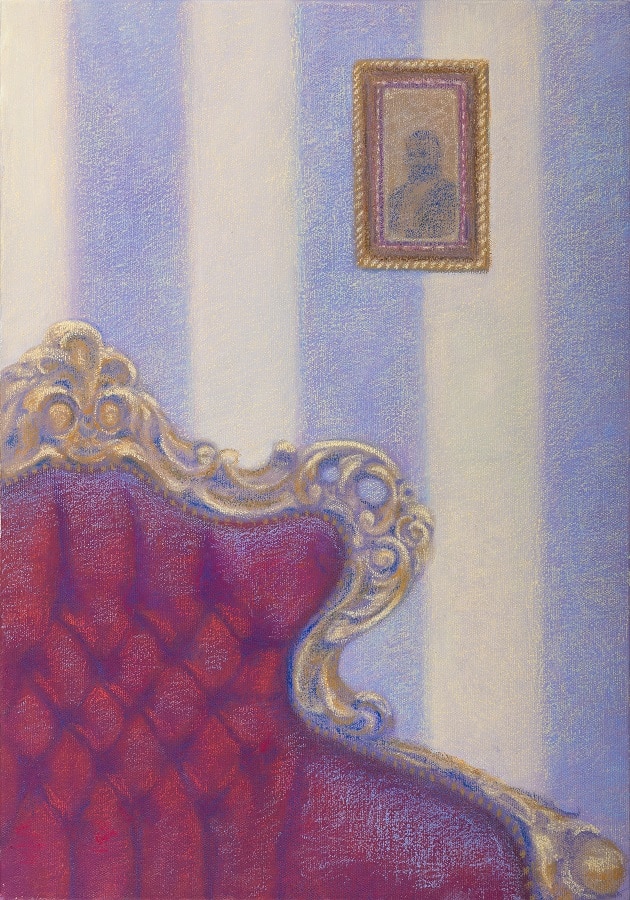
The idea of carrying a country within us also takes shape in Roots Before Petals, which brings contemporary artist Lana Khayat into dialogue with Lebanese artists Etel Adnan and Helen Khal. Their work evokes a sense of home without depicting it literally. Adnan returned to memories of the past in her work, particularly a mountain she could see from her window in California. Khal, meanwhile, drew inspiration from flowers and colour, writing about the distinctive light of Lebanon that she missed while living abroad. Khayat brings this conversation into the present through a series of botanical paintings and three-dimensional flowers that transform the gallery into something resembling a garden filled with fragrant blooms. Rather than simply following the artists who inspired her throughout her career, she builds on their legacy to create work in her own distinctive style.
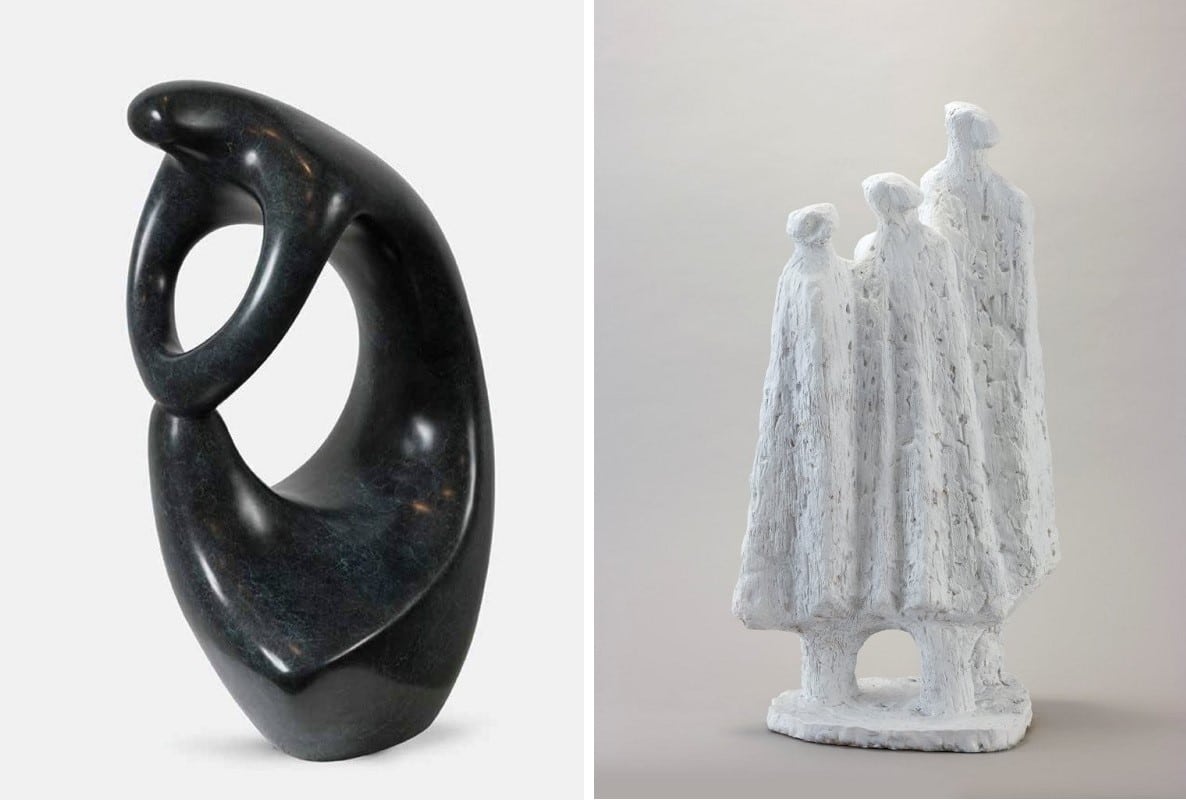
Images: Alfred Basbous
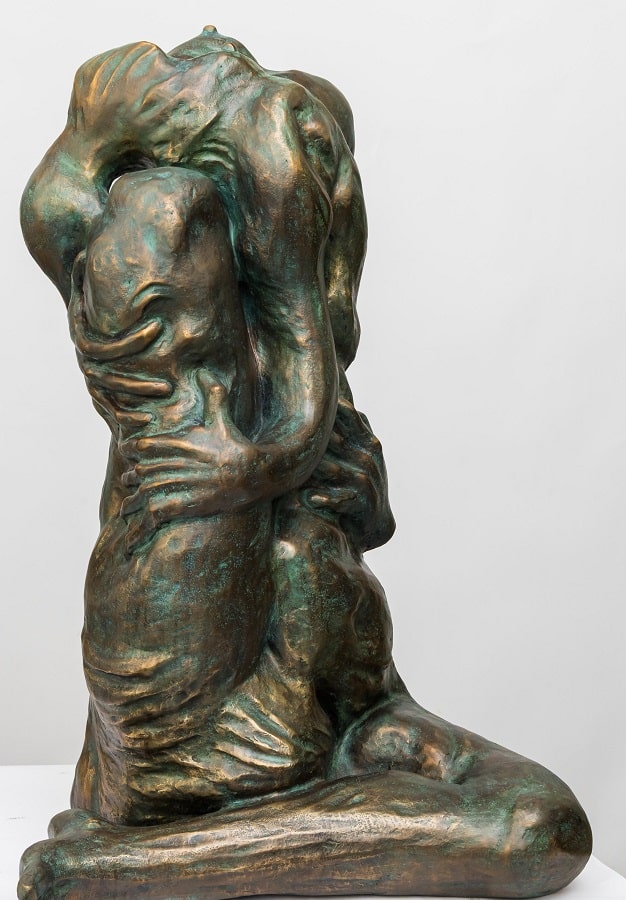
Then there is Alfred Basbous, one of Lebanon’s most renowned sculptors, whose work offers another perspective on the relationship between art and identity. Raised in a family of stone carvers in the Lebanese village of Rachana, Basbous transformed stone, marble, wood and bronze into simplified human forms. Despite the weight of these materials, his sculptures appear remarkably light and full of movement.
What connects these artists is not a single image of Lebanon, but the different ways they understand what it means to belong. For Guiragossian, this search finds expression in people and the bonds between them. For Adnan and Khal, it emerges through nature and light. For Basbous, it is conveyed through the human form and the physical qualities of the materials he works with. Their approaches remind us that identity is rarely fixed or easy to define. It evolves through what we remember, what we lose and what we choose to hold on to. Art gives these experiences a visible form, allowing personal memories to speak to people whose lives may have been entirely different.
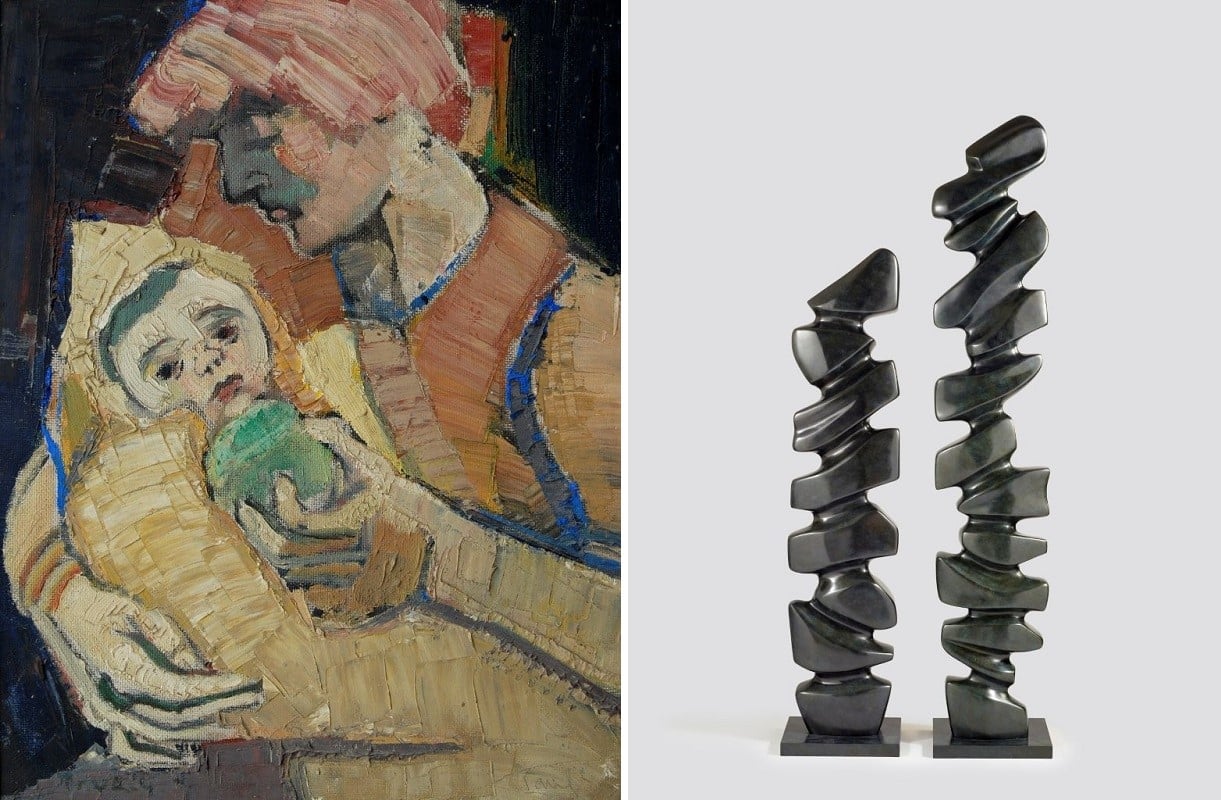
Image1: Paul Guiragossian, Image2: Alfred Basbous
Perhaps this is what makes art so powerful in expressing our sense of belonging and longing for home. The land we belong to cannot be reduced to a familiar view or recognisable landmarks. We can evoke it through the features of a face, a flower, a line or a colour that brings distant memories back to life. Sometimes, these simple details capture our relationship with home more eloquently than any map ever could.