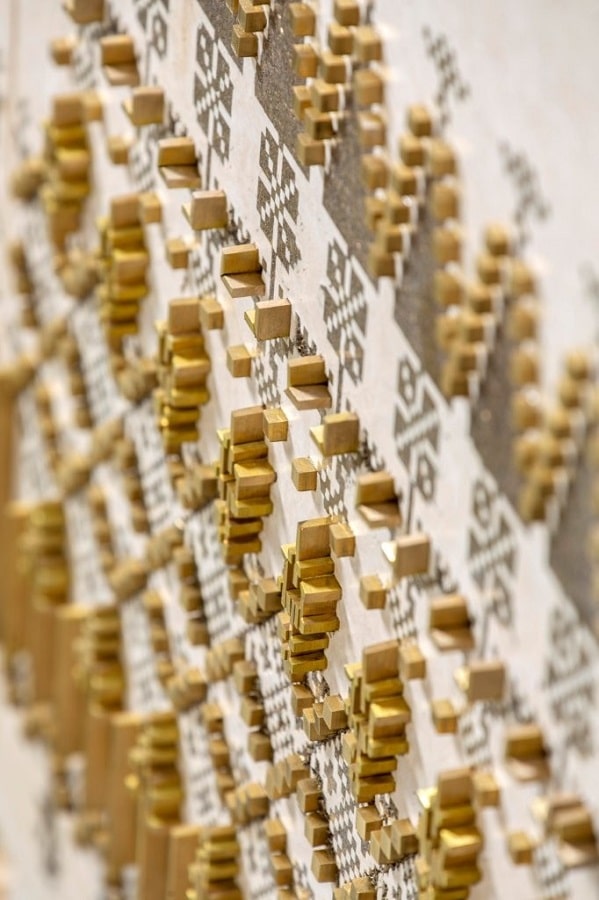
It is difficult to look at designs adorned with traditional Palestinian embroidery and motifs without feeling an immediate connection to them.
Over the years, these embroideries, with their distinctive patterns and colours, have become symbols of Palestine and its women, who drew inspiration from the natural world around them. Their references range from wheat stalks, thyme and sumac plants to olive trees, date palm groves and citrus orchards. In a way, these patterns have come to represent a land that refuses to be forgotten, and a people who understand that holding on to their heritage is what keeps it alive and present in the world’s collective conscience.
It is no surprise, then, that many local brands today are finding ways to keep this heritage alive through traditional designs, furnishings and textiles adorned with colourful embroidered motifs.
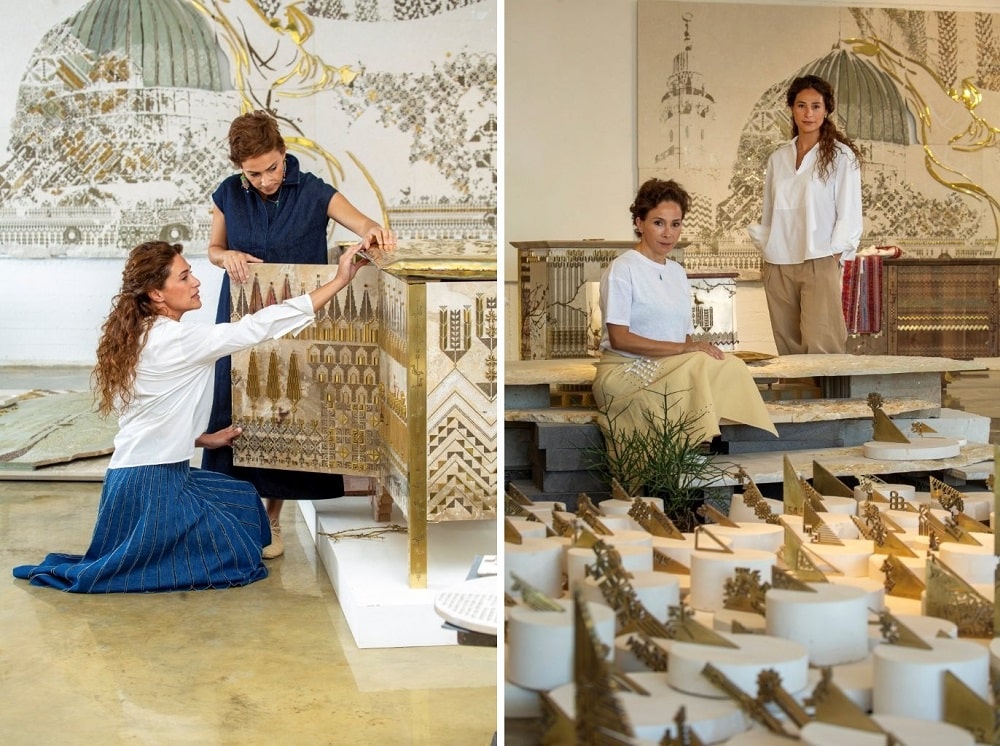
Images: Courtesy of Naqsh Collective
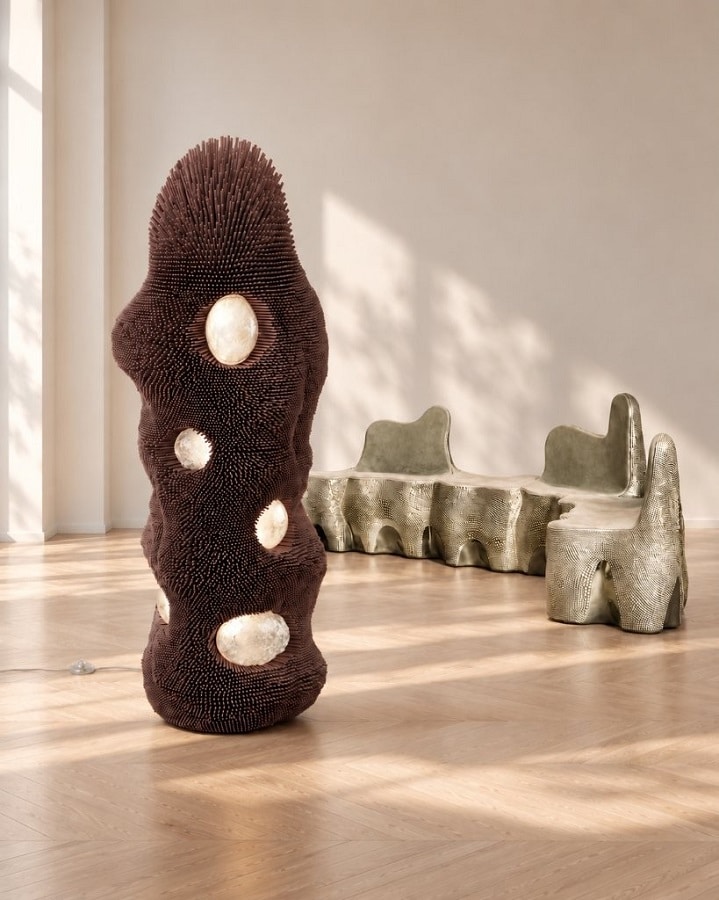
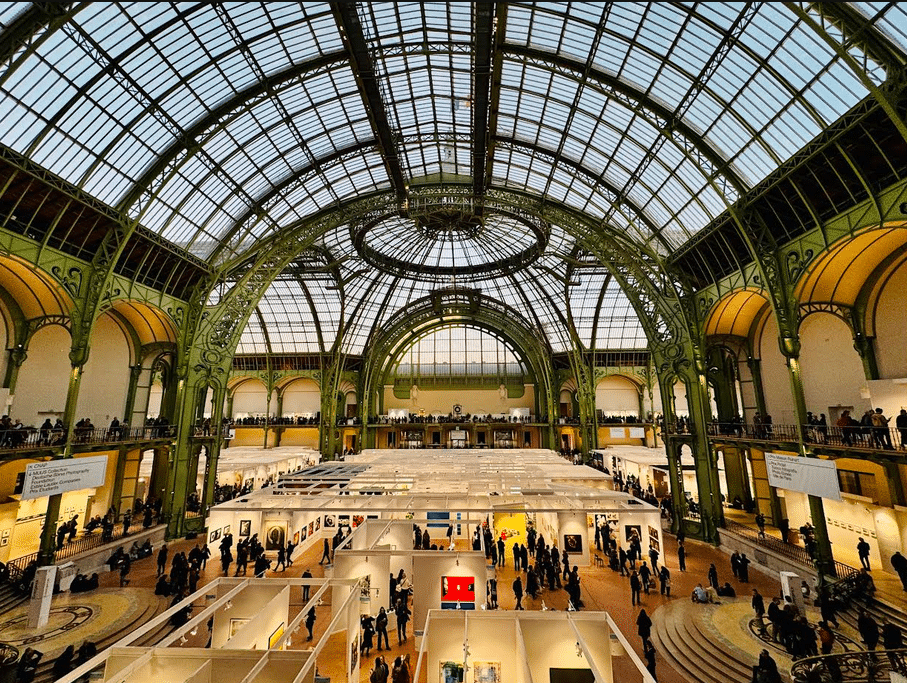
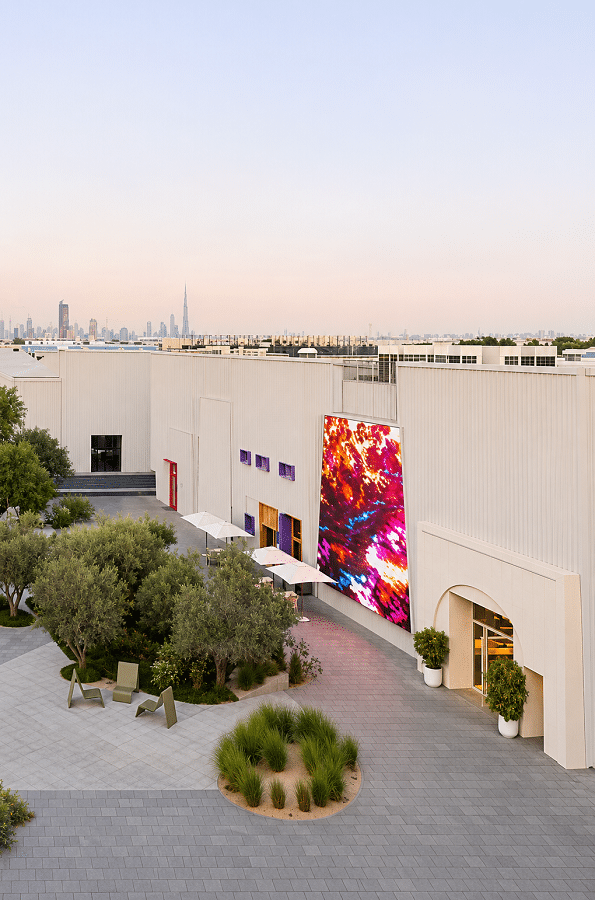
At NOMAD Abu Dhabi, taking place from 18 to 22 November, Naqsh Collective brings these patterns and embroidery traditions to a regional and international audience through a collection of furniture and decorative pieces crafted from wood, stone and brass. As the brand’s founders, Nisreen and Nermeen Abudail, explain, “The material is never simply a surface; it becomes part of the narrative and gives the work the ability to endure, both physically and culturally.”
For the sisters, it is important that every piece remains deeply connected to its roots. Yet they believe that cultural specificity should not restrict a work’s ability to resonate with an international audience. On the contrary, it should be one of its greatest strengths. Rather than making their cultural references more universal by separating them from their origins, they draw on local heritage and reinterpret it through contemporary forms and materials.
In this exclusive interview, the sisters take us into their world of cultural and heritage references, sharing how they revisit Palestinian and Jordanian crafts and traditions through a contemporary design language that remains rooted in the past while opening up new possibilities.
Your work brings together traditional Middle Eastern craftsmanship, architectural references and contemporary minimalism. When you begin developing a new piece, how do you decide which elements of tradition to preserve, reinterpret or leave behind to create something that feels relevant today?
The starting point may be an old photograph we come across, a story preserved in a book documenting our heritage, or simply a scene we notice while driving through Amman. Our studio is situated on the outskirts of the city, overlooking the mountains of Palestine, and the surrounding landscape remains a constant presence in our work. This is much like the women who developed Palestinian embroidery motifs inspired by the flora, fauna and landscapes around them. Inspiration may also emerge from a memory brought to mind by our parents, the nature that surrounds us, or a simple conversation with an older relative.
What matters most is that the work remains deeply connected to its origins while finding a contemporary language through which it can continue to live, resonate and be passed on to future generations.
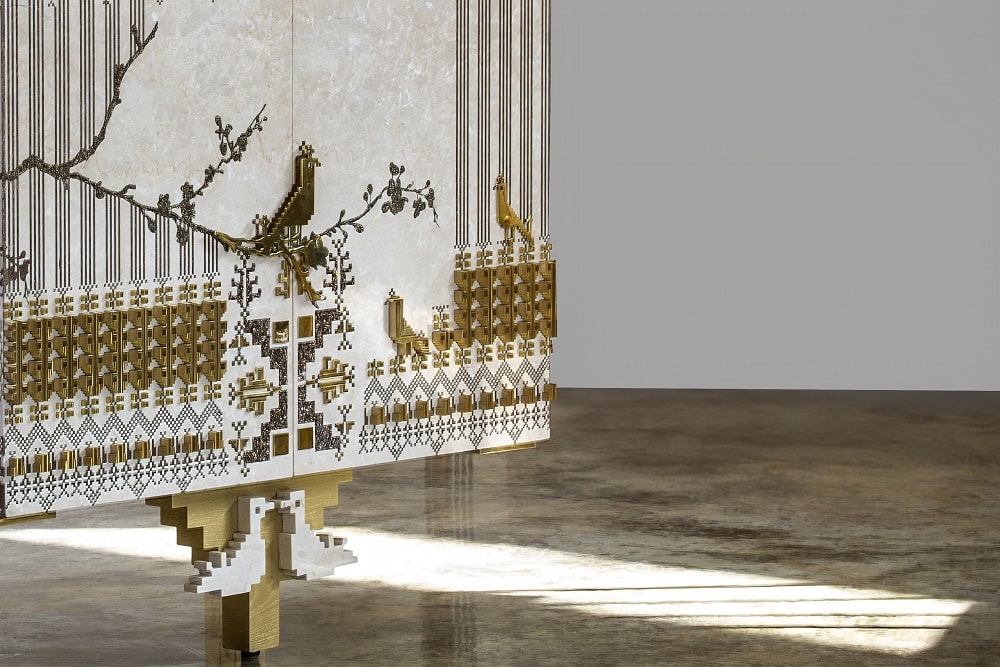
Image: Courtesy of Naqsh Collective
Materials such as marble, walnut wood and brass feature prominently in your design language, alongside references to traditional crafts. What draws you to these materials, and how do their textures, histories and cultural associations influence the way you develop a piece?
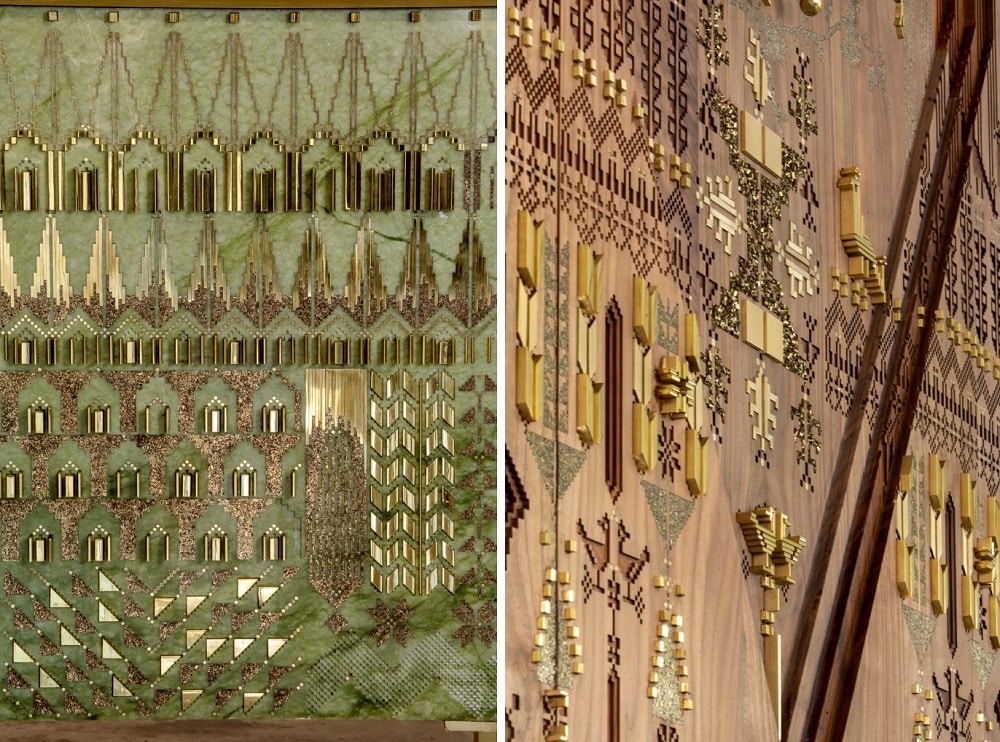
We are drawn to marble, walnut wood and brass because of their permanence and enduring strength. They are noble materials that have accompanied architecture, craftsmanship and everyday life for centuries. They have the ability to age with dignity while preserving the stories they hold and continuing to communicate them to others.
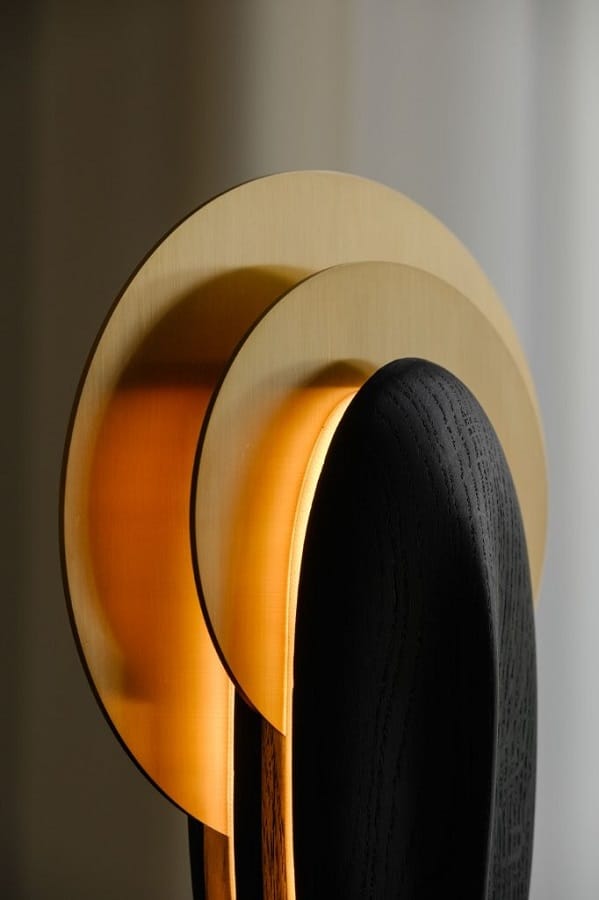
Each material also has its own character. Stone conveys a sense of monumentality and permanence, while walnut wood brings warmth, depth and intimacy. Brass, meanwhile, introduces light and precision, with a surface that evolves over time. We allow these qualities to guide the development of each piece. The material is never simply a surface we work on; it becomes part of the narrative and gives the work the ability to endure, both physically and culturally.
Images: Courtesy of Naqsh Collective
Palestinian embroidery, or Tatreez, carries generations of stories, regional identities and cultural memory. How do you approach incorporating this heritage into contemporary design while preserving its meaning and avoiding the risk of reducing it to a decorative motif?
Palestinian embroidery motifs were traditionally created to adorn garments, but they also carried meanings and symbolism that reflected the identities of the women and communities who made them, conveying information about their lives and backgrounds. In our work, we remove these motifs from their familiar textile context and give them a contemporary surface through which they can continue to live.
We combine our inherited knowledge of these patterns with our backgrounds in architecture and design, using scale, repetition, relief, composition and material transformation to introduce movement into each artwork. Because this visual language is deeply embedded in our cultural memory, almost part of our DNA, we are able to work with it freely and intuitively. We do not treat Tatreez as a decorative element applied to a piece; it is the language through which the work is conceived, structured and expressed.
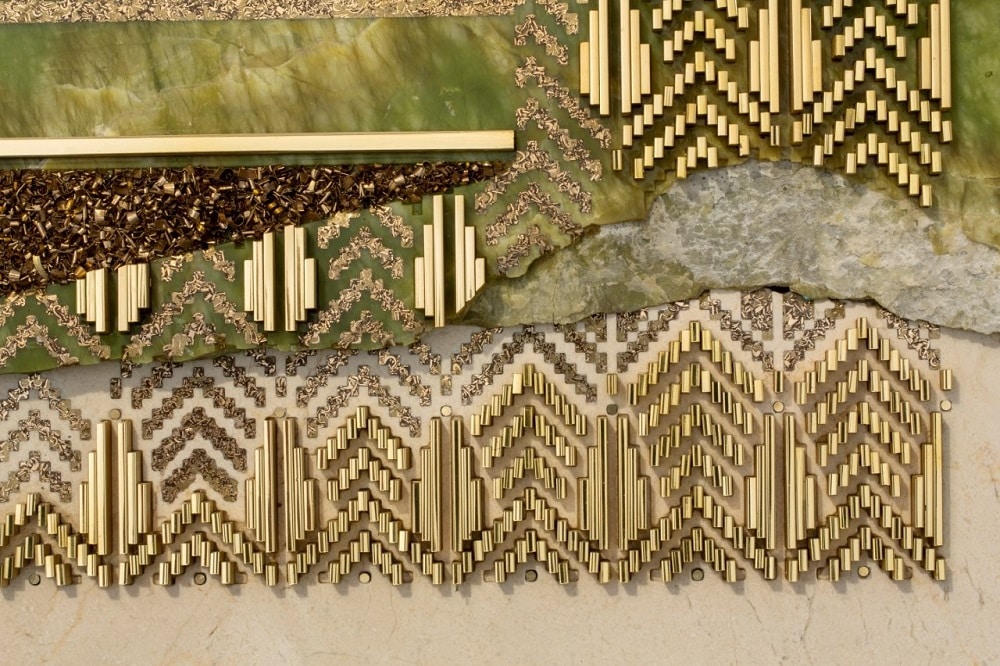
Image: Courtesy of Naqsh Collective
As Jordanian-Palestinian sisters working together, you bring personal and shared cultural experiences to Naqsh Collective. How have your backgrounds shaped your approach to design, and how do your individual perspectives influence the creative decisions you make as a duo?
Nisreen and I, together with our third sister, Shireen, are extremely close, yet we are also very different. This allows us to look at the same subject from distinct perspectives, bringing different worlds and ways of thinking to the table.
Within Naqsh’s creative process, one can often see a meeting between Nisreen’s disciplined architectural approach and my more intuitive, fluid and sometimes deliberately chaotic design language. At times, one language becomes more dominant in a particular artwork, while in other pieces they find a careful balance. We question and challenge one another throughout the process, and occasionally exercise what we jokingly call our “internal veto”. This continuous dialogue allows the work to develop beyond what either of us might have created individually.
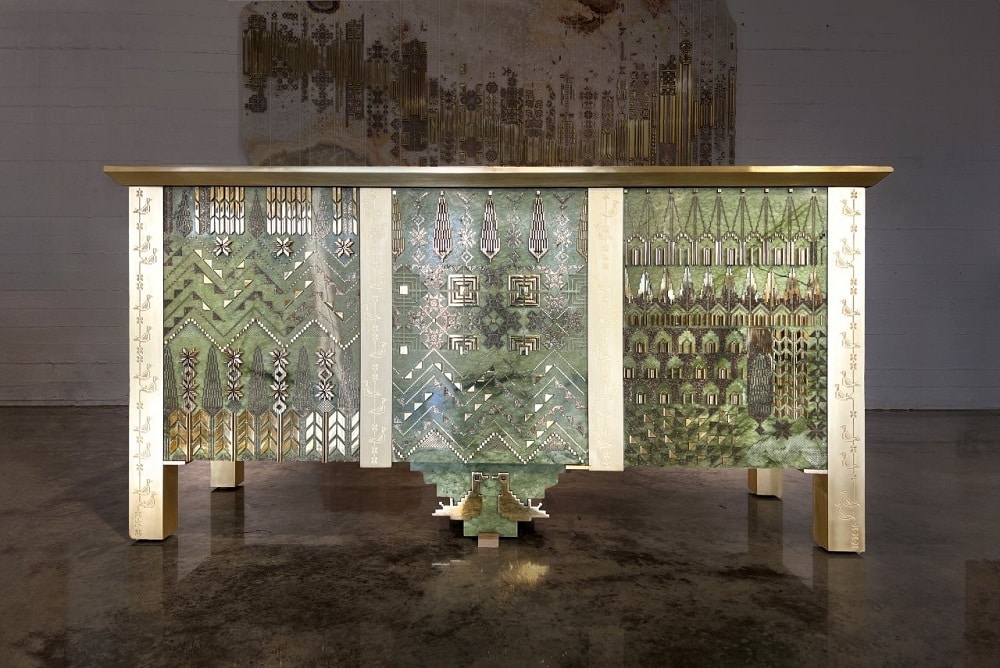
Image: Courtesy of Naqsh Collective
Your work draws on traditions rooted in the Middle East while engaging with an international design audience. How do you balance the specificity of these cultural references with the desire to create pieces that resonate with people from different backgrounds, without diluting their original meaning?
We believe that cultural specificity does not limit a work’s ability to resonate internationally; in fact, it often gives the work its strength. We do not try to make our references more universal by removing them from their origins. Instead, we remain faithful to the stories, motifs and memories from which our work emerges, while expressing them through contemporary forms and materials.
Themes such as memory, home, identity, belonging, displacement and continuity can be understood and felt across cultures. A viewer may not immediately recognise the precise origin of a Tatreez motif, but they can still connect with the work through its materiality, rhythm, scale and emotional presence. The work therefore remains grounded in its Palestinian and Jordanian context while opening up a wider space for dialogue and personal interpretation.
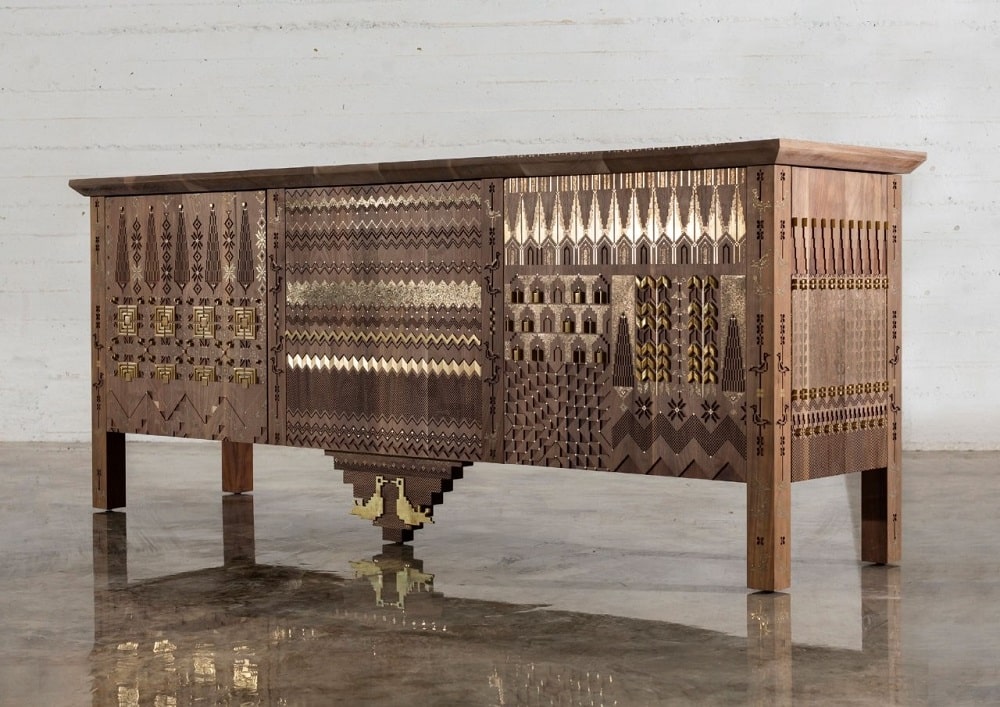
Image: Courtesy of Naqsh Collective
Collectible design increasingly occupies a space between functional objects, artistic expression and cultural storytelling. Where do you see Naqsh Collective within this evolving landscape, and what do you believe makes a design piece meaningful enough to be collected and passed on to future generations?
Our practice has always challenged the boundaries between art and design. Since we began, we have often been asked whether we consider ourselves designers or artists. Our answer is that we are creators, and that alone gives us the freedom to express what we want.
We believe that an everyday or functional object can carry as much artistic, cultural and emotional value as a conventional artwork. For a piece to be meaningful enough to collect and pass on, it must offer more than function or visual beauty. It should embody a story, demonstrate a high level of craftsmanship and material integrity, and create an emotional or intellectual connection with its owner. When these elements come together, the object becomes a witness to its time, carrying its narrative into the future.
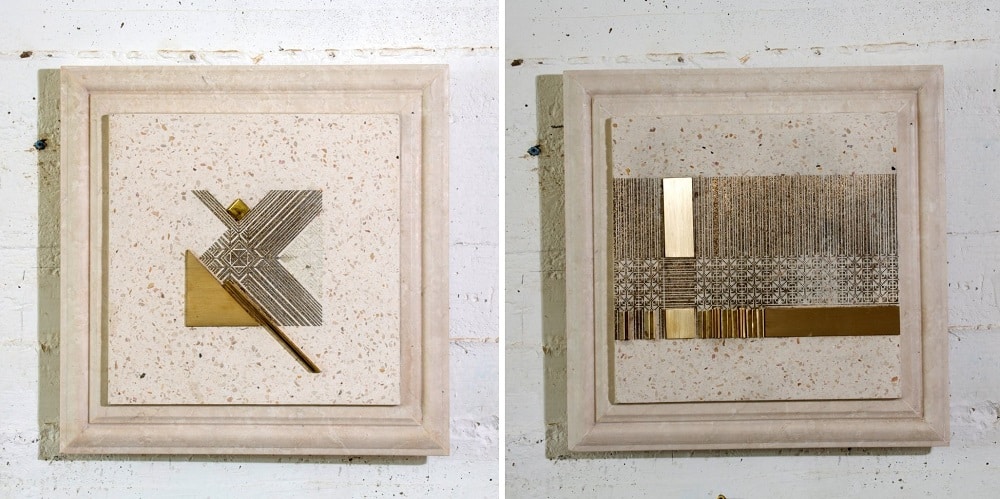
Images: Courtesy of Naqsh Collective
NOMAD brings together contemporary art, collectible design and architecture in settings that encourage unexpected encounters between disciplines. What does presenting your work within this context mean to you, and how does the experience of engaging with collectors and audiences in the UAE influence the way you think about the future of Naqsh Collective?
Naqsh Collective has found an important place through the platforms and opportunities the UAE has provided. Over the years, we have built a community of followers and collectors who understand and appreciate what we do, and their engagement continues to fuel the next stages of our journey.
Presenting our work at NOMAD is a beautiful and significant step for us because its context reflects the space in which our practice naturally exists, between art, design, architecture and cultural storytelling. It also gives us the opportunity to introduce our work to a wider international audience while remaining connected to the region from which it emerged. We are excited by the conversations and unexpected encounters that NOMAD makes possible, and see this participation as an important moment in the continuing evolution of Naqsh Collective.