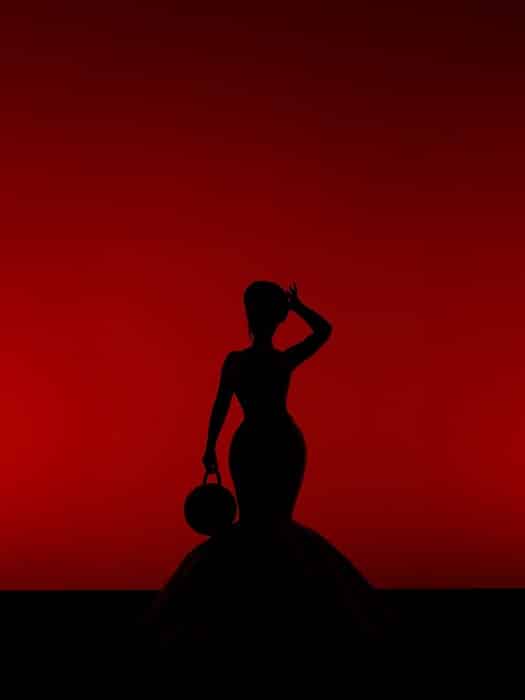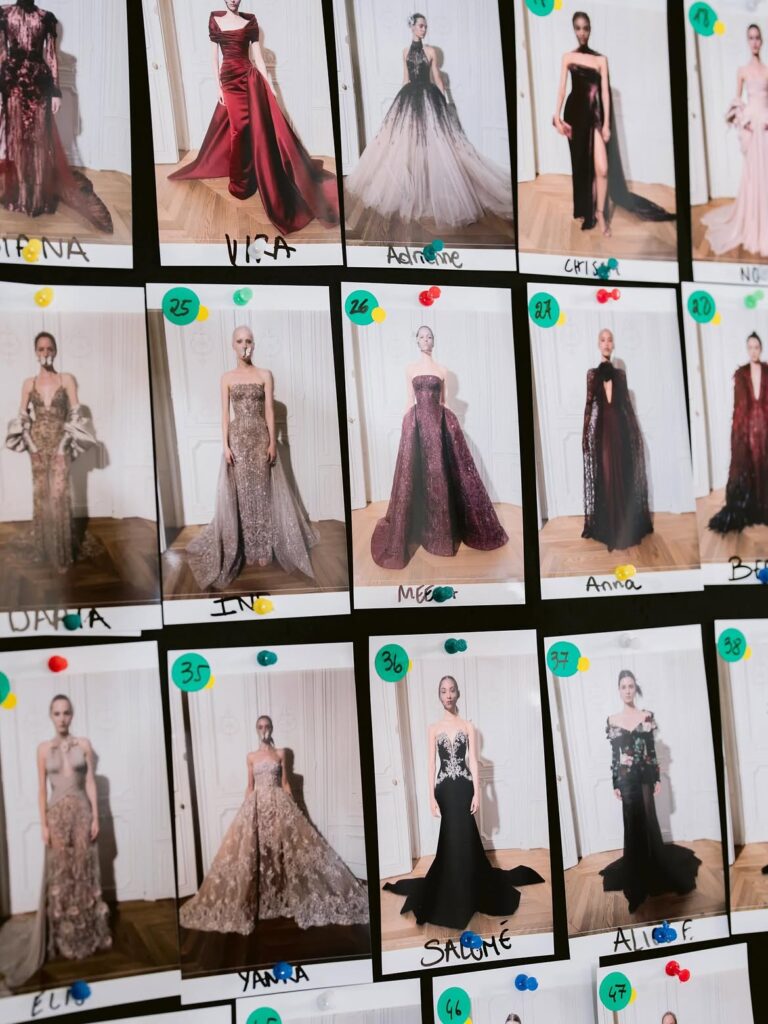
Staged inside the Collège des Bernardins, a thirteenth-century hall built to educate monks before it weathered use as a prison and a fire station and was restored in 2008, even the venue tracks the progression of an archetype. Models walked through clouds of white smoke past stone columns arranged like a forest, matching the “enchanted forests” and “ice castles that never melt” language in the house’s own captions.
Murad describes this season’s woman as someone who endured hardship without surrendering to it: powerful, in command, wise enough to change only what needs changing. The embroidery carried more of the same coded language. Nightjars scattered across black tulle, an ominous shape made companionable. Rose brambles in crystal climbed a jacket like frost overnight. A wrought-iron motif, shaped like a gate left open, came closest to naming outright what the house’s own press materials call the collection’s “protection versus freedom” framing.
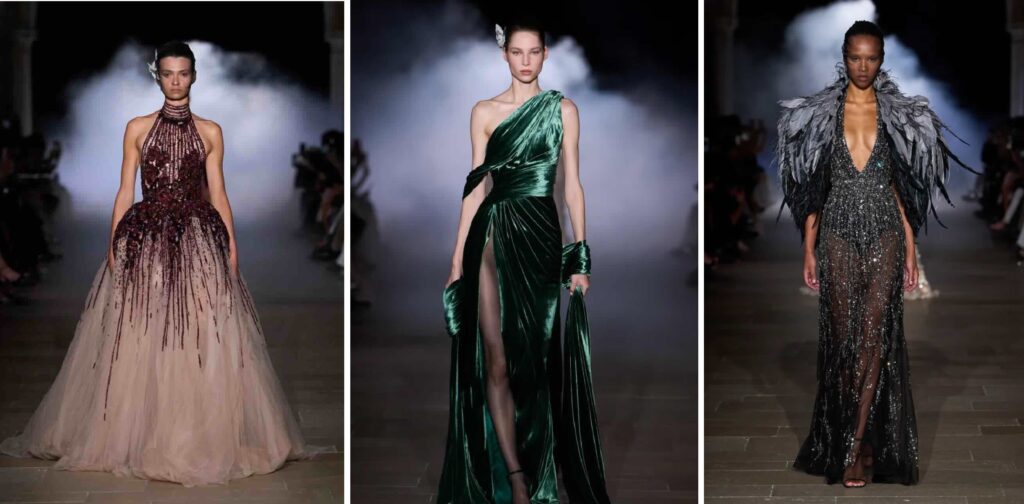
Imgaes: WWD
What is not in the language Murad chose are names of Lebanon, a ceasefire, or a grief. If there’s a political reading here, it’s one brought in from the audience, not one the collection states. But it leaves the audience to wonder what shaped this season’s woman. The motif that stood out most in the show was several models wearing small butterfly ornaments over their mouths, the most direct visual argument for a woman shaped by constraint, and the moment where the temptation to read the collection politically is strongest. A butterfly, not a hand, not a chain: something that could fly and chooses, instead, to stay closed.
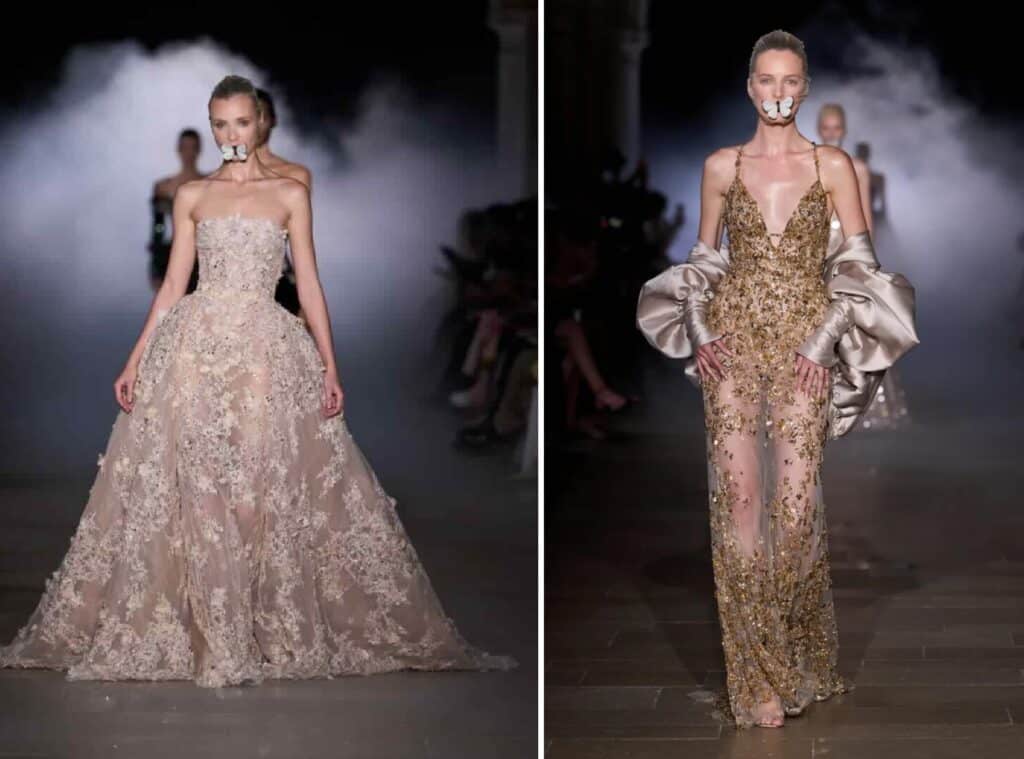
Images: WWD
Murad was born in Ras Baalbek, in eastern Lebanon, and has spent three decades between Beirut and Paris. Against the backdrop of Lebanon’s history, it’s hard not to notice how each season showcases an archetype that has evolved alongside it.
Fall 2024, “Lumineuses Cicatrices,”, dressed its women in crystal sutures, embroidered bullet impacts, pearls standing in for tears: a woman already carrying a wound, but one rendered luminous, healed-over, made to shine rather than hide.
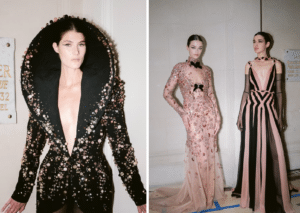
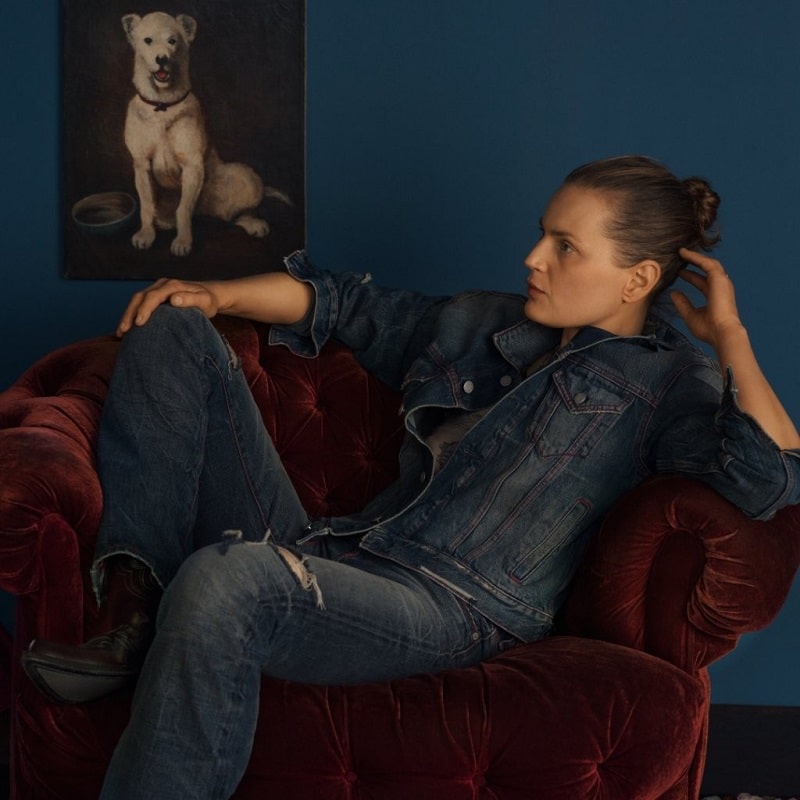
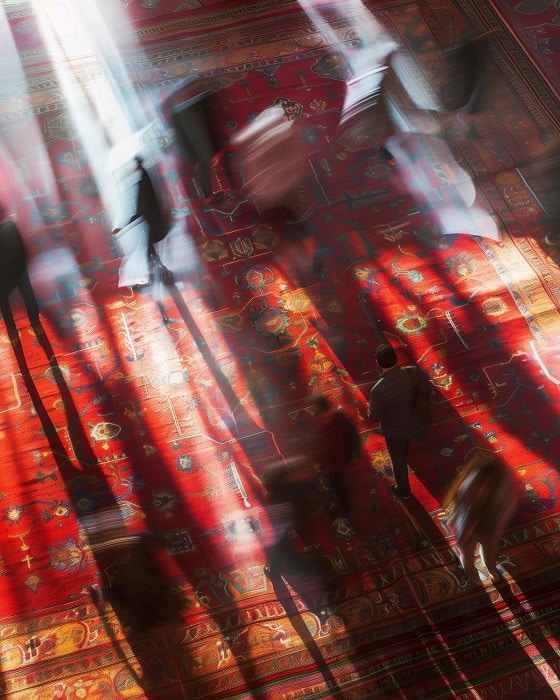
Image 1: ZuhairMurad Instagram, Image 2: AudreyParisPhoto Instagram
Fall 2025, “A Sheer Desire” moved her forward: a heroine reclaiming what had been taken from her, dressed in sheer georgette and chiffon layered over sculpted, ceremonial-armor tailoring. The transparency in the title wasn’t exposure. It was a woman choosing to be seen on her own terms.
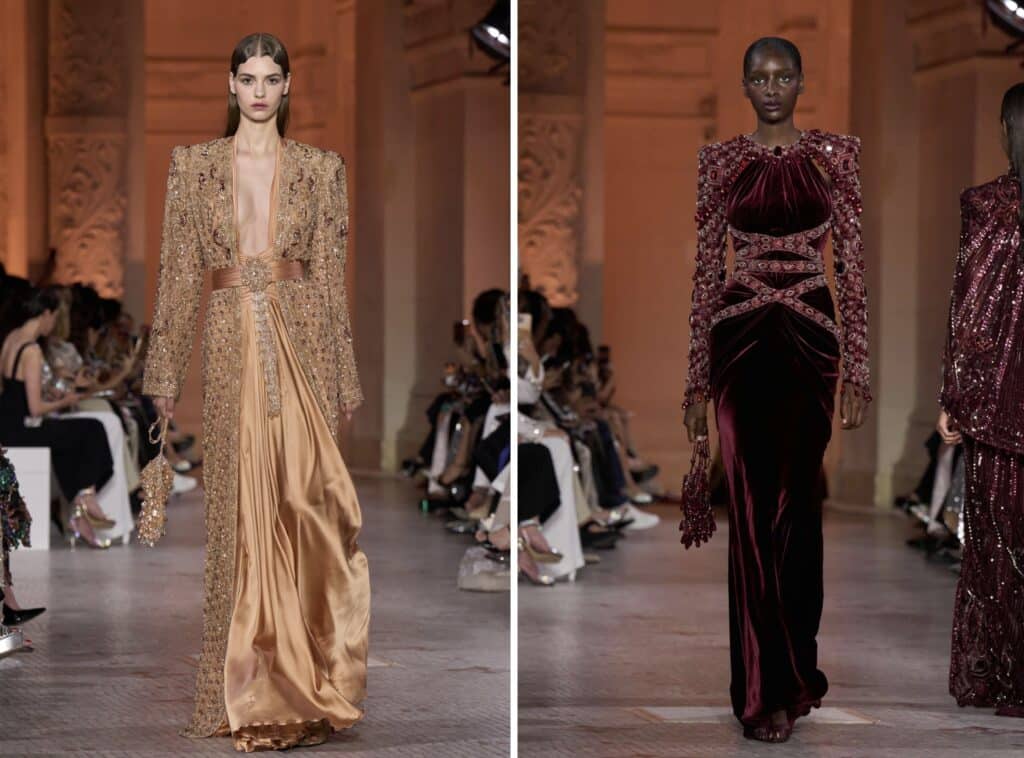
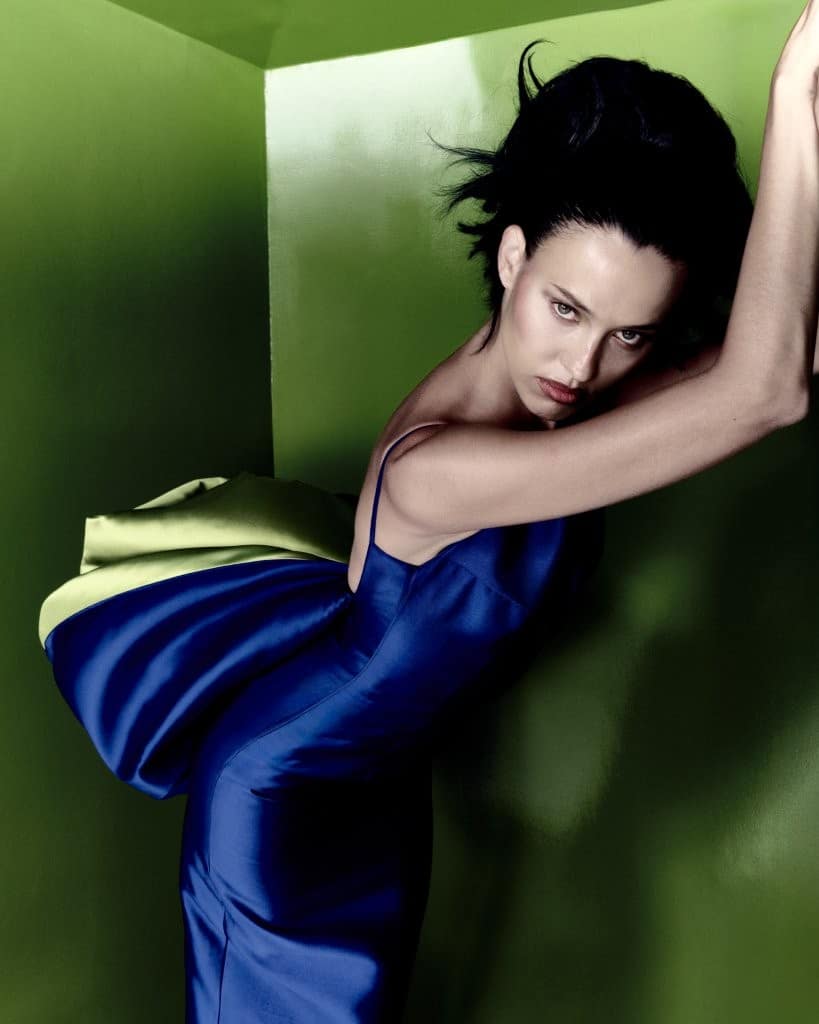
Images: Zuhair Murad Website
Spring 2026, “Chiaroscuro” cast her again as a woman “stepping from shadow into light,” her sculpted corsetry and full skirts rendered in a palette that moved from deep shadow into pale pastel, a technique doing the work a title usually does.
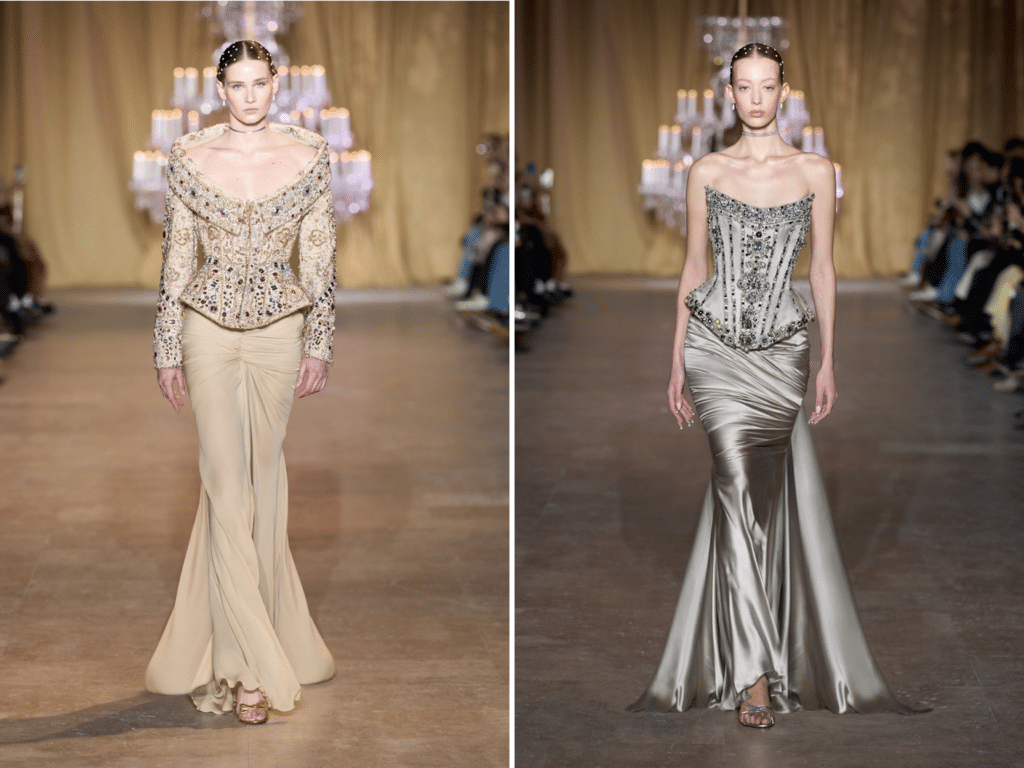
Images: Zuhair Murad Website
Love and Dominion picks up where that left off. It doesn’t choose to discuss a political agenda, but it doesn’t stay silent, either. Dominion, here, isn’t the absence of a wound. It’s the choice of what to do with it.