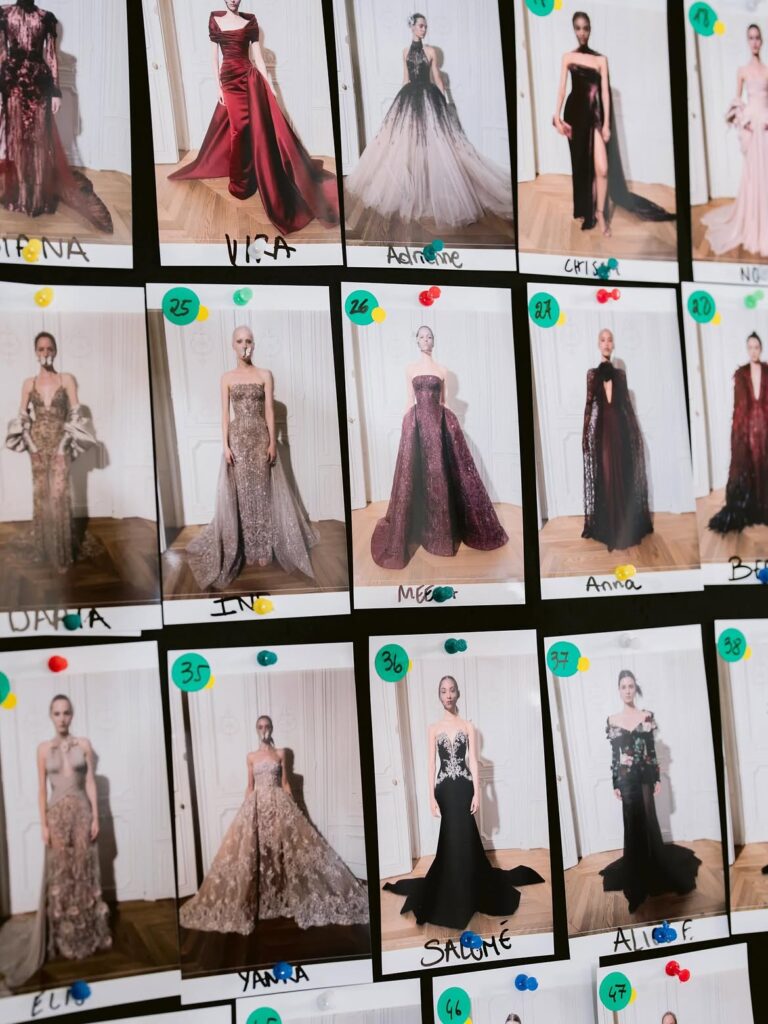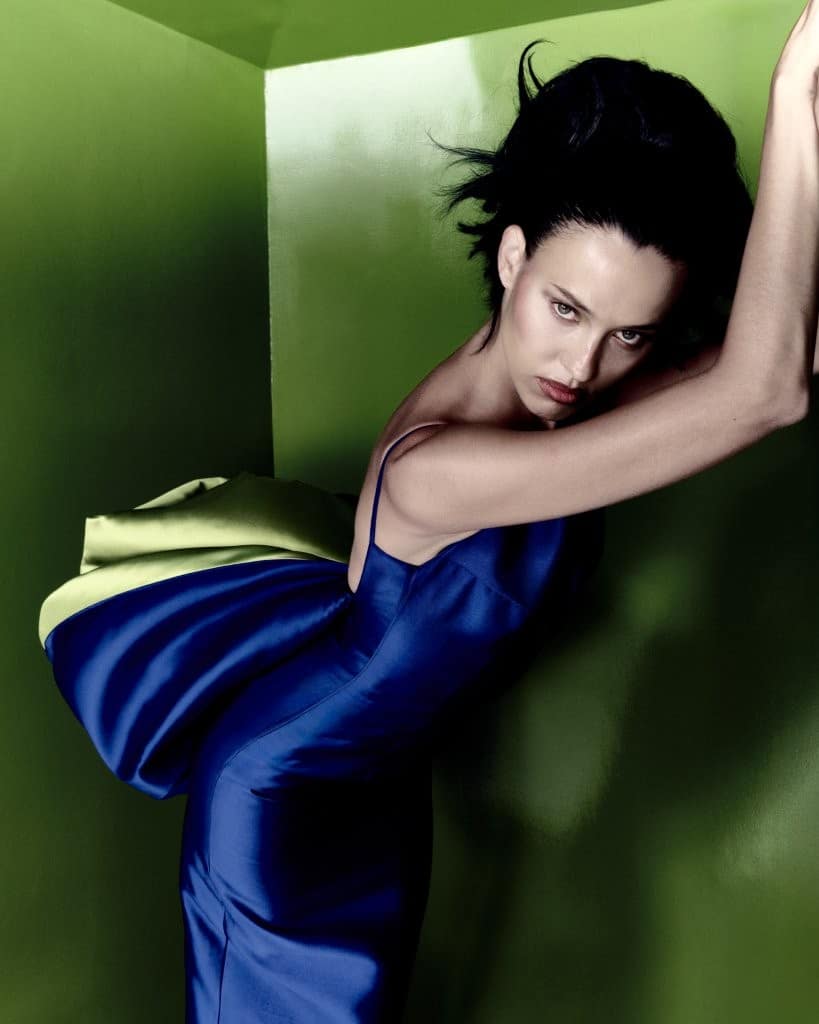
Magda Butrym’s entrance into New York deserves all the flowers. It’s a telling sign when attendees show up already dressed in a designer’s house codes. Arriving in their own versions of structured suiting and crochet craftsmanship, guests stood shoulder to shoulder in the elevator up to Magda Butrym’s SS27 New York Fashion Week show inside the Starrett-Lehigh Building. “Natalia,” the label’s latest collection, comes one week after the label’s first U.S. flagship retail space opened in the heart of SoHo, NYC. The opening is a well-anticipated expansion ten years after the designer founded her label in Warsaw. In that decade, Butrym has dressed Lady Gaga in cream polka-dot florals, put Hailey Bieber in capris, and, most recently, dressed Emily Blunt in a handmade crochet dress for her Hollywood Walk of Fame ceremony, all moments that place the label further into the U.S. cultural landscape.
The front row was packed accordingly: Demi Moore, Kelly Rutherford, Anna Van Patten, and Nara Smith all took their seats for the SS27 debut. Moore wore Butrym head to toe, a sheer crochet halter top with a high turtleneck collar and open back, layered under an oversized white blazer, paired with an ankle-length column skirt and the label’s crochet slingback pumps, a glimpse into the label’s varied shoe collection that the runway itself didn’t deliver.
Beyond the guest list, the event doubled as a look into the Polish creative landscape and a grand opening for the label’s SoHo flagship boutique.
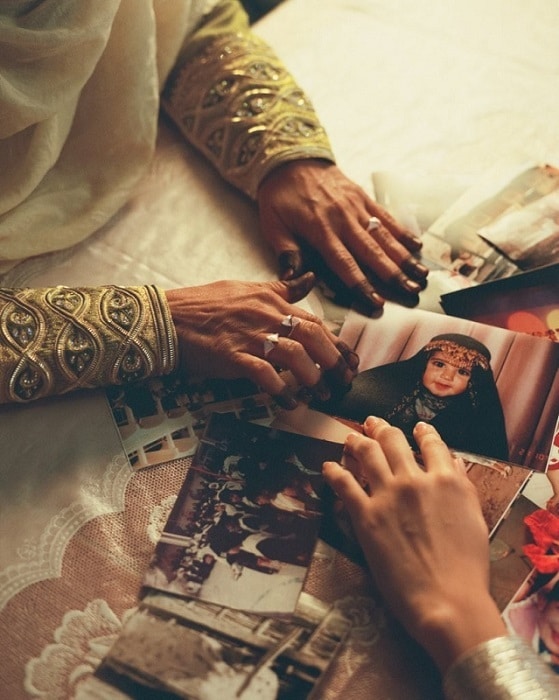
The collection takes its name from Natalia LL, the Polish conceptual artist who spent her career pressing on the edges of femininity. Her most-known work, “Consumer Art,” from 1972 to 1975, is a set of close-up photographs and films of women suggestively eating bananas and sausages, a feminist confrontation with the male gaze. In 1977, the Kosciuszko Foundation invited LL to New York, where she placed herself inside the city’s feminist art scene, showing up at demonstrations holding a framed print from her “Post-consumer Art” series: women photographed mid-bite, staring back at the camera rather than performing for it. Butrym’s own arrival in New York, almost five decades later, seems to amplify that same dialogue.
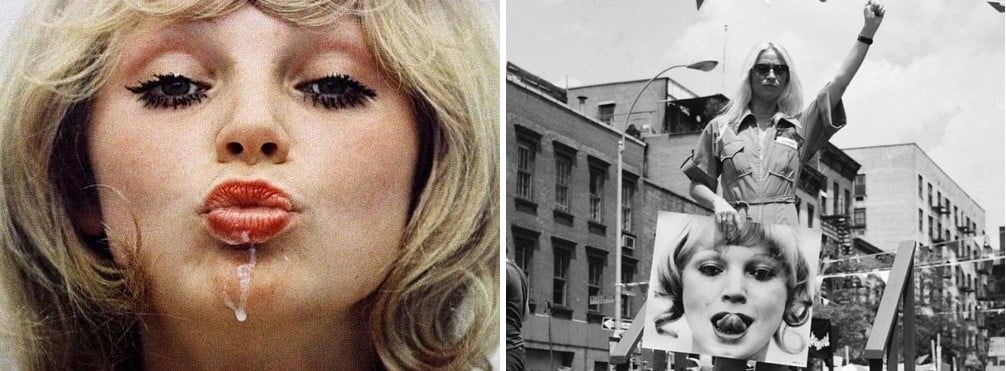
Images: nataliallarchive Insstagram
Waiting at every seat was a card that read:
“The gaze is always female.
The touch is always a woman’s.
The image belongs to her.”
—Magda
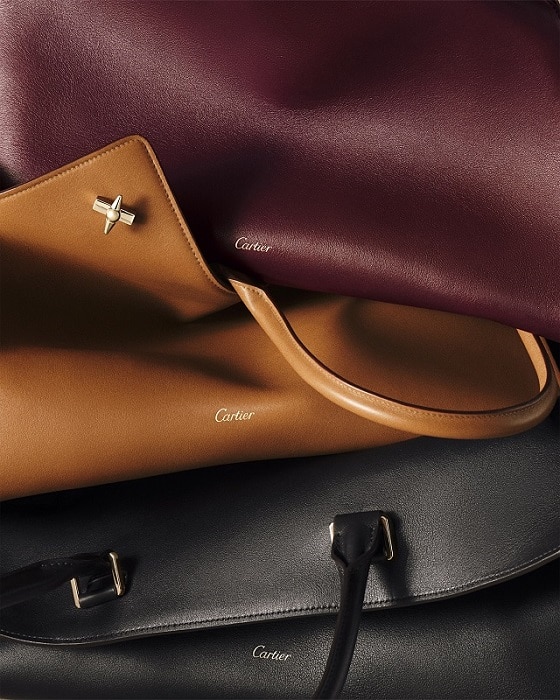
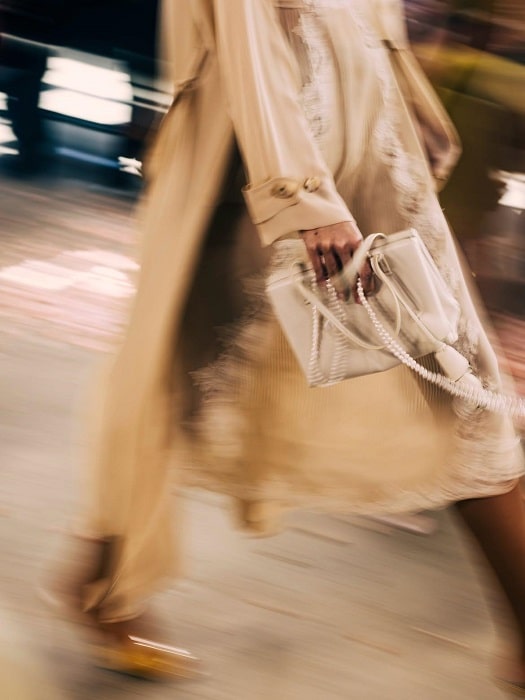
“Natalia” resembles a woman, a reflection of how women dressed at home, and finds this intimacy in the smallest choices. Pearls circled necks and wrists, wrapped through models’ hands, looped in and out of necklines, worn close rather than displayed. The Barbara bag anchored every look that carried one, a single object returned to again and again, deepening its belonging. Material contradictions, from heavy outerwear to delicate fabrics, sat at the crossroads of effortless seduction meeting domestic glamour.
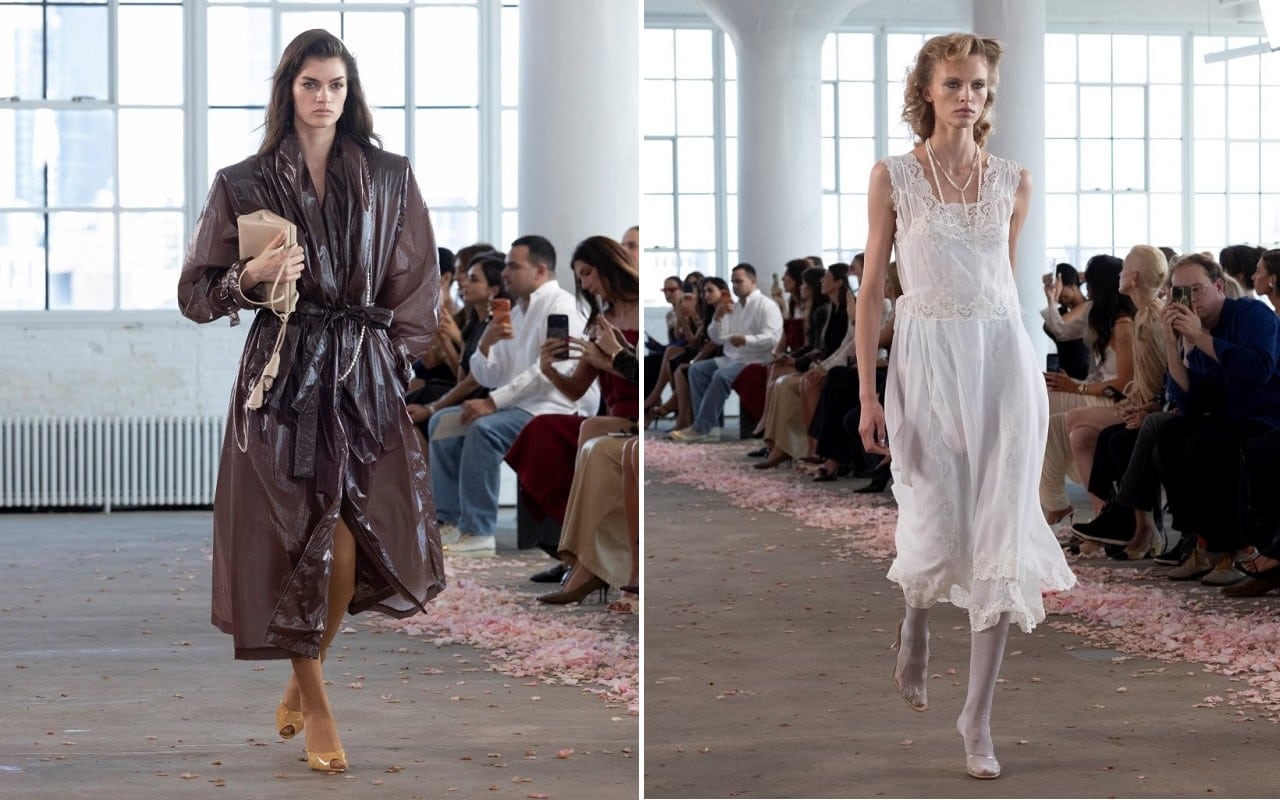
Images: Courtesy of Magda Butrym
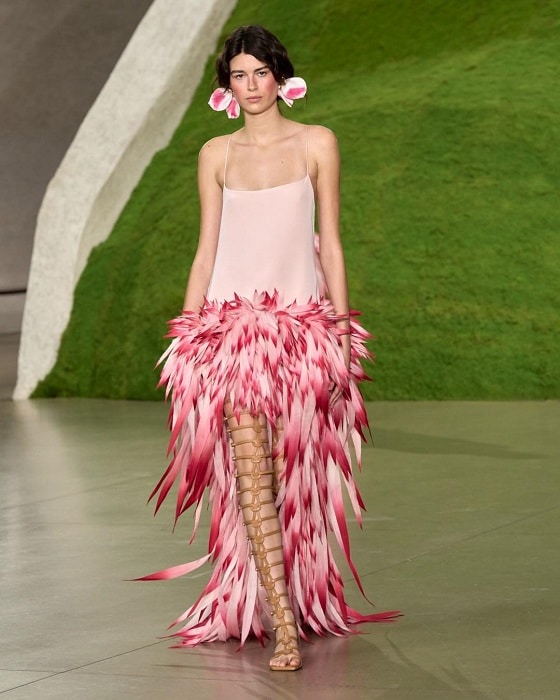
A few looks were worth lingering on for their Polish cultural references. The floral prints were inspired by Spycimierz, a small Polish village known for the colorful, enchanting tradition of laying flower carpets each year for the Corpus Christi procession, a public walk of faith. Their forms shaped the petal-filled details and the rose-lined runway itself, as models embodying “Natalia” power-walked down the runway, each step grinding the scattered flowers underfoot in her own wake.
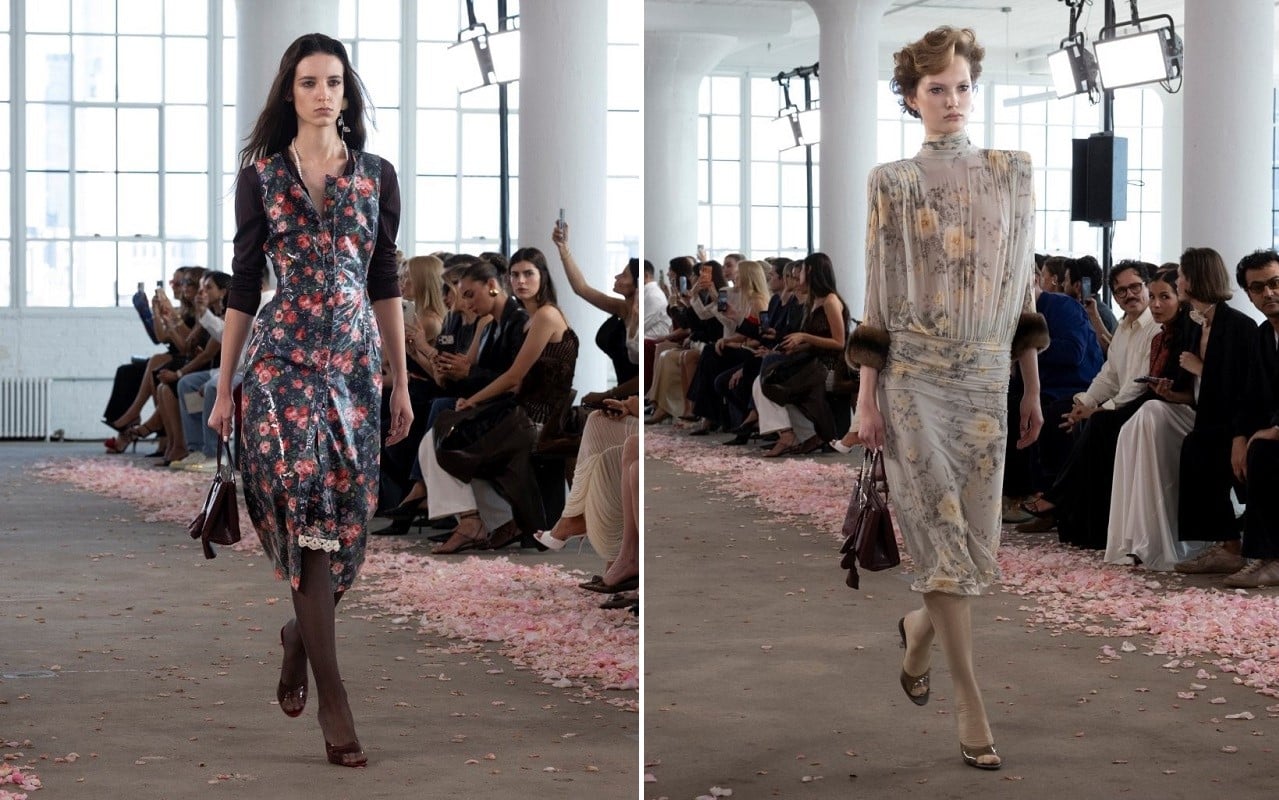
Images: Courtesy of Magda Butrym
The new flagship boutique, with crochet-lined door handles and a television playing ‘Consumer Art’ on loop, extends the runway. Natalia still breathes at the space on Mercer Street, inviting anyone in to see her up close and take shape within the formidable garments depicted on the runway. It’s also a chance to browse what the runway didn’t show: a larger selection of the label’s accessories and footwear.
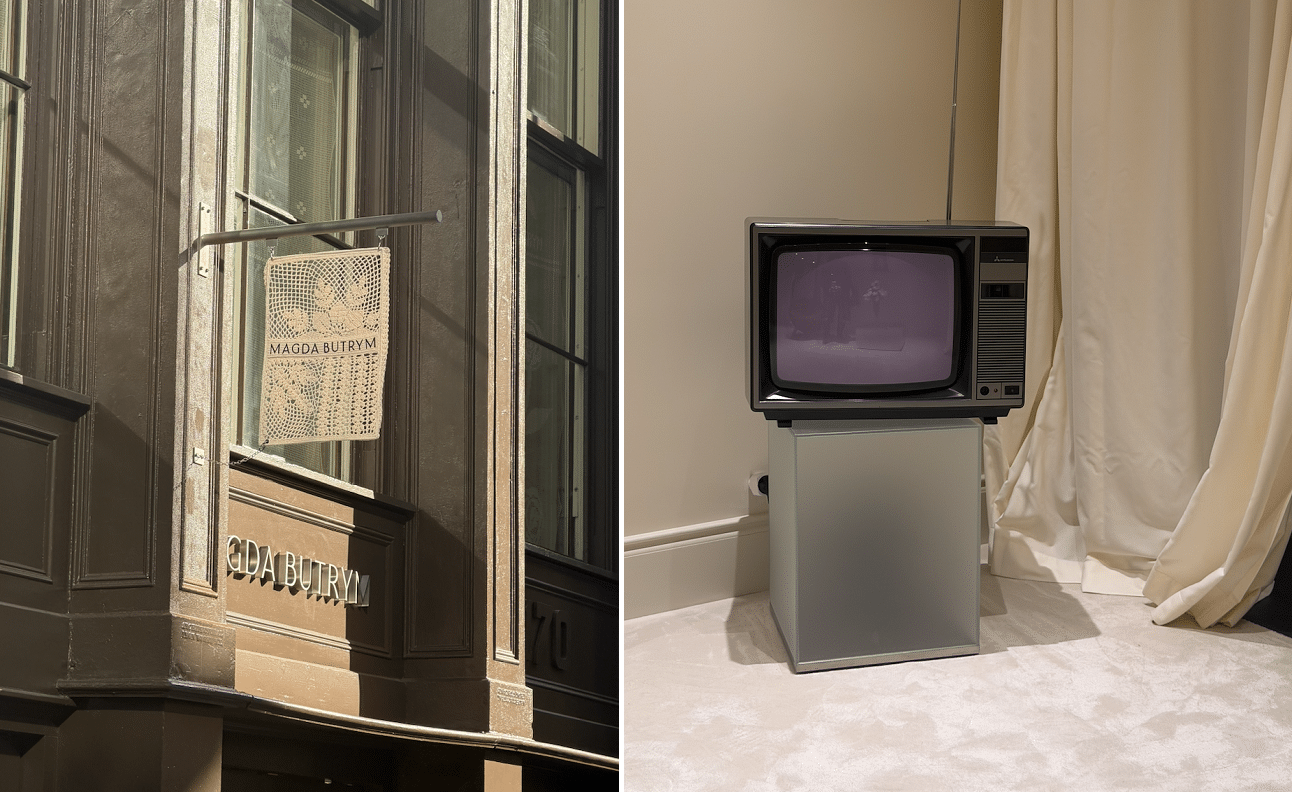
Images: Magda Butrym Flagship store in NYC